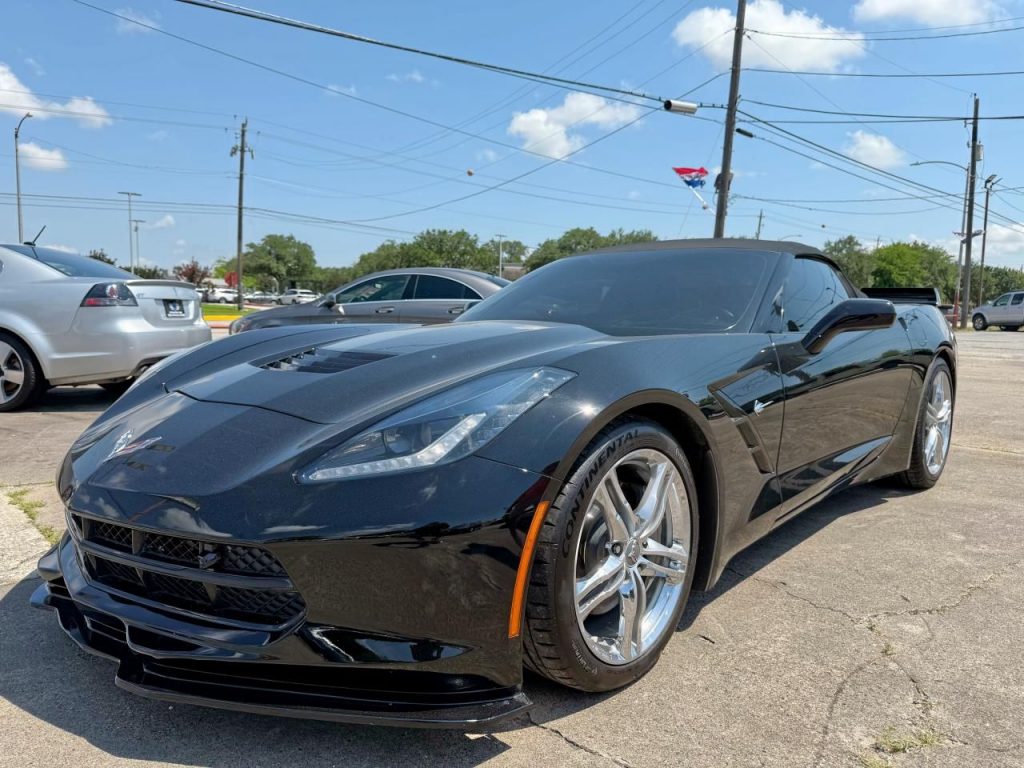


Buying through online auctions lives or dies by the photos. The right 10–15 images can reveal thousands of dollars in hidden risk—or show you a gem others overlook. This guide teaches you how to “read” listing photos like a forensic inspector, spot deal-breakers before you bid, and use SalvageReseller tools to verify what you see.
Why photos matter more than you think
In fast-moving auctions, you won’t always see the car in person. Photos become your first (and sometimes only) inspection layer. Pair what you spot with a VIN report, past Price History results, and—when in doubt—a 3rd-party lot inspection to protect your budget and timeline. SalvageReseller.com
1) Decode the listing anatomy (so you know where to zoom first)
Before zooming into pixels, scan the basics that shape your risk:
-
Title status & documents (salvage, non-repairable, clean, prior theft, flood branding).
-
Primary/secondary damage and run & drive status.
-
Sale type (auction vs. Buy It Now) and yard location for transport math.
-
Photo set quality (angles covered, lighting, duplicates).
Experienced buyers combine these with a quick fee and transport estimate to set a hard ceiling before bidding.SalvageReseller.com
2) Flood red flags: the 11 tells that photos give away
Flood cars can be profitable—if you catch the level and exposure early. Look for:
-
Waterline on door cards, seat bases, or trunk liners (a horizontal dirt/tide mark).
-
Silt/sand in carpet weave, seat rails, trunk spare-wheel well, or cup holders.
-
Condensation inside headlamps/taillamps after sunny photos (fogging).
-
Surface rust on seat frames, pedal hinges, or unpainted bolts.
-
Green/corrosion bloom on battery terminals, ground straps, or under-hood fuses.
-
Mildew patterns on belts, fabric, or headliner.
-
New carpets/floor mats with old pedals and worn seat bolsters (mismatch = cleanup).
-
Dirt halo under trunk trim—lifted and photographed?
-
Foam underlay peeking near sill plates (stained or water-logged).
-
Moisture under spare tire—ask for a shot of the spare well.
-
Multiple “just detailed” cues (wet shine, steam haze) with otherwise dusty engine bay.
When any two flood indicators stack, treat the car as high-risk unless a paid inspection clears it. SalvageReseller lists independent inspectors by yard—use them. SalvageReseller.com
3) Frame/structure clues without a lift
Even static photos can whisper “frame work required”:
-
Panel gaps that widen toward one end (hood/bumper/door taper).
-
Buckled pinch welds and kinked rails visible through lower bumper grilles.
-
Swayed core support (radiator sits “clocked,” headlamp tabs mis-aligned).
-
Wheel setback (one wheel tucked deeper in the arch; compare left vs. right).
-
Suspension camber extremes with no matching body hit = likely bent parts.
-
Undertray missing plus fresh scrapes under bumper = subframe kiss.
If you suspect structure, price parts and alignment time, then check the Price History of similar lots to see what repaired examples bring. SalvageReseller.com
4) Airbag & safety systems: what the camera can’t hide
-
Deployed airbags (obvious), but also look for:
-
New dash cap texture mismatch, fresh stitching on seat airbags, or off-shade A-pillars.
-
Seatbelt pretensioner lockup (belts won’t retract fully, webbing frayed at latch).
-
SRS covers mis-seated on wheel or pillars.
-
-
Windshield cracks near mirror base can imply sensor/camera replacement (ADAS), raising recalibration costs.
A single driver/curtain deployment can multiply costs; plan parts, color-match, and re-calibration in your ceiling price.
5) Engine bay & fluids in photos
Ask for (or zoom into) shots that show:
-
Hood latch area (buckles, shifted latch = front impact energy).
-
Strut towers (ripples in paint seam sealer, cracked epoxy).
-
Reservoir clarity: chocolate milk coolant or milky oil cap = contamination.
-
Missing plastics (airboxes, engine covers) = “parts-swapped” donor clues.
If fluids look wrong, order a VIN report and consider an on-site inspection before bidding. SalvageReseller.com
6) Interior truth-telling (beyond “clean”)
-
Pedal rubber vs. odometer wear parity.
-
Steering wheel shine vs. claimed miles.
-
Moisture map under rear seats and cargo floor (flood indicator #12).
-
Aftermarket wiring at kick panels (amplifiers/trackers) = hidden battery drains.
-
Smell proxies: air fresheners taped in strange places often hide mildew.
7) Tire & brake story in two photos
-
Uneven inner-edge wear = alignment/frame concerns.
-
Mismatched tire brands/ages = cost to normalize + potential AWD risk.
-
Rotor rust ring pattern: thick rust lip after “runs and drives” claim? Re-check status.
8) Photo-set quality: a hidden negotiation lever
Thin or low-effort photo sets suppress bidder confidence. If you see:
-
Missing undercarriage, trunk well, or close-ups of the hit;
-
Night photos or wet cars only;
—ask the yard or your inspector for specific extra frames (spare well, seat rails, under-hood fuse box). That small effort can turn a pass into a purchase. SalvageReseller.com
9) Verify what you see (don’t just trust your eyes)
Layer your photo read with objective data:
-
VIN report (title brands, prior loss type, odometer).
-
SalvageReseller Price History (past sale comps & trends to avoid overbidding).
-
Independent lot inspection (photos + mechanical checks)—find providers by yard right from SalvageReseller’s site. SalvageReseller.com
10) Your Pre-Bid Photo Forensics Checklist (copy/paste)
Exterior: waterline, panel gap taper, headlamp fogging, bumper & core support alignment, kinked crash rails, wheel setback, undertray missing
Interior: seat rail rust, carpet silt, trunk well stains, belt pretensioners, dash/airbag cover mismatch, aftermarket wiring
Engine bay: strut tower ripples, latch alignment, coolant/oil contamination, corrosion on grounds/fuses
Tires/Brakes: uneven wear, mismatched sets, rotor rust lip vs. “run & drive”
Photo set: missing undercarriage/trunk/close-ups? request more
Verify: VIN report, Price History comps, independent inspection, transport quote
Bonus: When a “bad” photo set creates opportunity
Many bidders skip listings with mediocre photos. If your checklist only raises one moderate concern (not flood or frame), get an inspection, budget conservatively, and bid. Thin photo sets often trade at a discount.
Next steps with SalvageReseller
-
Shortlist vehicles and run Price History to set your ceiling. SalvageReseller.com
-
If red flags stack up, book a salvage inspection through the directory linked from SalvageReseller. SalvageReseller.com
-
Use our transportation partners for post-win quotes so you aren’t surprised by delivery costs. SalvageReseller.com
FAQ
Is relying on photos enough?
Not for flood or structure risk. Use photos to triage, then confirm with VIN history, comps, and (ideally) an on-site inspection. SalvageReseller.com
Can I ask for more photos?
Yes—request specific angles (spare-well, seat rails, under-hood fuse box). If the auction can’t provide them, consider a paid inspection. SalvageReseller.com
How do I avoid overpaying if pictures look great?
Anchor bids to Price History comps and total landed cost (fees + transport + repairs). If two flood or one structural red flag appears, lower your ceiling or pass. SalvageReseller.com