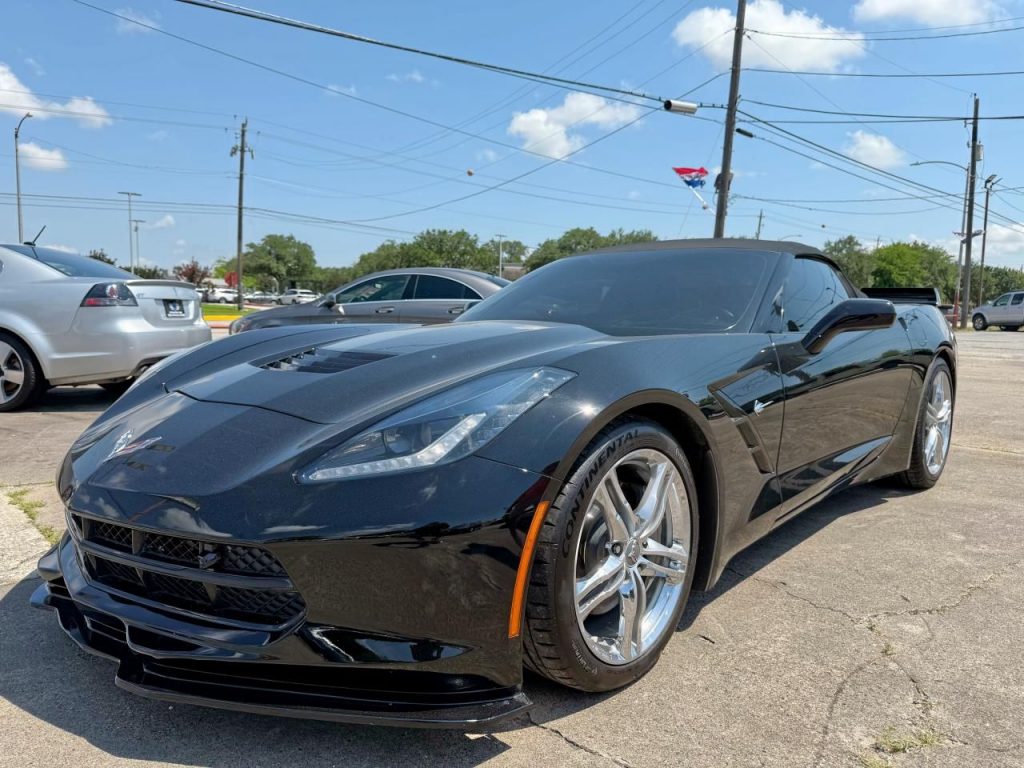


When browsing vehicles at car auctions, many first-time buyers notice something surprising. Some vehicles sell for far less than their estimated market value.
At first glance, this may seem strange. If a car is worth $15,000 on the market, why would it sell for $6,000 or $7,000 at auction? The answer is that auction pricing works very differently from traditional dealership pricing.
Understanding these differences helps buyers recognize real opportunities — and avoid misunderstandings about how auction markets function.
What “Estimated Value” Actually Means
Most auction listings include an estimated retail value. This number is usually based on the vehicle’s market value if it were sold in normal retail condition, typically calculated using industry valuation guides.
However, that number does not mean the vehicle will sell for that price. It simply provides a reference point for buyers. Several important factors influence the final auction price.
Repairs and Unknown Damage
One of the biggest reasons auction vehicles sell for less than their estimated value is the possibility of repairs. Even when damage appears minor in photos, buyers must consider the cost of:
-
Replacement parts
-
Labor costs
-
Paint work
-
Mechanical issues
-
Hidden structural damage
Because these costs are uncertain until the vehicle is inspected or repaired, buyers naturally bid more conservatively. The potential repair cost reduces what buyers are willing to pay upfront.
Risk and Uncertainty
Traditional dealerships inspect, repair, and recondition vehicles before selling them. Auction buyers take on more responsibility.
That means buyers must account for risks such as:
-
Unknown mechanical problems
-
Title limitations
-
Transportation costs
-
Storage fees if pickup is delayed
Since buyers assume these risks, they adjust their bids accordingly. Lower bids help offset potential surprises after purchase.
Sellers Prioritize Speed
Many vehicles at auction are sold by organizations that prioritize speed rather than maximum retail profit. These can include:
-
Insurance companies
-
Banks repossessing vehicles
-
Fleet operators
-
Rental companies
Their goal is to recover value quickly and move inventory. Holding a vehicle longer can mean additional storage costs and continued depreciation. As a result, selling through auction — even at a lower price — is often the most efficient financial decision.
Market Competition Matters
Auction prices are also influenced by simple market demand. If many buyers are interested in the same vehicle, the bidding may drive the price closer to market value. However, if fewer buyers are competing, the vehicle may sell for significantly less.
This is why two very similar vehicles can sell for very different prices depending on the level of competition during the auction.
Timing Can Affect Auction Prices
The timing of an auction can also impact the final price. For example:
-
Some auctions take place during hours when fewer buyers are online
-
Seasonal demand can change what buyers are looking for
-
Market trends can influence specific vehicle types
These timing factors sometimes create unexpected deals.
Transportation Costs Influence Bidding
Many buyers must ship vehicles from the auction yard to their location. Transportation costs can significantly affect what buyers are willing to bid. If a vehicle is located far from most buyers, demand may be lower — which can lead to a lower final auction price.
Buyers closer to the auction location may have an advantage in these situations.
Not Every Cheap Car Is a Good Deal
While auction vehicles sometimes sell below estimated value, buyers should always evaluate the full picture. A low price may reflect:
-
Repair costs
-
Title restrictions
-
Limited demand
-
Transportation challenges
Understanding these factors helps buyers determine whether a vehicle is truly a good opportunity.
Why Auctions Create Opportunities
Because auctions involve uncertainty, competition, and time-sensitive sales, they often produce prices that differ from traditional retail markets. For informed buyers, this environment can create real savings.
The key is learning how to evaluate vehicles, understand potential risks, and calculate the true cost before bidding. Once buyers understand these dynamics, the auction marketplace becomes far less mysterious — and far more strategic.