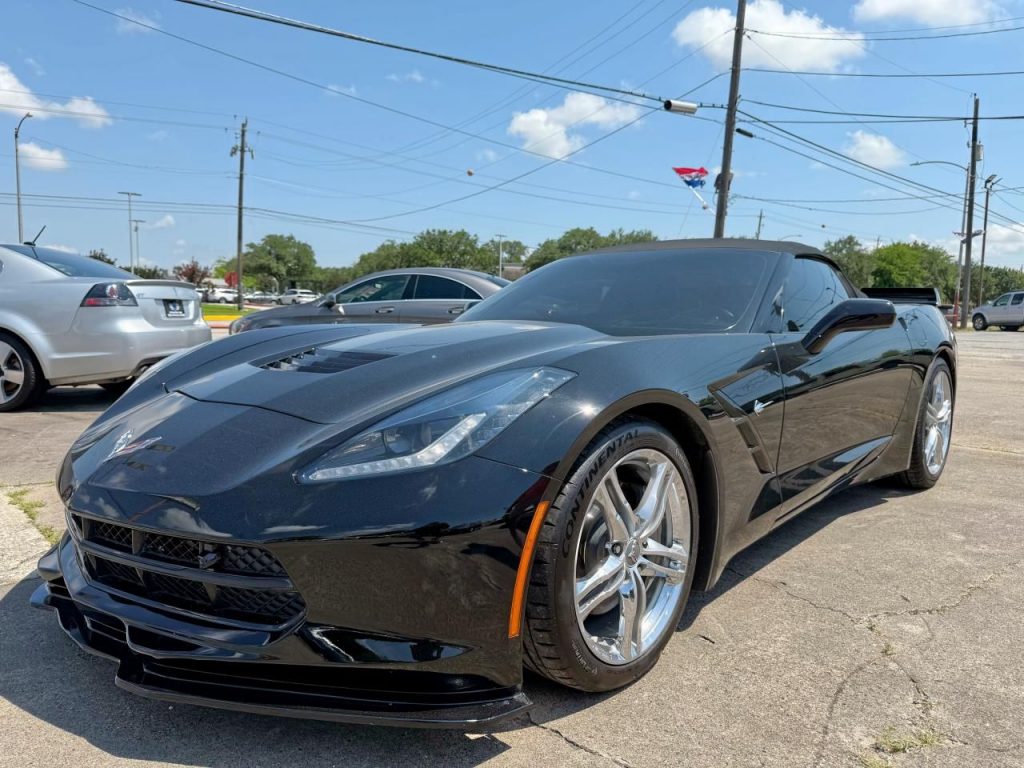


At online vehicle auctions, it’s common for two buyers to look at the exact same car and end up paying very different total prices.
Same vehicle, same auction, very different results.
This difference has little to do with luck. It comes down to how each buyer evaluates costs, timing, and logistics before committing to a purchase.
The Illusion of the “Cheap” Auction Price
Most buyers focus on a single number: the current bid.
That number feels like the price of the car, but in reality, it’s only one part of the equation. Two buyers can see the same bid and still walk away with completely different total costs.
The mistake is assuming the auction price equals the final price. It never does.
Where the Price Gap Really Comes From
Several factors explain why buyers pay different totals for the same vehicle. These differences usually appear before the bid is even placed.
1. Different Buying Methods
One buyer bids aggressively and wins the auction. Another buyer uses Buy It Now at the right moment.
Buy It Now often helps buyers avoid:
-
Bidding wars
-
Emotional overbidding
-
Extended auction timelines
Even if Buy It Now looks higher upfront, the final cost can be lower once fees and delays are considered.
2. Transportation Planning (or Not Planning at All)
Transportation is one of the biggest cost variables.
Some buyers:
-
Check transport estimates before bidding
-
Compare open vs enclosed delivery
-
Factor distance into their budget
Others only think about shipping after winning.
That’s how one buyer pays a reasonable transport cost while another faces a surprise bill that wipes out their savings.
3. Location Has a Bigger Impact Than Most Buyers Expect
The same vehicle in two different auction yards can have very different delivery costs.
Buyers who:
-
Consider proximity
-
Compare similar vehicles in closer locations
often pay less overall than buyers chasing the lowest bid hundreds of miles away. Smart buyers shop location as much as price.
4. Timing and Competition Awareness
Auction timing matters.
Some buyers:
-
Bid early
-
Attract competition
-
Push prices higher
Others:
-
Monitor activity
-
Set firm limits
-
Walk away when numbers stop making sense
The second group consistently secures better deals.
5. Tools Versus Guesswork
This is where the real difference appears. Buyers who use SalvageReseller tools can:
-
Estimate total purchase cost
-
Compare Buy It Now versus auction scenarios
-
Preview transportation expenses
-
Avoid emotional decisions
Buyers who guess rely on hope. Hope is expensive.
A Simple Example
Two buyers want the same vehicle.
Buyer A:
-
Wins after multiple bids
-
Pays more than planned
-
Calculates transport after winning
Buyer B:
-
Uses Buy It Now
-
Reviews the final price calculator
-
Confirms transportation costs upfront
Buyer B pays less, gets the vehicle faster, and avoids stress. Same car, different strategy.
Why Experienced Buyers Focus on Total Cost
Seasoned buyers don’t chase the lowest bid.
They focus on:
-
Predictability
-
Controlled risk
-
Clear totals
-
Faster execution
That mindset leads to better long-term results.
How SalvageReseller Levels the Playing Field
SalvageReseller is designed around transparency.
Buyers can:
-
Compare Buy It Now and auction pricing
-
Estimate total costs before bidding
-
Calculate transportation using ZIP code-based estimates
-
Make decisions with full visibility
This gives everyday buyers access to the same tools professionals rely on.
Final Thought
Two buyers can look at the same auction car and walk away with completely different outcomes.
The difference isn’t the car. It’s the process.
Buy smarter, not just cheaper.