
How Do I Register a Salvage Title Vehicle After Buying?

You just landed an amazing bargain on a salvaged vehicle, or perhaps discovered a dream salvage RV for sale at a price that made you pause in disbelief. Congratulations! You are now included in an expanding community of knowledgeable purchasers who understand that salvage doesn’t equal “garbage”—it frequently signifies potential. 

However, here’s the crucial question: 

What steps are needed to register a salvage title vehicle and make it legal for driving? 

No need to worry—we’re here to help. Whether you’re restoring a sports car or renovating a comfortable RV, this manual will guide you through each step in straightforward language. Let’s hit the highway (well, nearly). 

2015 Wildwood 2015 Forest River Flagstaff


First Things First: What’s a Salvage Title?

Let’s clear this up: the salvage title is a specific title that implies that it is a car declared as a total loss by an insurance company, possibly as a result of a crash, flood, theft, or some other extensive damage.

However, that does not make the car garbage. As a matter of fact, several salvage cars may be restored to a perfect state to be driven once more. It is but a few hurdles that you have to jump to prove it.


Step 1: Know the Rules in Your State

Before you pick up your toolbox or begin purchasing parts online, take a moment to check your state’s regulations. Each state has its own approach to registering salvage titles. 

Some require photos of the damage, detailed receipts, and a state inspection. Others might want proof that all your replacement parts came from legit sources. The last thing you want is to do all the work and get rejected because of a missing form.

Pro tip: Search for your state along with “salvage title registration” on Google or contact your local DMV. It requires five minutes and prevents days of trouble.


Step 2: Repair Like a Pro

This is where the magic happens. Once you understand the rules, it’s time to roll up your sleeves (or pay a mechanic) and get your salvaged vehicle back into shape.

Here’s what needs to happen:

  1. Fix all damage (frame, engine, body, everything)
  2. Replace any broken or missing parts
  3. Make sure it’s safe, street-legal, and up to emissions standards

Documentation is everything. Take pictures before, during, and after repairs. Save every receipt. Track every part. This paper trail proves to the DMV that you’re not cutting corners, and trust us, they’ll ask.

Whether it’s a salvage RV or a sports car, treat it like a project you’ll eventually show off because you will.


Step 3: Schedule That Inspection

Once the repairs are done, your car isn’t ready for the road just yet. First, you’ll need to get it inspected by your state’s designated salvage vehicle inspector.

This isn’t your basic oil-and-brakes kind of inspection. They’re checking to make sure:

  1. Your repairs were done properly
  2. No stolen or shady parts were used
  3. The vehicle is truly safe to drive

Bring your paperwork, receipts, salvage title, and a positive attitude. Be polite. Inspectors have seen it all, and your goal is to make their job easy.

Forget a single form and you’ll be rescheduling that inspection. Double-check everything before you go.

2021 Wildwood 2021 Forest River Trailer


Step 4: Get That Rebuilt Title

If your vehicle passes inspection, you’re ready to upgrade from salvage status to a rebuilt title (sometimes called a reconstructed or revived title).

You’ll usually need to submit:

  1. The original salvage title
  2. Your past inspection form
  3. Repair receipts and photos
  4. Title application
  5. Any state-specific forms
  6. Payment for the fees

Once approved, your state will mail you a brand-new title that says “rebuilt” instead of “salvage.” This means your vehicle is officially legal to drive, register, and insure.

Note: The “rebuilt” label stays on the title forever, but so does the sweet deal you got.


Step 5: Register and Hit the Road (Almost)

With a rebuilt title in hand, you’re almost there. Now it’s time to register the vehicle just like you would with any other car. Head to the DMV (or do it online if your state allows), bring the paperwork, and pay the registration fees.

You’ll also need insurance, and yes, some companies are picky about rebuilt titles. That said, many insurers do offer coverage, especially for well-repaired vehicles with all the documents to prove it.

Shop around, get quotes, and don’t settle. Your car may have a history, but now it’s got a future too.


A Few Must-Know Tips for Salvage Vehicle Success

Stay ultra-organized – Keep all your paperwork in one folder: photos, receipts, forms, and inspection documents. You’ll need them often.

Document everything – Snap photos throughout the repair process. It helps with inspections and insurance.

Be honest – If you ever sell your rebuilt car or RV, disclose the title history. People respect transparency, and it’s the law.

Use reputable parts – Buying from sketchy suppliers could get your rebuild rejected. Keep it clean.

Use a trusted platform – Buying salvaged cars or a salvage RV for sale? Use a name you can count on, like Salvage Reseller, to get access to clean titles, verified listings, and auction deals that won’t leave you stranded.


Why Salvaged Vehicles Are Worth It

Let’s be real: most people spend way too much on cars.

Buying a salvage title vehicle lets you pay less, fix it right, and enjoy the ride without a giant monthly payment. Whether you’re building a commuter car, a weekend ride, or fixing up a cozy RV for the family road trip of a lifetime, this path makes it possible.

With Salvage Reseller, it is even simpler. They provide access to thousands of reviewed listings, such as compact cars to fully loaded RVs. You do not even have to be a mechanic; just a bit of patience and a decent game plan is what is required.


Frequently Asked Questions


  1. Does the financing of salvage title vehicles apply?

The majority of the traditional lenders do not finance salvage vehicles because it is considered high risk. Then again, limited options may be available in some credit unions, specialty lenders, or rebuild-only financing services.

  1. Will it be difficult to resell a car with a rebuilt title?

Yes, it may be more difficult. The purchasers tend to be fearful, and the price of resale is usually low. But a complete recording of repairs will enhance confidence on the side of buyers and sell quicker on your side.

  1. Can I operate and drive a vehicle with a salvage title before I get a rebuild and register it?

No. Driving the vehicle on the streets is not a possibility until it passes inspection and earns a rebuilt title. You might have to tow it or have temporary permits to test it.

  1. How much is the typical time for the registration process for the salvage title?

Depending on your state and the speed of inspections and paperwork, it takes a different amount of time. The process may require a few weeks to several months on average.

  1. Do the kinds of damage make a salvage vehicle unrepairable?

Yes. Cars that are severely dented or have their frames in twisted condition, and where the car has been exposed to floods or fire, can be described as unsafe or too exorbitant to service, despite having a rebuilt title.


The Bottom Line

Purchasing a salvage title vehicle goes beyond being a cost-effective choice—it’s a chance to revive something. Regardless of whether it’s a vehicle or a salvage RV available for purchase, these automobiles frequently possess significant untapped potential. By utilizing the correct method, you can maximize that worth.

The registration process can appear daunting initially, but when you simplify it, it becomes a matter of adhering to a straightforward sequence of tasks: investigate your state regulations, perform necessary repairs, succeed in the mandatory inspections, and obtain a rebuilt title. Keep things in order and record everything.

By being patient and meticulous, you can achieve a completely roadworthy car at a much lower expense—and enjoy the fulfillment of accomplishing it on your own.


Start Your Salvage Journey Today

Ready to find your next rebuild-worthy ride? Visit Salvage Reseller to explore a wide range of salvaged cars and salvage RVs for sale. With verified listings and an easy-to-use platform, it’s never been easier to start your salvage journey. 

Let Salvage Reseller help you turn a great deal into a great vehicle.

Do Auction Cars for Sale Come With Clean Titles?

When shopping for auction cars for sale, a typical question from buyers is whether or not the cars have clean titles. The response isn’t always a simple yes or no, however, depending on the history of the vehicle, seller disclosures, and even the auction site itself. Buyers who are interested in value but also in having peace of mind need to know the various types of vehicle titles and what they signify.
In this blog, we’ll explore what a clean title really means, how auctions categorize their inventory, and how platforms like Salvage Reseller make it easier to verify a car’s history before placing a bid.


Understanding What a Clean Title Means

Before we talk about how titles work in auto auctions, we need to explain what a “clean title” is. A clean title means that an insurance company has never said that the car was a total loss. In contrast, salvage or rebuilt titles show that the car has been damaged or repaired in a big way before.
A clean title means that the car hasn’t been in a bad accident, flood, fire, or other big event that would make the insurance claim big enough to make the car a loss. Most buyers are more interested in clean-titled cars because they are worth more on the market and are cheaper to insure or finance.


Why Cars Are Sold at Auction in the First Place?

Not all cars at auction are there because they’re broken. A car may be sent to auction for any number of reasons:

Lease Returns and Trade-Ins

Dealerships will typically send lease return cars and trade-ins to auction if they don’t meet the profile of what they typically sell on their lot. These are typically clean, late-model vehicles with no history of substantial damage.

Bank Repossessions

Repossession lenders that repossess cars for payments that are not made don’t usually keep them long. These repo vehicles tend to carry clean titles, since their return to auction is not because of damage but failure to pay.

Fleet Vehicles

Businesses will sell used fleet vehicles or rental cars after reaching a specific mileage. Once more, a lot of them can be clean-titled and have good maintenance records.
While auctions do have salvage vehicles, it’s a misperception that all available cars are damaged. In reality, legit sites offer a diverse assortment of vehicles, including clean title cars ready for the road.


2019 Dodge Challenger R/T Scat Pack

Types of Titles You Might Find at Auction

Vehicle auctions tend to specify the title status within the car description. Buyers would do well to notice these differences, particularly when searching auction cars for sale with the intention of discovering clean models.

Clean Title

This title indicates that the car has no significant insurance claims or legal problems linked to it. It hasn’t been classified as a total loss, and it should be fairly easy to insure and register.

Salvage Title

Salvage titles mean that the vehicle has suffered a major accident or been damaged by flood or fire and was considered a total loss by the insurance company. Such cars can be repaired and driven, but carry a higher risk.

Rebuilt or Reconstructed Title

These cars once had a salvage title but were rebuilt and passed a state inspection. Although they can be legally operated, they might not have the same long-term value or dependability as a clean-titled vehicle.

Junk Title

A junk title typically indicates the car is only salvageable for parts or scrap metal. These are not road-worthy vehicles and are usually not worth repairing.
Understanding these types helps participants in an auction determine more effectively the risk versus return of every purchase.


How SalvageReseller Assists in Making Informed Decisions?

Not all auction sites are created equal in terms of transparency. Salvage Reseller differentiates itself by providing vehicle reports, title status, and condition disclosures for each listing. This is worth a lot to anyone browsing through hundreds of auction cars for sale, attempting to sift out the ones that are reliable and discard the others.

Access to Vehicle History Reports

When you browse through listings, you can see critical information like title type, damage type (if any), odometer reading, and auction location. This enables you to separate clean title cars from those that need serious repairs.

Easy Navigation and Filtering

The site enables you to search for your results by title type. If you’re interested in clean title cars only, you can filter your search to exclude salvage and rebuilt titles so you don’t have to search through them.

Detailed Photos and Descriptions

Photographs and written condition reports give you a good idea of the state of the vehicle prior to bidding. While it is always best to view a vehicle in person or through a licensed agent, these images are a good first glance.
Salvage Reseller empowers users by focusing on transparency and user control. Buyers feel more confident in their decisions because they’re not left to wonder about a car’s background.


2022 Land Rover Defender 110 X-DYNAMIC SE

Pros and Cons of Buying Clean Title Auction Cars

Whether you’re a flipper or a first-time buyer, analyzing the advantages and disadvantages of auction clean title cars can assist you in planning your approach.

Pros

  1. Less Expensive: Compared to prices at dealerships, clean title cars sold at auction are much cheaper.
  2. Improved Resale Value: A Clean title designates that the automobile will be simpler to resell in the future.
  3. Simpler to Insure: Insurers provide better insurance rates for clean title cars.
  4. Less Risk: Fewer surprises about previous damage or repairs.

Cons

  1. Competition: Everybody desires a clean title car, which can inflate the price at auction.
  2. Limited Availability: Not every auction has a huge supply of clean-title vehicles.
  3. As-Is Condition: Even clean title vehicles are sold “as is,” so research is crucial.
  4. While clean title cars have fewer risks, purchasers must still enter each auction with caution and forethought.


What to Check Before Bidding?

While bidding for a clean title auction vehicle, keep the following important factors in mind:

Vehicle History

Always check the title history report that is available. Keep an eye out for trouble flags like previous accidents, missed maintenance, or gaps in the ownership.

Condition Report

Though clean title vehicles might have been involved in mechanical or cosmetic issues, go over the condition report in detail, including seller or auction house comments, if any.

Location and Fees

Keep in mind if the car is close to your area or if shipping will be needed. Add auction fees, documentation fees, and title transfer fees into the equation as well.
Taking those additional steps ensures you’re purchasing a dependable vehicle that meets your expectations.


Why Buyers Shouldn’t Dismiss Auction Cars?

A lot of people shun auto auctions because they think all of the cars are used or unsafe. That’s not the case. Clean title auction vehicles can represent excellent value to buyers who are in the know.
Whether you’re purchasing for personal use, commercial use, or resale, auctions can be a powerful tool. You can take advantage of wholesale pricing, greater selection, and the chance to save in the long term.
And with a reliable site like Salvage Reseller, the experience is even more convenient.


Ready to Begin Bidding? Discover Your Next Vehicle Today

When you’re on the lookout for price and selection, auction cars for sale are an attractive choice. And sure, a lot of them do have clean titles. But as with any significant purchase, research is essential.
Search listings on Salvage Reseller today. Filter with the search tools to locate clean title vehicles that fit your criteria. With planning and smart choices, your next car may be within a bid.


Frequently Asked Questions

1. Are clean title cars available on Salvage Reseller?
Yes. Salvage Reseller provides many types of vehicles, including clean title cars, repossessions, and lease returns. There are filters to search for clean titles specifically.

2. Are all auction cars salvaged or damaged?
Absolutely not. Some auction vehicles are trade-ins, fleet sales, or repossessions that have clean titles and may not have any serious damage.

3. How do I check the title of a vehicle prior to bidding?
Every listing on Salvage Reseller provides title status as well as frequently links to vehicle history reports. Be sure to thoroughly read the description prior to bidding.

4. Is it simple to insure and register a clean-title auction car?
Yes, clean title cars are handled just like any other used car. Provided you have completed your paperwork, you should be able to insure and register the vehicle without any problems.

From Rust to Riches: How to Transform a Salvage Mustang into a Collector’s Dream


For car buffs, few cars evoke excitement like the Ford Mustang. Iconic for its nostalgic look, thunderous roar, and cultural significance, mustang classic cars are more than just a set of wheels-it’s a piece of automotive heritage. But what do you do when you come across a salvage Mustang? With a little know-how, patience, and resources, you can breathe new life into a battered shell and turn it into a showstopper that commands attention.

Whether it is a labour of love or a future scheme to flip repairable vintage classics for profit, working on a Mustang will never disappoint. In the steps of this guide, learn how to bring the Mustang back to life by going over all the valuable information from sources like Party On Butler that could make the project as easy as possible to pull off.


Understanding the Appeal of Salvage Mustangs

Salvage Mustangs are treasures often overlooked. These vehicles could have been neglected, damaged, or even declared as not worth repairing by previous owners, but with dedication and the right expertise, they can be brought back to their former state. The appeal of restoring a salvage Mustang lies in its potential:

  1. Affordability: Salvage Mustangs are usually sold at a fraction of the price that fully restored models cost.
  2. Customization Potential: You can give the car exactly what you want: improved performance, customized paint jobs, and more.
  3. Historical Value: There is a lot of pride and satisfaction in bringing back to life an automobile piece of history.


Assessing the Salvage Mustang’s Condition

Before embarking on the restoration project, it’s essential to properly assess the current state of the car. It will save you from any surprise and ensure that you do not waste time and money on something that is beyond repair. Begin with the structural integrity of the Mustang. The backbone of the car consists of the chassis and frame, so signs of serious rust, warping, or damage can make the project not viable. If the body is sound, then look at the engine and drivetrain.

A salvage Mustang with an original engine is a gold nugget to find, and it greatly increases the value of the final car. Even if the engine is a write-off, though, replacement options are widely available for repairable classic cars.


Planning Your Restoration Journey

The success story of any restoration project would begin with a plan of action. It will set aside a realistic budget, map out the process, and gather all the necessary tools and resources.

Define Your Goal
Are you shooting for a factory-accurate restoration, or do you see it as a custom build with some modern touches? Your goal will dictate the parts you need to find and the level of detail required.

Budgeting for Success
Restorations tend to go beyond budget estimates. Prepare a budget for parts, labor, tools, and other unforeseen expenses.


Step-by-Step Restoration Guide

Overhaul Mechanical: Begin at the car’s heart: the engine, transmission, and suspension. This may mean rebuilding the original engine or installing a modern replacement, and be sure to get everything else in pristine working condition as well.

Rust Removal and Bodywork: Rust is the biggest enemy of all classic cars. Apply sandblasting or chemical treatments to dissolve rust and strengthen weakened points. Eliminate dents, change dented panels, and surface preparation before painting.

Painting and Finishing: The decision regarding paint also plays an important role while restoring your vehicle. Choosing the right factory paint color, or custom shade that strikes your mind is all part of the deal, make it perfect.

Restore the Inside: Change old seats and install a carpet. Make a fix/upgrade in the dashboard. Small details are going to turn what is a good restoration into an awesome restoration.

Electrical Systems: From lighting to gauges, ensure the car’s electrical components are working safely. Modern upgrades such as LED lights can be great for reliability without detracting from the classic appeal of the car.


Restoration Pitfalls to Avoid

Restoring a classic Mustang is a rewarding experience, but it is not without its challenges. Knowing the common pitfalls can save you time, money, and frustration in the process.

Underestimating Costs
The restoration project always has some hidden expenses, such as rust that is not easily seen or rare replacement parts. It is essential to build a flexible budget with extra room for surprises to avoid stalling your progress.

Skipping Pre-Recovery Findings
Study about your specific Mustang model and its history, which entails restoration requirements. In this way, you will be able to differentiate what’s original from an aftermarket part so that the car’s integrity and value are not harmed.

Cutting Corners
Quality craftsmanship really takes time and attention to detail. Cutting on materials or rushing through processes like bodywork or engine rebuilding often leads to costly mistakes and can reduce the car’s longevity and appeal among collectors.


How Salvage Reseller Can Help

Finding a good project car is the first step when you want to restore a Mustang. This is where Salvage Reseller really comes in handy. We specialize in connecting buyers with repairable vehicles, so you can find the right repairable classic cars that suit your vision.

Benefits of Salvage Reseller:

  1. Huge inventory: The website features an enormous collection, from lightly damaged Mustang classic cars to major restoration works.
  2. Transparency: Detailed listings are provided with pictures and descriptions, allowing you to analyze the car before buying it.
  3. Easy Auctions: Access online auctions to help you place your bids and have the Mustang you desire for in your house.
  4. Cost Savings: SalvageReseller.com offers access to affordable vehicles, which will enable you to start your restoration project within budget.


Conclusion

Transforming Mustang classic cars from a rusty relic into a dream collector’s car is labor of love. Every scratch that is repaired, every bolt tightened, and every coat of paint applied gets you closer to making something special.

The process is more manageable and enjoyable because of the available resources: Party On Butler, expert advice, and access to quality parts. So whether it’s a passion project restoring the Mustang as an individual, or trying to sell it for a profit, the journey is just as worthwhile as the destination.

Insurance Auto Auctions: A Goldmine for Bargain Vehicle Hunters

Have you been searching for new cars and hoping to find the best prices in the market? If these apply to you, insurance auto auctions may be what you seek. These places present a unique chance to find cars for a very low price, which would be much higher in the market with very few competitors and cheap running costs. Be it a vehicle lover, a person interested in business, or someone who simply wants to grab the best deal, active bidding in an insurance auto auction is an intelligent decision. 

Here’s everything you need to know about insurance auto auctions and why they’re becoming increasingly popular for bargain vehicle hunters.

What Are Insurance Auto Auctions?

At insurance auto auctions, vehicles considered a total loss by insurance companies are sold to the highest bidder. Such situations arise when the cost of repairs exceeds the vehicle’s market value due to accidents, natural calamities, theft, or even vandalism. Rather than incurring the expense of fixing the vehicle, the insurance company sells it at auction to recoup some of the losses.

There are two types of auctions: salvage and clean title. Salvage vehicles frequently involve extensive repair work, while clean title vehicles may have only some aesthetic alteration or external damage. In any case, car insurance auctions are still cheaper than searching for a dealership or conducting a private sale.

How Do Online Car Auctions Work?

Many insurance auto auctions have shifted to online platforms, making participating in the bidding process more accessible and convenient without leaving home. Such portals provide detailed descriptions, images, and VHRs to allow bidders to submit bids and monitor live auctions.

Don’t forget how easy it is to participate in multiple auctions simultaneously with the help of larger collections of vehicles—it’s not only price comparisons that become easy but also cheap vehicle assessment.

Cars for sale

Why Should You Consider Insurance Auto Auctions?

There are several reasons why insurance auto auctions are a goldmine for bargain hunters:

1. Affordable Prices

One of the most significant advantages of insurance auto auctions is the possibility of huge savings. Cars are sold wholesale, making it possible for buyers to buy them for less than the prices offered in the showroom. Be it a project car or a regular daily car, insurance auto auctions are cheap car auctions for everyone.

2. Wide Selection of Vehicles

Insurance car auctions encompass an array of automobiles, be it cars, trucks, SUVs, motorcycles, and boats. With numerous makes and models and their states, buyers can always find something within their range, such as a high-end or rugged utility vehicle.

3. Access to Uncommon Vehicles

Insurance auto auctions can offer rare or hard-to-find vehicles not readily available at dealerships, allowing collectors or buyers to acquire unique cars at competitive prices.

4. Less Negotiation

In contrast to the normal car purchase process, insurance auto auctions are simply recreational sports. The person who bids the most wins everything, removing the burden of worrying about negotiations. Therefore, one can concentrate on the finances and plans without the uncomfortable situation of a salesperson.

5. Opportunity for Investment

Certain customers also go to auto-insurance auctions to acquire cars to sell them and make a profit. Investors can profit substantially by buying damaged automobiles to some extent, restoring them to their full state, and selling them out again. This calls for an understanding of the mechanics of vehicles and the currents in the market, but for those with the necessary skills, it can be highly rewarding.

Tips for Buying at Insurance Auto Auctions

It is prudent to consider a few important points before engaging in an insurance auto auction that will help in getting the best deal possible:

online car auction

1. Do Your Research

As with any significant financial commitment, ample research must be done before making any bids. Always check the vehicle history report, which contains information regarding accident history, title history, and the number of owners. Most online auctions often carry this report, so please do not forget to use it.

2. Understand the Auction Process

Different auctioneers have different rules, so one must learn their bidding practices. For instance, online auctions may feature time limits on placing bids, reserve pricing, or proxy bidding. Awareness of such mechanisms allows one to formulate a plan and ensure a winning bid is not excessive.

3. Inspect the Vehicle (If Possible)

Although numerous online automobile auction sites offer high-quality images and illustrations of the cars on sale, it is still preferable to examine the car yourself if possible. This will provide a better perspective of the car’s status and any underlying problems that may not be clear in the pictures.

4. Know the Vehicle’s Condition

When it comes to insurance auto auctions, it is common to have damaged vehicles on display. Some vehicles will likely be restored, while others will be said to be a write-off. When you are about to bid in the auction, study the vehicle’s condition keenly and ask yourself whether you can fix it back in shape if necessary.

Find Your Dream Car at a Great Price!

Suppose you’re considering an automobile and yearning to get the best deal possible. Searching for an online car auction like Salvage Reseller should be your top priority. Our insurance car auctions take pride in offering an extensive range of cars at relatively lower prices, making it even more convenient to get any car one desires for almost less than the usual price. Whether you’re after a reliable daily driver or a unique project car, Salvage Reseller offers an extensive array of options to suit every budget. 

Start your journey today and drive away with a great deal!


Final Thoughts

Many bargain vehicle hunters have found that insurance auto auctions are an excellent way of acquiring vehicles. This is because they have reasonable prices and a wide variety of vehicles; some even have options for finding vintage cars. With technological advancement through online car auctions, attending these activities has never been difficult.

Coverage auto auctions are cheap and numerous, not near ordinary markets, be it a personal vehicle,  investment opportunity, or a car to rebuild. Through research and creating a budget, you can increase the chances of getting the vehicle you want at a lower cost from the auction.

Which Offers Better Deals: Used Car Auction vs. Private Sellers?

Purchasing a used car can be a thrill. But where to buy it from? It’s not an easy decision to make. Should you go for a used car auction or buy directly from a private seller? Each option has its advantages, and the ones you consider most important are getting the lowest possible price, ample choices, or knowing exactly what you’re getting. 

In this guide, we shall be looking at the factors that distinguish an auction-used car from a private seller to determine which one gives you the best deal. So, are you ready to go?

Understanding Used Car Auctions and Private Sellers


What is a Used Car Auction?

An auction for used cars is held where vehicles are sold to the highest bidder; in auctions, which are conducted on the Internet as well as in face-to-face sales, the cars to be dealt with range from seemingly normal vehicles to extravagant high-quality vehicles to salvage title cars. 

What’s even better? Because of the similar bargain prices at auctions, cars are priced lower than you’d find at a dealership. The catch is that most auctions sell cars “as-is,” meaning you may not have a chance to inspect the vehicle before purchase. But you educate yourself about bidding smart again, and you may score an extraordinary deal.

What is a Private Seller?

A private seller is anyone who wants to sell his car directly to a buyer. These sales are commonly hosted on online marketplaces and advertised through social media and other personal circles. 

With the advantages comes the danger: bargaining over the selling price, asking questions about the car’s history, and sometimes even trials during the purchase. But the risks involved in buying from private sellers are high—the seller might not reveal everything about the car’s condition, and once you purchase it, you’re, well, almost on your own if anything happens.


Comparison: Used Car Auctions vs. Private Sellers

Here’s a side-by-side comparison to help you decide which option makes the most sense for you:

Factor Used Car Auction Private Seller
Price Lower due to competitive bidding Can negotiate based on the car’s condition
Selection Large variety, including salvage title cars and luxury vehicles Limited to local availability
Condition Disclosure Minimal – cars sold “as-is” More transparency if the seller provides records
Inspection Opportunity Brief or no inspection is allowed Usually allowed, depending on the seller
Negotiation Fixed price or bidding process Direct negotiation with the seller
Fees Buyer’s premium and auction fees may apply No extra fees
Purchase Speed Fast – the sale is often finalized on the same day Slower – may require several meetings and paperwork
Legal Protection Minimal – sold “as-is” Minimal – sales are usually final
Risk of Misrepresentation Higher – limited ability to assess the condition Moderate – depends on the seller’s honesty
Luxury Cars Availability High–luxury cars are often available Low – depends on the local market


Why Choose Salvage Reseller for Used Car Auctions?

If you plan to buy a used car at auction, Salvage Reseller is a fantastic starting point. Whether you’re looking for an inexpensive commuter car or a high-performance model, Salvage Reseller will help you get what you want at a price that suits you. Here are reasons why it’s an intelligent choice. 

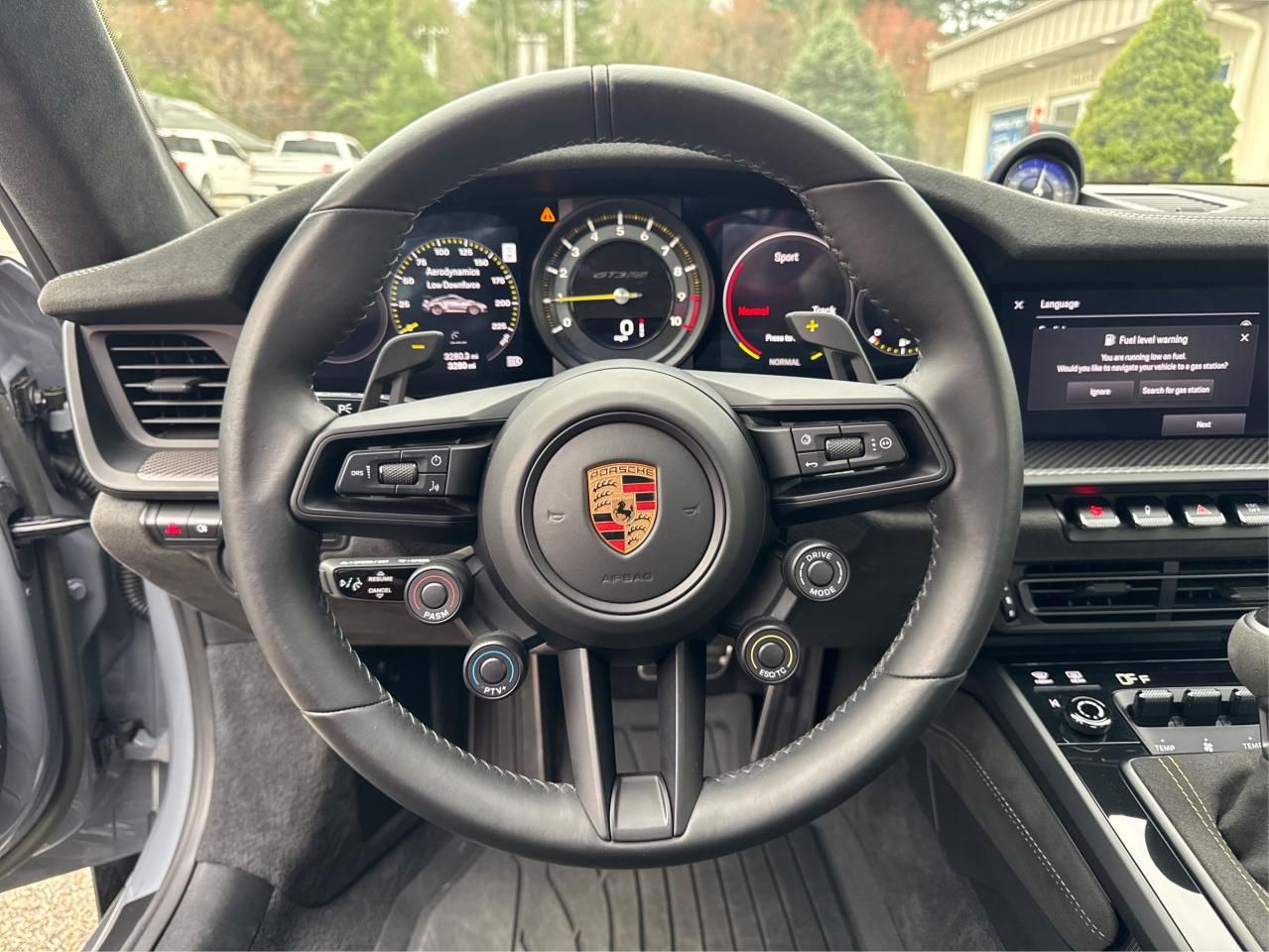
2023 Porsche 911 GT3 RS

1. Huge Selection of Used Cars

Salvage Reseller brings you an overwhelming selection of cars–from run-of-the-mill sedans and SUVs to go-for-broke luxury types and salvage title cars. With that many options, you can find the perfect vehicle for you at the right price.

2. Competitive Pricing

Because salvage resellers sell through auctions, cars often sell for well below market value. The competitive environment gives you a chance to snag one real bargain. And since you alone decide how much you’re going to pay, there’s no undue pressure that might cause you to pay more than you wanted. 

3. Transparent Vehicle Listings

The Salvage Reseller gives detailed descriptions of every vehicle, such as its condition, history, and known issues. Therefore, you can make educated decisions and avoid surprises later.

4. Easy and Secure Buying Process

Buying through a Salvage Reseller is easy and trouble-free. You can register online, browse the available cars, and bid fully from your home. They also handle all the paperwork for you throughout, simplifying the process from start to finish.

5. Access to Salvage Title Cars

If you’re into fixing up cars or making low-cost finds, Salvage Reseller will set you up with a whole world of salvage title cars at unbeatable prices. Most of these vehicles can be fixed and sold for cash back or become daily drivers.

6. Trusted by Thousands of Buyers

Salvage Reseller has given thousands of buyers the opportunity to find great bargains. Whether you want a local auction or an online auction, the security of transactions and straightforward bidding lend credibility and trustworthiness to Salvage Reseller.

What About Salvage Title Cars?

Salvage title cars, as a rule, are those vehicles that have been declared losses in whole or part by the insurance company due to damage, theft, or otherwise problematic issues. They are usually sold at auctions for a subsidized price compared to clean-title vehicles. 

Buying a salvage title vehicle can be an intelligent way to reduce costs. Still, one must know what they are getting into because such vehicles may have undisclosed problems or require serious repairs before being used legally on the road. But if you are willing to take small risks and know what to look for in a car, a salvage title car can be a steal.

Salvage resellers have considerable data on salvage title cars and massive collections.

When to Choose a Used Car Auction

You might prefer a used car auction if:

  1. You want the lowest possible price.
  2. You like the thrill of bidding and competition.
  3. You’re looking for a specific type of car, like a luxury model or a salvage title car.
  4. You’re comfortable with the “as-is” nature of auctions.

When to Choose a Private Seller

A private seller might be the better choice if:

  1. You prefer face-to-face communication with the seller.
  2. You want to negotiate directly.
  3. You value being able to inspect the car before buying.
  4. You’re not in a rush and want to take your time with the purchase.

Final Thoughts

There are advantages and disadvantages to purchasing a used car at auction versus privately: Auctions usually sell vehicles at lower prices than the private market, and they have a wider selection. However, they are always riskier. Private sellers grant you more wiggle room for negotiation and a chance to inspect the car, but probably at a higher cost for the comfort that goes along with it.

When you want to dip into used car auctioning, this is the place to go, as Salvage Reseller has heavy stock, good cuts in competitive bidding, and a secure and truly easy process through which customers will be buying its cars. 

Start shopping Salvage Reseller today and understand why so many shoppers trust the organization to get the best values in used cars! Whether you’re looking for a turn-key commuter or a dream project car, Salvage Reseller can be counted on.