

Why Thousands of Buyers Use Brokers to Access Car Auctions

If you’ve been researching how to buy cars at auction, you’ve probably come across a common obstacle:

Some auctions require a dealer license. This leads many first-time buyers to ask: Why can’t I just buy directly? And more importantly, why do so many people use brokers instead?


The answer is simpler than it seems — and understanding it can completely change how you approach buying cars at auction.


The Main Barrier: Dealer-Only Auctions


Many of the largest vehicle auction platforms are designed for licensed dealers.


This means:

  • You cannot register as a regular individual

  • You cannot place bids directly

  • You cannot complete purchases on your own


These restrictions exist because auctions were originally built for businesses, not the general public.


What a Broker Actually Does


A broker acts as a licensed intermediary between you and the auction. Instead of requiring you to become a dealer, the broker allows you to:


  • Access dealer-only inventory

  • Place bids through their account

  • Complete purchases legally

  • Receive support throughout the process


In simple terms, the broker opens the door that would otherwise be closed.


Why Thousands of Buyers Choose Brokers


There are several reasons why brokers have become the preferred option for many buyers.


1. Access Without a Dealer License


This is the biggest reason. Getting a dealer license is not simple. It often requires:


  • Business registration

  • Physical location requirements

  • State approvals

  • Compliance with regulations


For most individuals, this is not practical. Using a broker removes that barrier completely.


2. Simplicity for First-Time Buyers


Car auctions can be confusing at first.There are:


  • Different auction statuses

  • Multiple fees

  • Vehicle conditions to interpret

  • Transportation logistics


Brokers simplify this process by providing guidance and structure.mInstead of figuring everything out alone, buyers can follow a clear path.


3. Access to Large Inventory


Auction platforms offer thousands of vehicles daily.Through a broker, buyers can browse:


  • Insurance vehicles

  • Repossessed cars

  • Fleet vehicles

  • Repairable and clean-title units


This gives buyers far more options than traditional dealerships.


4. Better Cost Visibility


One of the biggest challenges in auctions is understanding the total cost. Brokers often provide tools that help buyers:


  • Estimate final prices

  • Calculate fees

  • Evaluate transportation costs


This makes the process more transparent and reduces surprises.


5. Transaction Handling and Support


When buying through a broker, the process is more structured. Brokers handle:


  • Bid execution

  • Purchase processing

  • Communication with the auction

  • Basic guidance during the process


This reduces the risk of mistakes, especially for new buyers.


Why Not Everyone Buys Directly


Even if direct access were possible, many buyers still prefer brokers.Why? Because auctions are not just about placing a bid. They involve:


  • Understanding pricing dynamics

  • Managing risk

  • Coordinating logistics

  • Calculating total cost


For many buyers, having a structured system is more valuable than going direct.

Are Brokers Only for Beginners?


Not at all. While brokers are especially helpful for first-time buyers, many experienced buyers continue using them because of:


  • Efficiency

  • Convenience

  • Access to tools

  • Time savings


In many cases, brokers streamline the process even for advanced users.


What This Means for You as a Buyer


If you’re new to auctions, using a broker is not a limitation. It’s actually what makes participation possible. Instead of navigating complex requirements and systems alone, you can:


  • Access inventory immediately

  • Understand costs upfront

  • Follow a structured buying process


This is why so many buyers choose this route.


Final Thoughts


Car auctions were not originally built for the general public. Brokers bridge that gap.


They make it possible for everyday buyers to access dealer-only inventory, understand the process, and complete purchases without needing a license. 


For most buyers, especially those starting out, using a broker is not just helpful — it’s the easiest and most practical way to participate in car auctions.

Wh Auction Cars Sell Below Market Valuey Some

When browsing vehicles at car auctions, many first-time buyers notice something surprising. Some vehicles sell for far less than their estimated market value.


At first glance, this may seem strange. If a car is worth $15,000 on the market, why would it sell for $6,000 or $7,000 at auction? The answer is that auction pricing works very differently from traditional dealership pricing.


Understanding these differences helps buyers recognize real opportunities — and avoid misunderstandings about how auction markets function.


What “Estimated Value” Actually Means


Most auction listings include an estimated retail valueThis number is usually based on the vehicle’s market value if it were sold in normal retail condition, typically calculated using industry valuation guides.


However, that number does not mean the vehicle will sell for that price. It simply provides a reference point for buyers. Several important factors influence the final auction price.


Repairs and Unknown Damage


One of the biggest reasons auction vehicles sell for less than their estimated value is the possibility of repairs. Even when damage appears minor in photos, buyers must consider the cost of:


  • Replacement parts

  • Labor costs

  • Paint work

  • Mechanical issues

  • Hidden structural damage


Because these costs are uncertain until the vehicle is inspected or repaired, buyers naturally bid more conservatively. The potential repair cost reduces what buyers are willing to pay upfront.


Risk and Uncertainty


Traditional dealerships inspect, repair, and recondition vehicles before selling them. Auction buyers take on more responsibility.


That means buyers must account for risks such as:


  • Unknown mechanical problems

  • Title limitations

  • Transportation costs

  • Storage fees if pickup is delayed


Since buyers assume these risks, they adjust their bids accordingly. Lower bids help offset potential surprises after purchase.


Sellers Prioritize Speed


Many vehicles at auction are sold by organizations that prioritize speed rather than maximum retail profit. These can include:


  • Insurance companies

  • Banks repossessing vehicles

  • Fleet operators

  • Rental companies


Their goal is to recover value quickly and move inventory. Holding a vehicle longer can mean additional storage costs and continued depreciation. As a result, selling through auction — even at a lower price — is often the most efficient financial decision.


Market Competition Matters


Auction prices are also influenced by simple market demand. If many buyers are interested in the same vehicle, the bidding may drive the price closer to market value. However, if fewer buyers are competing, the vehicle may sell for significantly less.


This is why two very similar vehicles can sell for very different prices depending on the level of competition during the auction.


Timing Can Affect Auction Prices


The timing of an auction can also impact the final price. For example:


  • Some auctions take place during hours when fewer buyers are online

  • Seasonal demand can change what buyers are looking for

  • Market trends can influence specific vehicle types


These timing factors sometimes create unexpected deals.


Transportation Costs Influence Bidding


Many buyers must ship vehicles from the auction yard to their location. Transportation costs can significantly affect what buyers are willing to bid. If a vehicle is located far from most buyers, demand may be lower — which can lead to a lower final auction price.


Buyers closer to the auction location may have an advantage in these situations.


Not Every Cheap Car Is a Good Deal


While auction vehicles sometimes sell below estimated value, buyers should always evaluate the full picture. A low price may reflect:


  • Repair costs

  • Title restrictions

  • Limited demand

  • Transportation challenges


Understanding these factors helps buyers determine whether a vehicle is truly a good opportunity.


Why Auctions Create Opportunities


Because auctions involve uncertainty, competition, and time-sensitive sales, they often produce prices that differ from traditional retail markets. For informed buyers, this environment can create real savings.


The key is learning how to evaluate vehicles, understand potential risks, and calculate the true cost before bidding. Once buyers understand these dynamics, the auction marketplace becomes far less mysterious — and far more strategic.

What Happens After You Win an Auction Car Online? A Step-by-Step Breakdown

Buying a vehicle through an online auction can feel exciting — and intimidating at the same time. Many first-time buyers focus heavily on the bidding moment, but the truth is that winning the auction is only the beginning of the process.


If you’re using a broker platform like SalvageReseller.com to access Copart auctions, understanding what happens after you win is critical to avoiding delays, unexpected costs, or mistakes.


This guide walks you through each step after winning an auction car, exactly as it happens on SalvageReseller.com, so you know what to expect and how to prepare.


Step 1: Auction Win Confirmation


Once your bid wins the auction or you purchase a vehicle using Buy It Now, you’ll receive a confirmation by email. At the same time, the vehicle will appear in your SalvageReseller dashboard under your account activity.


At this stage, the vehicle is reserved under your name, and the transaction becomes binding. All Copart vehicles are sold as-is, where-is, so it’s important that inspections and research were done before bidding.


Step 2: Reviewing the Final Vehicle Cost


Winning the bid does not mean the bid price is the final amount.

After the auction, your total cost is calculated based on several components:


  • Winning bid or Buy It Now price

  • Copart auction fees

  • SalvageReseller broker fee (based on your membership level)

  • Documentation and processing fees


SalvageReseller provides built-in tools that allow buyers to estimate these costs ahead of time, helping avoid surprises after winning.


This is one of the biggest advantages of using a broker platform rather than bidding blindly.


Step 3: Payment Deadline and Method


Once the auction is finalized, payment must be completed within two business days

.

Payments on SalvageReseller.com are made only via wire transfer or direct bank deposit to Inloher Corp. No credit cards, PayPal, or third-party payment methods are accepted.


Missing the payment deadline can result in late fees, cancellation of the purchase, or even account suspension. For this reason, serious buyers are encouraged to have funds ready before bidding.


Step 4: Invoice and Purchase Confirmation


After payment is received and verified, you’ll receive:


  • A purchase confirmation

  • A detailed invoice showing all costs

  • Access to the next steps directly from your dashboard


This confirmation means the vehicle is officially released for pickup or transportation scheduling.


Step 5: Transportation Planning


Most auction vehicles are stored at Copart yards and must be removed within a limited timeframe to avoid storage fees.


Through SalvageReseller, buyers can access a transportation estimator directly on the vehicle page. By entering:

  • Destination ZIP code

  • Transport type (open or enclosed)

  • Pickup preferences


Users can see an estimated delivery cost and transit time before booking.

This allows buyers to plan logistics immediately after winning, instead of scrambling at the last minute.


Step 6: Vehicle Pickup or Delivery


Once transportation is arranged, the carrier will coordinate pickup directly with the Copart yard.


Delivery timelines vary depending on distance, vehicle condition, and carrier availability, but most domestic shipments are completed within several business days.


When the vehicle arrives, buyers should inspect it immediately and report any transportation-related issues to the carrier.


Step 7: Title Processing and Next Steps


After delivery, the title process begins. Depending on the vehicle’s title type and your state regulations, this may include:


  • Waiting for the title to be issued or mailed

  • Applying for re-titling or rebuilding

  • Registering the vehicle or preparing it for resale or export


SalvageReseller provides guidance and support throughout this stage, especially for buyers new to salvage or repairable vehicles.


Why Understanding the Post-Auction Process Matters


Many buyers assume the hardest part is winning the auction. In reality, successful buyers are the ones who understand what comes next.


Knowing the post-auction workflow helps you:

  • Avoid payment penalties

  • Plan transportation efficiently

  • Control total costs

  • Reduce stress and delays


Platforms like SalvageReseller.com are designed to make this process transparent and manageable, especially for buyers without a dealer license.


Final Thoughts


Winning an auction car is exciting, but preparation is what makes the experience successful.


By understanding each step after the auction — from payment to delivery — you can move forward confidently and focus on what matters most: getting the right vehicle at the right total cost.


If you’re new to online car auctions, taking the time to learn the process upfront can save you time, money, and frustration.


Are Cars Really Cheaper at Dealer Auctions? Here’s the Truth

If you’ve ever attempted to save money when purchasing a vehicle, you may have encountered the concept of car auctions. Perhaps you’ve been curious: Are vehicles genuinely more affordable at dealer auctions?


The brief response is affirmative, but the actual details hinge on where and how you make your purchase. Let’s explore what’s truly happening behind those price labels at car auctions in Florida and other locations nationwide.


What Is a Dealer Auction, Anyway?


A dealer auction is a place where licensed dealers buy and sell cars. These vehicles include used, salvage, repossessed, and even brand-new models. Most of the time, these auctions are closed to the public. But that’s changed.


Thanks to online platforms like Salvage Reseller, everyday buyers now have access to these once-exclusive events, no dealer license required. That implies you can participate in the bidding for second-hand vehicles from any location.


The auctions with dealers occur online and on-site. A good number of the cars are imported by banks, insurance agencies, rental fleets, and other sources with high turnovers. When you are in search of true value, this is the place to be.


Why Are Cars Cheaper at Dealer Auctions?


Let’s be honest, cars at dealer auctions aren’t cheaper just by luck. There are a few solid reasons behind those lower prices.


1. Less Overhead

Car dealerships have expenses, rent, staff, inventory, and advertising, and all of that gets added to the price of a vehicle. Sellers at auctions don’t have those same costs. That makes it easier to list vehicles at lower prices, especially when the car is sold “as-is.”


2. “As-Is” Condition


Most cars at auction are sold just as they are. Some might be in great shape, while others could need repairs. Because sellers don’t spend time or money on touch-ups or repairs, the bidding often starts lower. If you don’t mind a little fixing up, it can be a great deal.


3. Quick Turnaround


Many auction sellers are eager to sell fast. Banks want to recover loan losses. Insurance companies want to clear out damaged vehicles. That need to move inventory quickly often leads to more competitive prices for buyers.


Where to Find the Best Auction Deals


If you’re located in Florida or elsewhere, online platforms now offer automobile auctions in Florida directly on your screen. There’s no need to go to a dealership or stroll through aisles of cars to locate what you need.


Using reliable platforms such as Salvage Reseller, you can explore listings, submit your bids, and even organize shipping, all from the comfort of your sofa. It’s the simplest method to purchase vehicles at auctions without interacting with intermediaries.


The Pros of Buying from a Dealer Auction


Lower Prices

You can often save thousands compared to retail, especially on salvage cars or vehicles that need light repairs.


Wider Selection

From economy cars to high-end SUVs and work trucks, auctions give you access to a much broader inventory than most dealerships.


Access to Unique Vehicles

Repossessions, lease returns, and insurance write-offs don’t always make it to public listings. At dealer auctions, you’ll find vehicles that aren’t available anywhere else.


Great for Resale

If you’re into flipping cars or simply want to invest in something with resale value, auctions are a great place to start.


But Wait, There Are Some Risks


Let’s be real. Auctions offer big savings, but there are a few things to keep in mind.

No Test Drives


At most auctions, you won’t get to take the car for a spin. You’ll rely on inspection reports, photos, and vehicle histories to make a smart decision.


“As-Is” Means Just That


After you purchase it, it belongs to you, including any issues. Should an undisclosed problem arise, you are responsible for managing the repairs. That’s the reason completing your homework is essential


Bidding Wars


Bidding may become fierce. Be cautious, as it’s simple to exceed your budget. Establish a boundary and adhere to it, regardless of how enticing victory may be.


Tips to Win at Car Auctions

Want to come out ahead? Here’s how to shop smart and avoid surprises.


Do Your Research

Revise the VIN report on all the vehicles. Check the types of damages, condition, title, and seller history. The more you are informed, the higher your success will be. 


Set a Budget

Decide what you’re willing to spend before the auction begins. That way, you won’t get caught up in the moment.


Factor in Repair Costs

A vehicle that appears inexpensive may require significant maintenance. Ensure you determine the overall expense prior to submitting a bid.


Plan for Transport

Some vehicles at auction can’t be driven off the lot. Whether you’re close to Florida or across the country, you’ll want to arrange towing or delivery in advance.


Are Auction Cars a Good Fit for Everyone?

Not always. If you prefer a detailed, certified, and warrantied vehicle, you might feel more comfortable at a traditional dealership.


But if you’re someone who values savings, understands a bit about cars, or is willing to put in a little extra effort, then auctions can offer incredible value, especially when you buy car auctions through platforms like Salvage Reseller.


Who Uses Dealer Auctions?


You might think auctions are just for professionals, but that’s not the case anymore. Here’s who’s taking advantage of them:

  • Car flippers who buy, fix, and sell for profit 
  • DIY mechanics who enjoy fixing up vehicles 
  • Regular drivers looking for a reliable ride at a lower price 
  • Exporters buying in bulk to ship cars overseas 

With more tools now available to the public, it’s never been easier to join the action and buy smarter.


Why Use Salvage Reseller?


Not all auction platforms are created equal. Salvage Reseller stands out by giving regular buyers access to the auction of used cars through Copart, without needing a dealer license.


Here’s what you get:

  • A simple online sign-up process 
  • Thousands of listings, from cars to trucks and motorcycles 
  • Detailed vehicle histories 
  • Real-time bidding tools 
  • Help with shipping your purchase 

You can participate in the Florida automobile auctions whether you are in Miami, Tampa, or elsewhere, because you can participate in the auction right in your home.


Frequently Asked Questions


  1. Can I join a dealer auction without having a dealer license?

Yes, platforms like Salvage Reseller let anyone join the auction of used cars with easy online access and registration.

  1. Are cars really more affordable at dealer auctions than at dealerships?

Often, yes. Vehicles at automobile auctions in Florida come with fewer markups, giving buyers access to more affordable pricing.

  1. What types of cars are usually found in dealer auctions?

You’ll find used, salvage, repossessed, and rental vehicles. Many car auctions include rare finds not seen at dealerships.

  1. How do I know if an auction car is a good deal?

Always check the vehicle’s VIN, condition report, and potential repair costs before you place a bid.

  1. What makes Salvage Reseller a better place to buy car auctions?

It offers public access to an auction of used cars, with great inventory, helpful tools, and no dealer license required. 


Final Thoughts: Are Dealer Auctions Worth It?

Absolutely, as long as you’re prepared.


The car can be cheaper at dealer auctions since you do a little more of the work, in terms of responsibility, you are avoiding the dealer’s competitive markup, and you are performing your own research.  But the rewards can be well worth it.


If you’re ready to take control of your next car purchase, skip the lot and start bidding online. The deals are out there, and your budget will thank you.


Ready to start bidding?

Check out current listings at Salvage Reseller and see how easy it is to join the auction and buy your next vehicle without the hassle.

Heavy Haulers: Top 3 Trucks for Maximum Towing Power

When it comes to heavy-duty tasks, the right truck can make all the difference. Whether you’re towing a large trailer, a boat, or heavy equipment, choosing a truck with the best towing capacity is crucial. Here, we’ll highlight three top trucks that excel in towing power, helping you make the best choice for your heavy-duty needs. Plus, if you’re looking for a cost-effective way to purchase one of these powerhouses, you can find great deals on salvage trucks at SalvageReseller.com.


1. Ford F-450 Super Duty


The Ford F-450 Super Duty is a towing beast, boasting a maximum towing capacity of up to 37,000 pounds when properly equipped. Its 6.7L Power Stroke® V8 Turbo Diesel engine delivers immense power, making it an excellent choice for those who need to haul the heaviest loads. The F-450 is designed with advanced towing features such as Trailer Reverse Guidance and a Pro Trailer Backup Assist™ system, ensuring that even the most challenging towing tasks are manageable.


Interested in a Ford F-450? Check out the available salvage options at SalvageReseller.com, where you can find incredible deals on trucks with minor damages that can be restored to their full towing glory.


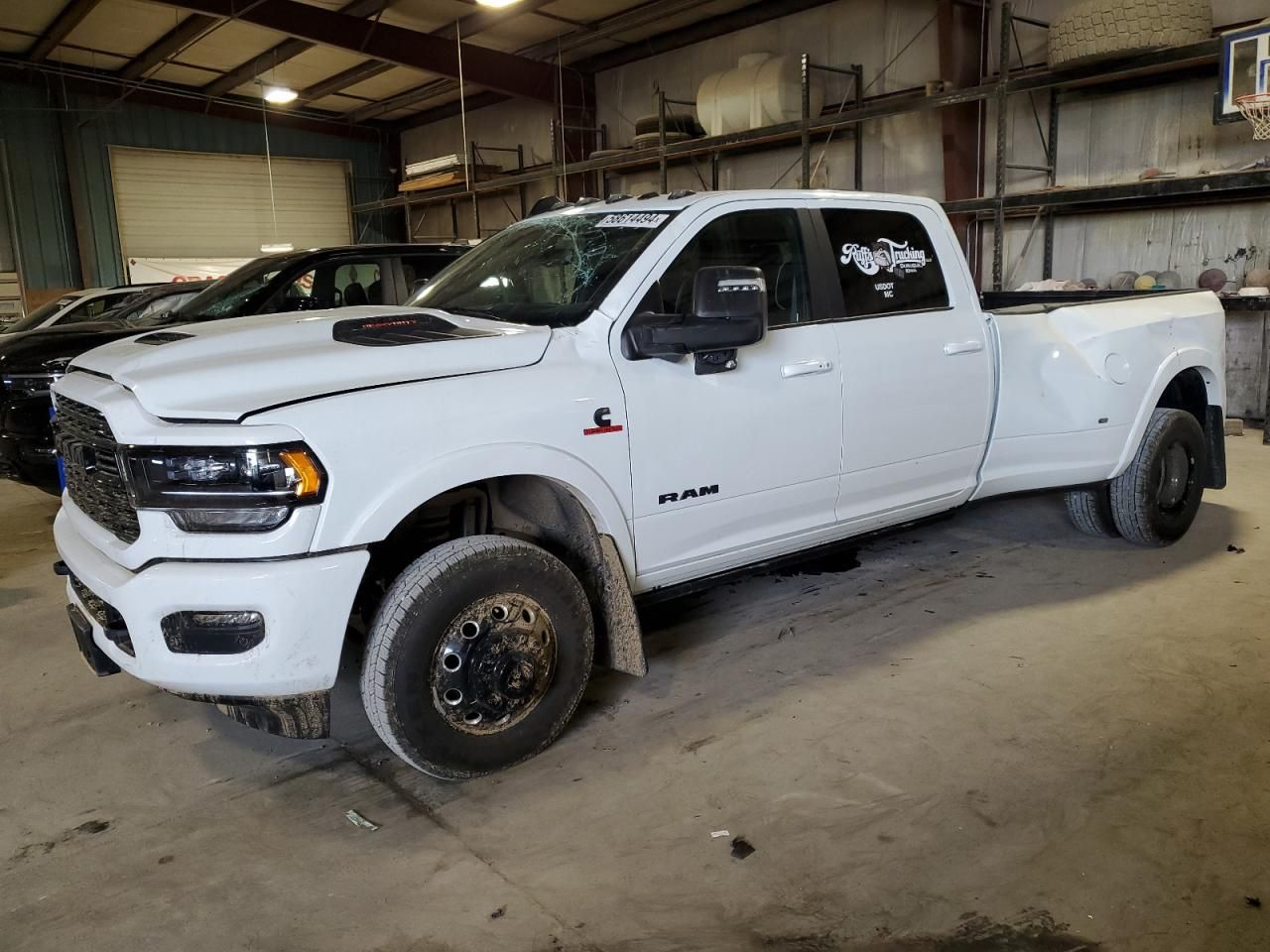
2. Ram 3500


The Ram 3500 is another top contender in the towing capacity arena, with a maximum capacity of up to 37,100 pounds when equipped with the high-output Cummins® Turbo Diesel I6 engine. Known for its durability and ruggedness, the Ram 3500 is built to handle the toughest jobs, offering features like the Fifth-Wheel/Gooseneck Prep Package and an available Auto-Level Rear Air Suspension for a smoother towing experience.


Thinking about a Ram 3500? Visit SalvageReseller.com to explore salvage options that could save you thousands on this heavy-duty truck.


3. Chevrolet Silverado 3500HD


The Chevrolet Silverado 3500HD is a powerhouse with a towing capacity of up to 36,000 pounds when equipped with the available Duramax® 6.6L Turbo-Diesel V8 engine. It’s designed for maximum performance, offering advanced trailering technology such as the Advanced Trailering System and 15 available camera views to help you navigate and control your load with confidence.


Looking for a Chevrolet Silverado 3500HD? Discover salvage deals at SalvageReseller.com and find a truck that can be repaired and customized to meet your towing needs at a fraction of the cost.


By opting for a salvage truck from SalvageReseller.com, you can get one of these top towing machines at a significantly lower price. With a little restoration work, you can turn a salvage truck into a reliable, high-performance vehicle ready for the toughest jobs.