
Who Really Controls How Auction Cars Are Sold

One of the biggest misconceptions among buyers is assuming that SalvageReseller decides when a vehicle becomes Buy It Now. That’s not the case.


  • Copart controls the auction format

  • The seller (insurance company, dealer, fleet owner) sets the rules

  • SalvageReseller displays those options and allows you to buy or bid as a Copart-authorized broker


When a vehicle switches from auction to Buy It Now, it’s because the seller has changed their strategy, not because the platform did.


The Most Common Triggers That Activate Buy It Now


1. The Vehicle Failed to Sell at Auction


This is the most common trigger. When a vehicle:


  • Receives bids

  • But does not meet the seller’s reserve price

  • And goes unsold


The seller may decide to:


  • Stop waiting for future auction cycles

  • Avoid additional listing and storage fees

  • Set a fixed Buy It Now price to move the vehicle faster


This is especially common after multiple auction runs.


2. The Seller Wants a Guaranteed Sale Price


Auctions are unpredictable. Even popular vehicles can:


  • Attract low bids

  • Miss reserve by a small margin

  • Stall due to timing or market conditions


By switching to Buy It Now, the seller:


  • Locks in a minimum acceptable price

  • Removes bidding uncertainty

  • Allows immediate purchase


For buyers, this can mean less competition and no bidding pressure.


3. Low or Inconsistent Bidding Activity


If a vehicle shows:

  • Many watchers but few bids

  • Bids that stall early

  • No competitive momentum


The seller may interpret that as weak auction demand and convert the listing to Buy It Now. This often happens with:


  • Specialty vehicles

  • High-end cars

  • Vehicles that need a specific buyer profile


4. Time Pressure on the Seller’s Side


Some sellers operate under internal deadlines. Examples include:


  • Insurance inventory aging limits

  • End-of-quarter clearance

  • Yard capacity constraints


When time becomes more important than maximizing price, Buy It Now becomes the fastest exit strategy.


5. Market Conditions Changed


Vehicle values fluctuate constantly. A seller may adjust strategy when:


  • Similar vehicles start selling for less

  • Market demand cools

  • Seasonal trends shift


Rather than risk repeated auction failures, the seller may switch to Buy It Now while pricing is still competitive.


Why Buy It Now Can Be a Strategic Advantage for Buyers


Many experienced buyers actively look for Buy It Now vehicles.


Here’s why:

  • No bidding wars

  • No waiting for auction day

  • No risk of being outbid at the last second

  • Immediate price certainty


On SalvageReseller, you can also:


  • See the final estimated cost upfront

  • Use the cost calculator to factor in fees and transportation

  • Decide instantly whether the deal makes sense for your budget


Important Detail: Buy It Now Can Disappear


Buy It Now is not permanent.

If:

  • The seller removes the option

  • The vehicle is relisted

  • Market conditions change


The listing may return to auction format. That’s why timing matters.

If Buy It Now fits your numbers, waiting too long can mean losing the opportunity.


How SalvageReseller Helps You Decide Faster


When a vehicle switches to Buy It Now on SalvageReseller, you can immediately:


  • See the Buy It Now price

  • Review vehicle details and condition

  • Calculate your estimated total cost

  • Check transportation estimates

  • Move forward without waiting for auction approval


This transparency is critical, especially for buyers who don’t want surprises after committing.


Final Thoughts


A vehicle doesn’t switch from auction to Buy It Now by accident. It happens because:


  • The seller wants certainty

  • The auction didn’t deliver the desired result

  • Time, cost, or market conditions changed


Knowing these triggers helps you read the market, spot real opportunities, and act with confidence.


And when you see a Buy It Now option that makes sense, remember: someone else may be looking at the same listing right now.

Why Some Auction Cars Sell Fast While Others Sit Unsold for Weeks

If you spend enough time browsing online car auctions, you’ll notice something interesting.

Some vehicles receive multiple bids almost immediately and sell quickly. Others, even at seemingly attractive prices, sit on the platform for days or weeks without much attention.


This difference is not random. It usually comes down to a combination of pricing, presentation, risk perception, and logistics. Understanding these factors can help buyers spot better opportunities and avoid overpaying.


Demand Is Driven by More Than Just Price


Many buyers assume that the cheapest cars will always sell the fastest. In reality, price alone does not determine demand.


Vehicles that sell quickly usually strike a balance between:


  • Reasonable pricing

  • Manageable risk

  • Clear cost expectations


Cars that look cheap but hide uncertainty tend to sit unsold.


Vehicle Condition and Perceived Risk


One of the biggest factors affecting how fast a car sells is perceived risk.

Vehicles with:


  • Minor or cosmetic damage

  • Clear damage descriptions

  • Run and Drive status


tend to attract more buyers because the risk feels manageable.

On the other hand, vehicles with unclear damage, multiple warnings, or complex issues often scare buyers away — even if the price is low.


Location and Transportation Impact Buyer Decisions


Location plays a much bigger role than many buyers realize.


Two identical vehicles can perform very differently depending on where they are located. Cars closer to major population centers or transport hubs usually sell faster because buyers can estimate shipping costs more easily.


Vehicles located far away or in less common locations may sit longer simply because buyers are unsure about transportation costs or timelines.


This is why tools that estimate transport costs upfront help buyers feel more confident and move faster.


Buy It Now vs Auction Format


Cars with a Buy It Now option often sell faster than auction-only listings.

Why?


Because Buy It Now:

  • Removes bidding uncertainty

  • Allows buyers to calculate total cost instantly

  • Eliminates competition pressure


Even if the Buy It Now price is slightly higher, buyers value certainty. Auction-only listings rely more heavily on timing and competition to move quickly.


Clear Cost Visibility Accelerates Sales


Listings that allow buyers to estimate their total cost tend to move faster.


When buyers can:

  • Estimate fees

  • Preview transportation costs

  • Understand the likely final price


they are more willing to commit.

Cars that require buyers to guess or calculate costs manually often sit unsold longer.


Timing and Auction Behavior


Auction timing also affects how fast a vehicle sells.


Listings tend to move faster when:

  • Auctions end during high-traffic hours

  • Buyer interest is already visible

  • Early bids signal demand


Cars that receive no early attention may struggle to gain momentum later, even if the price drops.


Market Preferences Matter


Some vehicles naturally sell faster due to market preferences.


Examples include:

  • Popular daily drivers

  • Trucks and SUVs

  • Vehicles with strong resale demand

  • Models known for reliability


Less common or niche vehicles may take longer to sell, regardless of price.


Why Some “Good Deals” Sit Unsold


A vehicle can look like a good deal on paper and still sit unsold because of:


  • Unclear damage details

  • Complex title issues

  • High transportation uncertainty

  • Poor buyer confidence


Buyers are often willing to pay slightly more for clarity and predictability.


What Buyers Can Learn From Unsold Vehicles


Unsold cars are not necessarily bad — but they usually require deeper analysis.


Experienced buyers look at these listings to:

  • Negotiate using Buy It Now when available

  • Identify overlooked opportunities

  • Spot vehicles where fear outweighs actual risk


Understanding why a car hasn’t sold helps buyers decide whether it’s a hidden opportunity or a deal to avoid.


Final Thoughts


Cars that sell fast at online auctions do so because buyers feel confident about the total picture — not just the price.


Vehicles that sit unsold usually suffer from uncertainty, not lack of value.


By understanding what drives buyer confidence and how tools like cost and transportation estimates reduce hesitation, buyers can make smarter decisions and spot opportunities others overlook.


Auction Photo Forensics: How to Read Copart Listings Like a Pro

Buying through online auctions lives or dies by the photos. The right 10–15 images can reveal thousands of dollars in hidden risk—or show you a gem others overlook. This guide teaches you how to “read” listing photos like a forensic inspector, spot deal-breakers before you bid, and use SalvageReseller tools to verify what you see.


Why photos matter more than you think


In fast-moving auctions, you won’t always see the car in person. Photos become your first (and sometimes only) inspection layer. Pair what you spot with a VIN report, past Price History results, and—when in doubt—a 3rd-party lot inspection to protect your budget and timeline. SalvageReseller.com


1) Decode the listing anatomy (so you know where to zoom first)


Before zooming into pixels, scan the basics that shape your risk:


  • Title status & documents (salvage, non-repairable, clean, prior theft, flood branding).

  • Primary/secondary damage and run & drive status.

  • Sale type (auction vs. Buy It Now) and yard location for transport math.

  • Photo set quality (angles covered, lighting, duplicates).
    Experienced buyers combine these with a quick fee and transport estimate to set a hard ceiling before bidding.SalvageReseller.com


2) Flood red flags: the 11 tells that photos give away


Flood cars can be profitable—if you catch the level and exposure early. Look for:

  1. Waterline on door cards, seat bases, or trunk liners (a horizontal dirt/tide mark).

  2. Silt/sand in carpet weave, seat rails, trunk spare-wheel well, or cup holders.

  3. Condensation inside headlamps/taillamps after sunny photos (fogging).

  4. Surface rust on seat frames, pedal hinges, or unpainted bolts.

  5. Green/corrosion bloom on battery terminals, ground straps, or under-hood fuses.

  6. Mildew patterns on belts, fabric, or headliner.

  7. New carpets/floor mats with old pedals and worn seat bolsters (mismatch = cleanup).

  8. Dirt halo under trunk trim—lifted and photographed?

  9. Foam underlay peeking near sill plates (stained or water-logged).

  10. Moisture under spare tire—ask for a shot of the spare well.

  11. Multiple “just detailed” cues (wet shine, steam haze) with otherwise dusty engine bay.


When any two flood indicators stack, treat the car as high-risk unless a paid inspection clears it. SalvageReseller lists independent inspectors by yard—use them. SalvageReseller.com


3) Frame/structure clues without a lift


Even static photos can whisper “frame work required”:

  • Panel gaps that widen toward one end (hood/bumper/door taper).

  • Buckled pinch welds and kinked rails visible through lower bumper grilles.

  • Swayed core support (radiator sits “clocked,” headlamp tabs mis-aligned).

  • Wheel setback (one wheel tucked deeper in the arch; compare left vs. right).

  • Suspension camber extremes with no matching body hit = likely bent parts.

  • Undertray missing plus fresh scrapes under bumper = subframe kiss.
    If you suspect structure, price parts and alignment time, then check the Price History of similar lots to see what repaired examples bring. SalvageReseller.com


4) Airbag & safety systems: what the camera can’t hide


  • Deployed airbags (obvious), but also look for:

    • New dash cap texture mismatch, fresh stitching on seat airbags, or off-shade A-pillars.

    • Seatbelt pretensioner lockup (belts won’t retract fully, webbing frayed at latch).

    • SRS covers mis-seated on wheel or pillars.

  • Windshield cracks near mirror base can imply sensor/camera replacement (ADAS), raising recalibration costs.
    A single driver/curtain deployment can multiply costs; plan parts, color-match, and re-calibration in your ceiling price.


5) Engine bay & fluids in photos


Ask for (or zoom into) shots that show:

  • Hood latch area (buckles, shifted latch = front impact energy).

  • Strut towers (ripples in paint seam sealer, cracked epoxy).

  • Reservoir clarity: chocolate milk coolant or milky oil cap = contamination.

  • Missing plastics (airboxes, engine covers) = “parts-swapped” donor clues.
    If fluids look wrong, order a VIN report and consider an on-site inspection before bidding. SalvageReseller.com


6) Interior truth-telling (beyond “clean”)


  • Pedal rubber vs. odometer wear parity.

  • Steering wheel shine vs. claimed miles.

  • Moisture map under rear seats and cargo floor (flood indicator #12).

  • Aftermarket wiring at kick panels (amplifiers/trackers) = hidden battery drains.

  • Smell proxies: air fresheners taped in strange places often hide mildew.


7) Tire & brake story in two photos


  • Uneven inner-edge wear = alignment/frame concerns.

  • Mismatched tire brands/ages = cost to normalize + potential AWD risk.

  • Rotor rust ring pattern: thick rust lip after “runs and drives” claim? Re-check status.


8) Photo-set quality: a hidden negotiation lever


Thin or low-effort photo sets suppress bidder confidence. If you see:

  • Missing undercarriage, trunk well, or close-ups of the hit;

  • Night photos or wet cars only;
    —ask the yard or your inspector for specific extra frames (spare well, seat rails, under-hood fuse box). That small effort can turn a pass into a purchase. SalvageReseller.com


9) Verify what you see (don’t just trust your eyes)


Layer your photo read with objective data:

  • VIN report (title brands, prior loss type, odometer).

  • SalvageReseller Price History (past sale comps & trends to avoid overbidding).

  • Independent lot inspection (photos + mechanical checks)—find providers by yard right from SalvageReseller’s site. SalvageReseller.com


10) Your Pre-Bid Photo Forensics Checklist (copy/paste)


Exterior: waterline, panel gap taper, headlamp fogging, bumper & core support alignment, kinked crash rails, wheel setback, undertray missing

Interior: seat rail rust, carpet silt, trunk well stains, belt pretensioners, dash/airbag cover mismatch, aftermarket wiring
Engine bay: strut tower ripples, latch alignment, coolant/oil contamination, corrosion on grounds/fuses
Tires/Brakes: uneven wear, mismatched sets, rotor rust lip vs. “run & drive”
Photo set: missing undercarriage/trunk/close-ups? request more
Verify: VIN report, Price History comps, independent inspection, transport quote


Bonus: When a “bad” photo set creates opportunity


Many bidders skip listings with mediocre photos. If your checklist only raises one moderate concern (not flood or frame), get an inspection, budget conservatively, and bid. Thin photo sets often trade at a discount.


Next steps with SalvageReseller

 
  1. Shortlist vehicles and run Price History to set your ceiling. SalvageReseller.com

  2. If red flags stack up, book a salvage inspection through the directory linked from SalvageReseller. SalvageReseller.com

  3. Use our transportation partners for post-win quotes so you aren’t surprised by delivery costs. SalvageReseller.com


FAQ

Is relying on photos enough?
Not for flood or structure risk. Use photos to triage, then confirm with VIN history, comps, and (ideally) an on-site inspection. SalvageReseller.com


Can I ask for more photos?

Yes—request specific angles (spare-well, seat rails, under-hood fuse box). If the auction can’t provide them, consider a paid inspection. SalvageReseller.com


How do I avoid overpaying if pictures look great?
Anchor bids to Price History comps and total landed cost (fees + transport + repairs). If two flood or one structural red flag appears, lower your ceiling or pass. SalvageReseller.com


Signs That a Salvage Vehicle Could Be a Good Investment

Investing in salvage vehicles can be a lucrative venture, whether you’re looking to save on your next car purchase or aiming to flip vehicles for profit. However, not all salvage vehicles are created equal. Knowing how to identify a good investment can make a significant difference. Here are five signs that a salvage vehicle could be a smart choice for your next purchase.


1. Repairable Damage


The most telling sign of a good investment is the extent and type of damage a vehicle has sustained.


  • – Minor Collision Damage: Look for vehicles that have been involved in minor accidents but lack significant structural damage. These can often be repaired easily and affordably. For instance, vehicles with a damaged fender or bumper may cost less to fix compared to those needing extensive bodywork.


  • – Cosmetic Issues: Scratches, dents, or paint imperfections often indicate cosmetic damage that can be repaired at a low cost. Focus on vehicles needing primarily cosmetic work, as they can significantly increase in value once restored.

For more insights on repairable damages, check out our Vehicle Inspection Guide.


2. Favorable Vehicle History Report


A thorough vehicle history report is crucial for assessing the viability of a salvage vehicle. Utilize services like ClearVin to check the following:

  • Clear Title Status: Make sure the vehicle has a salvage title rather than a junk title. A salvage title indicates that the vehicle has been deemed repairable and is eligible for resale, whereas a junk title often means it is unfit for use.


  • Minimal Past Accidents: Review the vehicle’s accident history. A vehicle that has been in only one minor accident is often a safer bet than one with multiple incidents, as repeated damages can lead to underlying issues.

For tips on obtaining a vehicle history report, visit our Understanding Vehicle Titles.


3. Strong Demand in the Market


Before purchasing a salvage vehicle, assess the market demand for that particular make and model.


  • – Popular Models: Vehicles from reputable manufacturers tend to maintain a higher resale value. Research makes and models that are currently in demand to ensure you’re investing wisely.


  • – Seasonal Trends: Recognize that certain vehicles may be more desirable during specific seasons. For example, convertibles may sell better in the summer months, while SUVs might be more appealing in the winter.


4. Comprehensive Inspection Reports


A comprehensive vehicle inspection can save you from unexpected expenses down the road.


  • – Professional Inspections: Hiring a certified mechanic to evaluate the vehicle can uncover hidden issues and provide an estimate of repair costs. This can prevent you from overbidding on a vehicle that may need extensive work.


  • – Maintenance Records: If the previous owner has maintained the vehicle well and kept records of repairs, this is a positive sign. A well-maintained vehicle is more likely to perform reliably after repairs.


5. Potential for Value Appreciation


Some salvage vehicles can appreciate over time, especially rare or classic models. Look for indicators of potential appreciation:


  • – Classic Cars: Classic or vintage vehicles can be a great investment if they are salvageable. Once restored, these vehicles can fetch significantly higher prices. Research models that have a history of appreciation to ensure a wise investment.


  • – Limited Editions: Limited edition vehicles often retain their value well, even in salvage condition. If you come across a limited edition model, it could be worth pursuing, provided the damage is manageable.


Identifying a salvage vehicle that could be a good investment requires a keen eye and thorough research. By looking for signs of repairable damage, obtaining favorable vehicle history reports, recognizing market demand, securing comprehensive inspection reports, and understanding potential for value appreciation, you can make informed decisions that lead to successful purchases. With the right approach, salvage vehicles can offer incredible opportunities for savings or profit.


Top Selling Salvage Pickup Trucks of 2024

The pickup truck market continues to thrive in 2024, with salvage vehicles being an excellent option for those looking for quality trucks at a fraction of the price. Whether you’re searching for a workhorse, an off-road champion, or a family vehicle, salvage auctions offer a wide variety of pickup trucks. At SalvageReseller.com, we make it easy for you to access Copart’s auctions without needing a dealer’s license, bringing you the best deals on top-selling trucks.


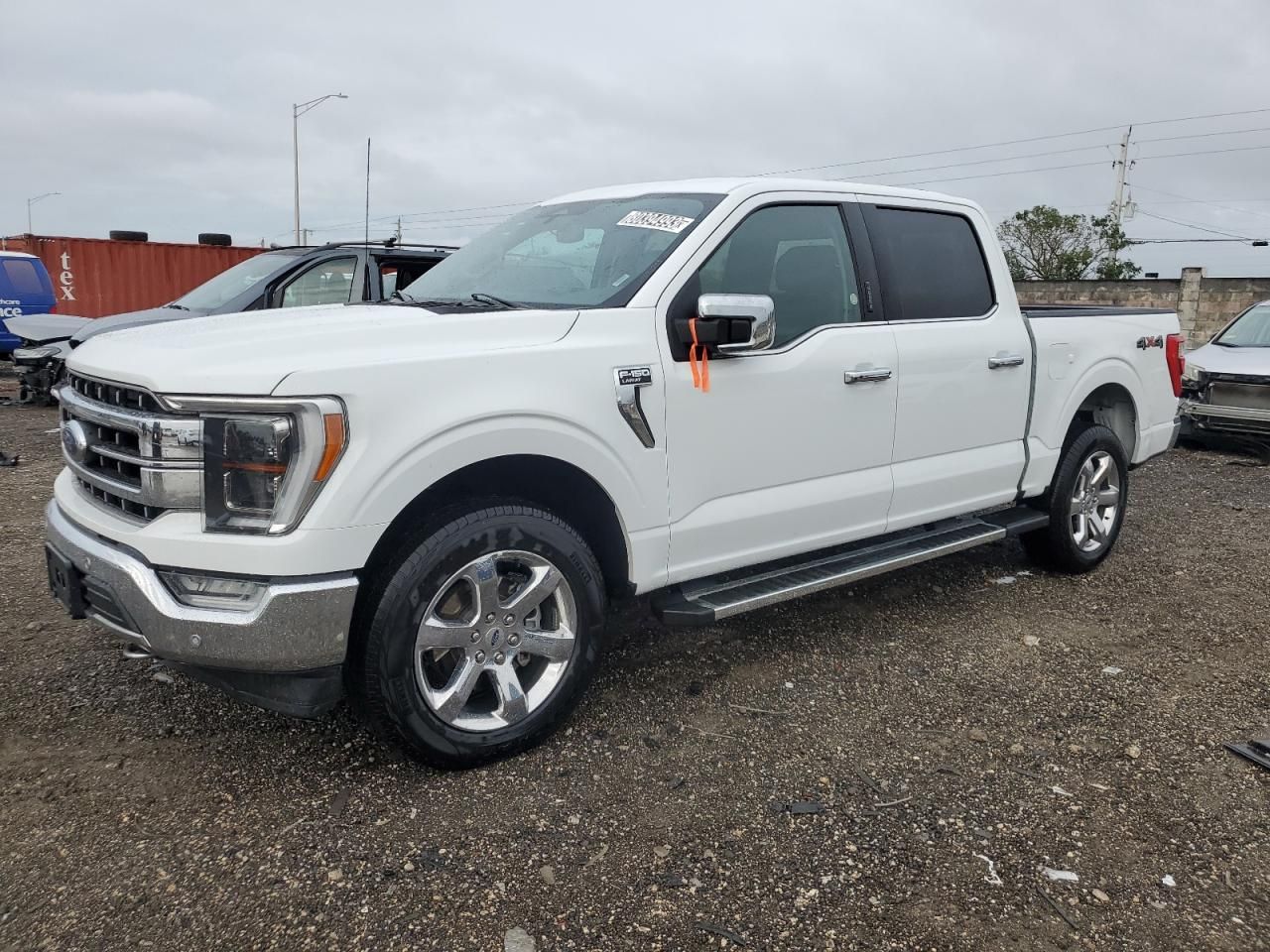
1. Ford F-150


The Ford F-150 remains one of the best-selling salvage trucks in 2024. Known for its reliability, performance, and towing capacity, the F-150 is a favorite among buyers looking for a truck that can do it all. Salvage models of the F-150 are often available at a fraction of the cost, making it a great choice for those seeking an affordable yet powerful truck. Whether it’s front-end damage, flood exposure, or minor wear and tear, many of these trucks are easily repairable and ready to hit the road again.


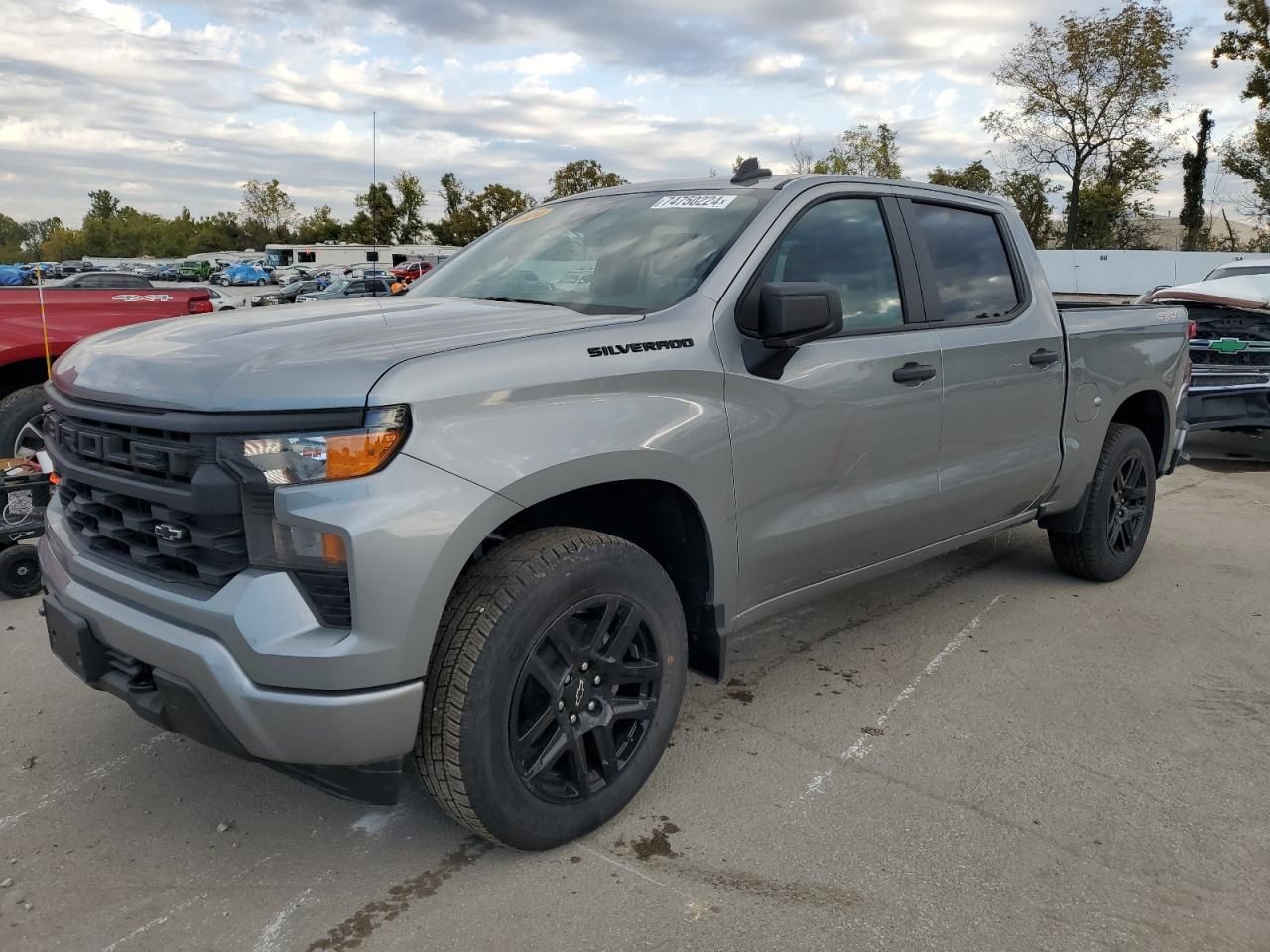
2. Chevrolet Silverado 1500


Another top seller in salvage auctions this year is the Chevrolet Silverado 1500. Offering a range of powerful engines and a durable design, this truck is popular among those in construction, farming, and heavy-duty towing. Many buyers opt for salvage Silverados that have minimal damage, such as cosmetic dents or light body work, making them a steal at auction. SalvageReseller.com provides access to hundreds of Silverado listings through Copart, giving buyers a variety of models to choose from.


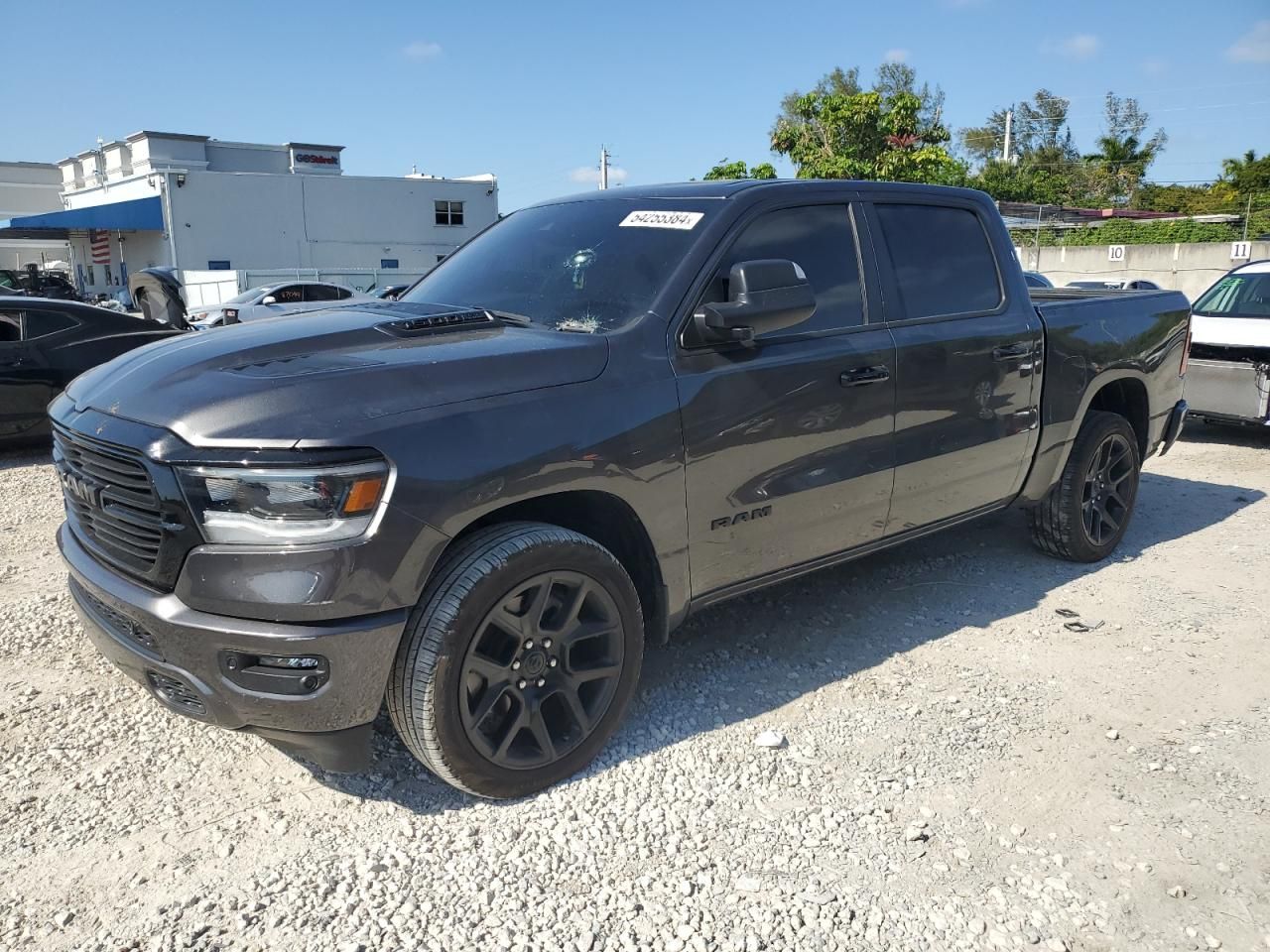
3. Ram 1500


The Ram 1500 is a crowd-pleaser when it comes to comfort, technology, and capability. It’s no surprise that it’s one of the most sought-after salvage pickups in 2024. Buyers love its smooth ride and luxurious interior, and salvage auctions offer a variety of Ram 1500s with different types of damage, from light frame damage to flood or hail impact. At SalvageReseller.com, we provide detailed listings that help you assess the condition and repair potential of each Ram 1500 available at auction.


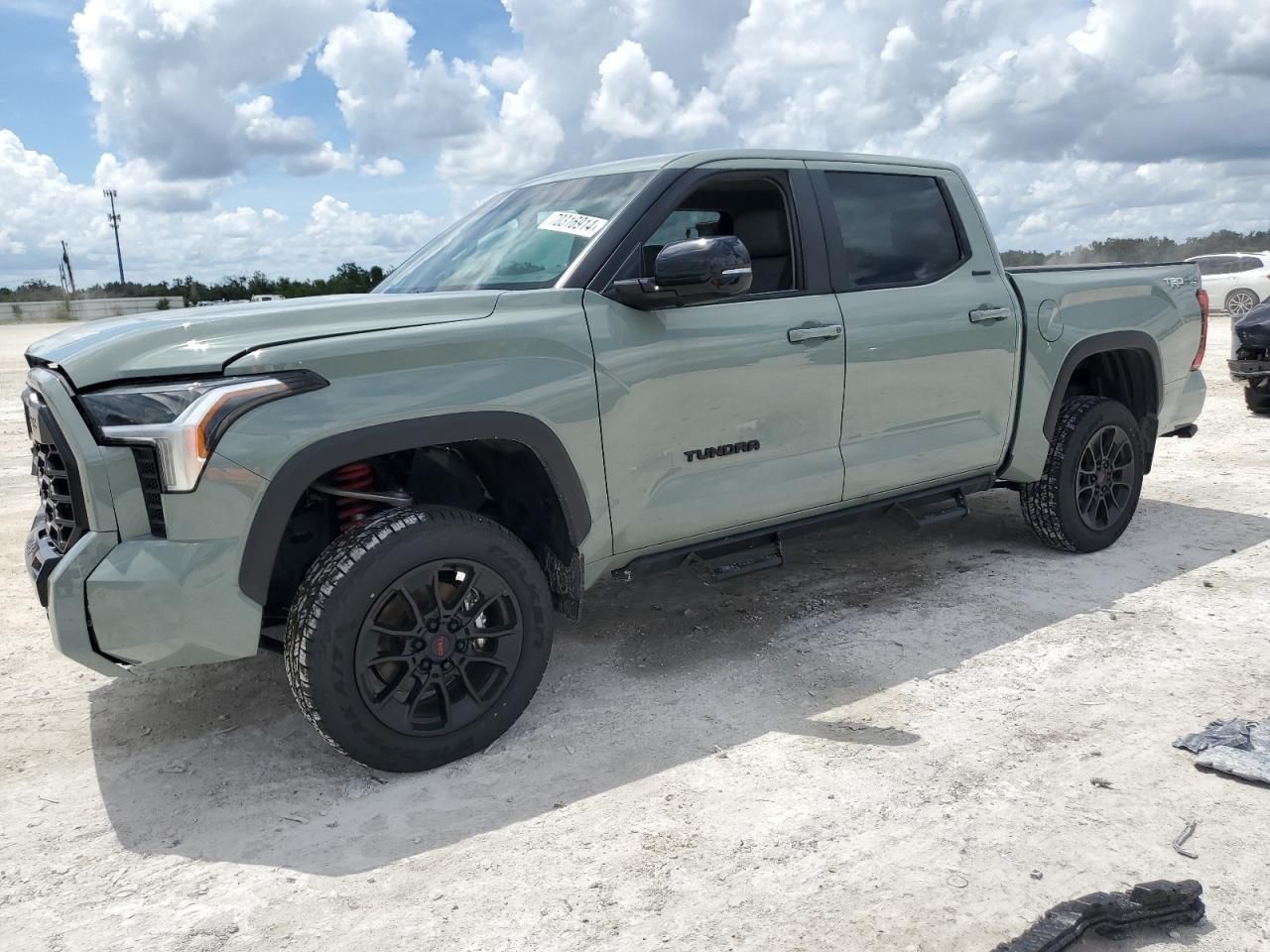
4. Toyota Tundra


Known for its durability and reliability, the Toyota Tundra is another top-selling salvage truck this year. Its robust build and off-road capabilities make it a favorite for buyers who need a truck that can withstand tough conditions. Salvage Tundras are commonly available with minor damage such as front-end collisions or wear from extended use, and they are often sold at deep discounts. With SalvageReseller.com, you can find a wide selection of Toyota Tundras ready to be restored to their former glory.


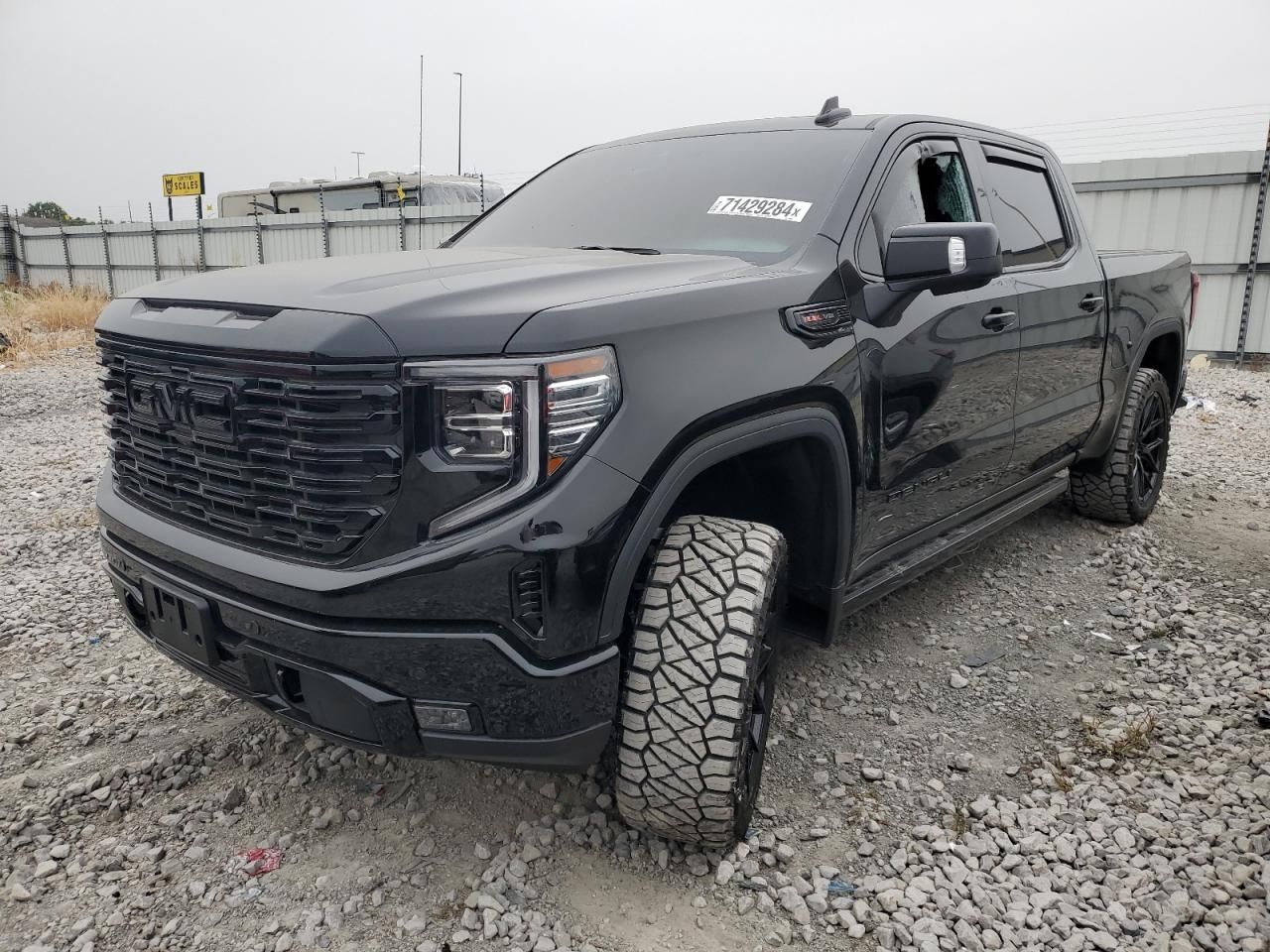
5. GMC Sierra 1500


Rounding out our list is the GMC Sierra 1500, a popular choice for those looking for a combination of performance, luxury, and technology. The Sierra 1500 offers a high level of customization, and even salvage models come equipped with premium features. Many buyers are able to find Sierra 1500s at auction with repairable damage, from minor dents to more extensive bodywork. SalvageReseller.com offers access to these auctions, allowing buyers to purchase and repair these premium trucks at a fraction of the cost.


Why Choose SalvageReseller.com for Your Pickup Truck Purchase?


At SalvageReseller.com, we are an authorized broker of Copart, one of the largest online salvage auction platforms in the world. Our platform allows you to bid on and purchase vehicles without the need for a dealer’s license, giving you direct access to thousands of salvage vehicles. Here’s why SalvageReseller.com is the best place to buy your next pickup truck:


– Wide Selection: With access to Copart’s extensive inventory, you’ll find a variety of makes and models, including top-selling trucks like the Ford F-150, Chevrolet Silverado, and more.

– No Dealer’s License Required: We eliminate the hassle of needing a dealer’s license, so you can participate in auctions easily.

– Detailed Listings: Our platform provides comprehensive vehicle information, including damage reports, photos, and history, so you can make informed decisions.

– Affordable Prices: Salvage vehicles can be purchased for a fraction of the cost of new trucks, offering significant savings for budget-conscious buyers.


If you’re in the market for a reliable pickup truck at a great price, salvage auctions are a fantastic option. Head over to SalvageReseller.com to browse the latest listings and start bidding on your next truck today!