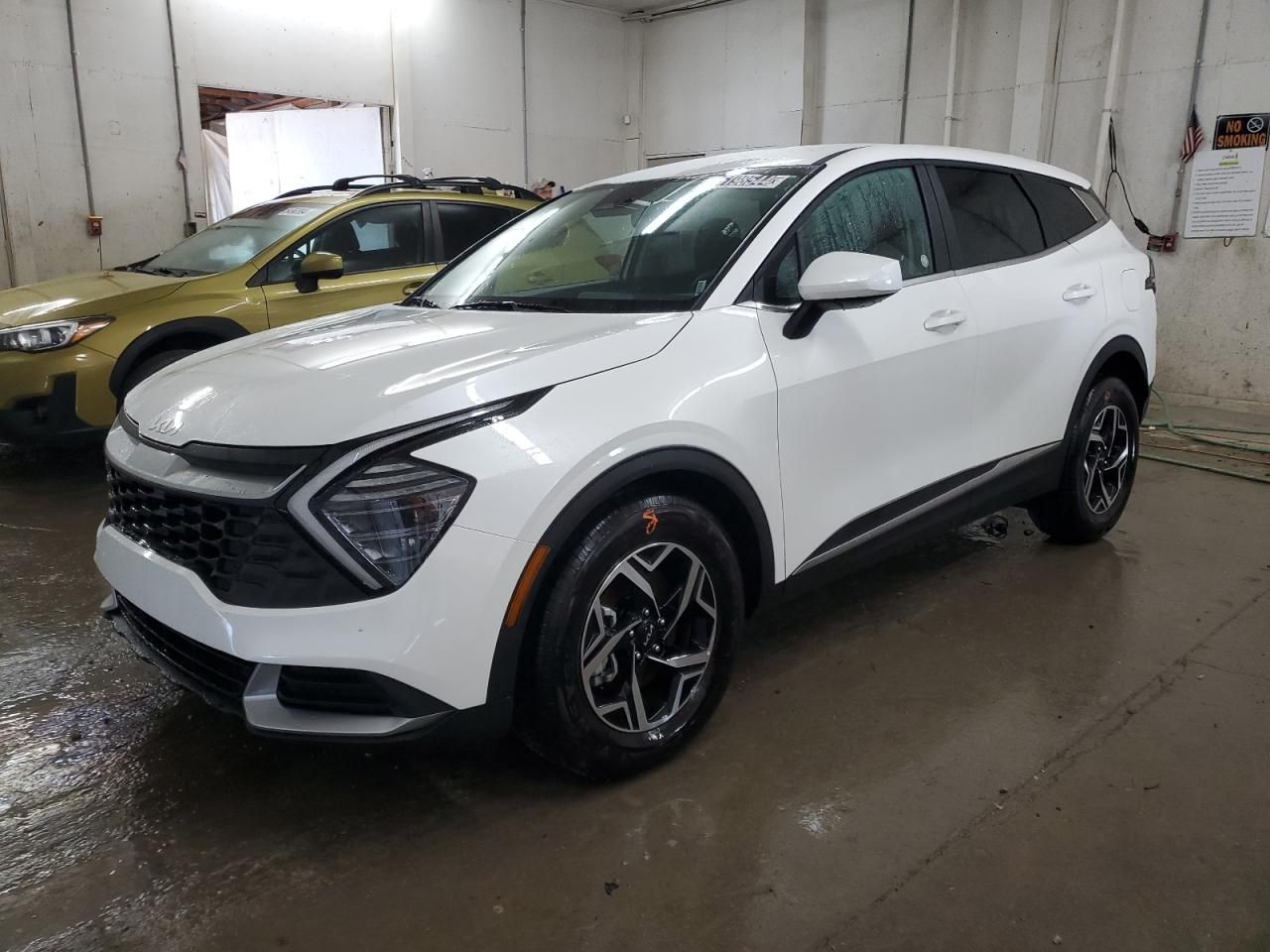

Auction Photo Forensics: How to Read Copart Listings Like a Pro

Buying through online auctions lives or dies by the photos. The right 10–15 images can reveal thousands of dollars in hidden risk—or show you a gem others overlook. This guide teaches you how to “read” listing photos like a forensic inspector, spot deal-breakers before you bid, and use SalvageReseller tools to verify what you see.


Why photos matter more than you think


In fast-moving auctions, you won’t always see the car in person. Photos become your first (and sometimes only) inspection layer. Pair what you spot with a VIN report, past Price History results, and—when in doubt—a 3rd-party lot inspection to protect your budget and timeline. SalvageReseller.com


1) Decode the listing anatomy (so you know where to zoom first)


Before zooming into pixels, scan the basics that shape your risk:


  • Title status & documents (salvage, non-repairable, clean, prior theft, flood branding).

  • Primary/secondary damage and run & drive status.

  • Sale type (auction vs. Buy It Now) and yard location for transport math.

  • Photo set quality (angles covered, lighting, duplicates).
    Experienced buyers combine these with a quick fee and transport estimate to set a hard ceiling before bidding.SalvageReseller.com


2) Flood red flags: the 11 tells that photos give away


Flood cars can be profitable—if you catch the level and exposure early. Look for:

  1. Waterline on door cards, seat bases, or trunk liners (a horizontal dirt/tide mark).

  2. Silt/sand in carpet weave, seat rails, trunk spare-wheel well, or cup holders.

  3. Condensation inside headlamps/taillamps after sunny photos (fogging).

  4. Surface rust on seat frames, pedal hinges, or unpainted bolts.

  5. Green/corrosion bloom on battery terminals, ground straps, or under-hood fuses.

  6. Mildew patterns on belts, fabric, or headliner.

  7. New carpets/floor mats with old pedals and worn seat bolsters (mismatch = cleanup).

  8. Dirt halo under trunk trim—lifted and photographed?

  9. Foam underlay peeking near sill plates (stained or water-logged).

  10. Moisture under spare tire—ask for a shot of the spare well.

  11. Multiple “just detailed” cues (wet shine, steam haze) with otherwise dusty engine bay.


When any two flood indicators stack, treat the car as high-risk unless a paid inspection clears it. SalvageReseller lists independent inspectors by yard—use them. SalvageReseller.com


3) Frame/structure clues without a lift


Even static photos can whisper “frame work required”:

  • Panel gaps that widen toward one end (hood/bumper/door taper).

  • Buckled pinch welds and kinked rails visible through lower bumper grilles.

  • Swayed core support (radiator sits “clocked,” headlamp tabs mis-aligned).

  • Wheel setback (one wheel tucked deeper in the arch; compare left vs. right).

  • Suspension camber extremes with no matching body hit = likely bent parts.

  • Undertray missing plus fresh scrapes under bumper = subframe kiss.
    If you suspect structure, price parts and alignment time, then check the Price History of similar lots to see what repaired examples bring. SalvageReseller.com


4) Airbag & safety systems: what the camera can’t hide


  • Deployed airbags (obvious), but also look for:

    • New dash cap texture mismatch, fresh stitching on seat airbags, or off-shade A-pillars.

    • Seatbelt pretensioner lockup (belts won’t retract fully, webbing frayed at latch).

    • SRS covers mis-seated on wheel or pillars.

  • Windshield cracks near mirror base can imply sensor/camera replacement (ADAS), raising recalibration costs.
    A single driver/curtain deployment can multiply costs; plan parts, color-match, and re-calibration in your ceiling price.


5) Engine bay & fluids in photos


Ask for (or zoom into) shots that show:

  • Hood latch area (buckles, shifted latch = front impact energy).

  • Strut towers (ripples in paint seam sealer, cracked epoxy).

  • Reservoir clarity: chocolate milk coolant or milky oil cap = contamination.

  • Missing plastics (airboxes, engine covers) = “parts-swapped” donor clues.
    If fluids look wrong, order a VIN report and consider an on-site inspection before bidding. SalvageReseller.com


6) Interior truth-telling (beyond “clean”)


  • Pedal rubber vs. odometer wear parity.

  • Steering wheel shine vs. claimed miles.

  • Moisture map under rear seats and cargo floor (flood indicator #12).

  • Aftermarket wiring at kick panels (amplifiers/trackers) = hidden battery drains.

  • Smell proxies: air fresheners taped in strange places often hide mildew.


7) Tire & brake story in two photos


  • Uneven inner-edge wear = alignment/frame concerns.

  • Mismatched tire brands/ages = cost to normalize + potential AWD risk.

  • Rotor rust ring pattern: thick rust lip after “runs and drives” claim? Re-check status.


8) Photo-set quality: a hidden negotiation lever


Thin or low-effort photo sets suppress bidder confidence. If you see:

  • Missing undercarriage, trunk well, or close-ups of the hit;

  • Night photos or wet cars only;
    —ask the yard or your inspector for specific extra frames (spare well, seat rails, under-hood fuse box). That small effort can turn a pass into a purchase. SalvageReseller.com


9) Verify what you see (don’t just trust your eyes)


Layer your photo read with objective data:

  • VIN report (title brands, prior loss type, odometer).

  • SalvageReseller Price History (past sale comps & trends to avoid overbidding).

  • Independent lot inspection (photos + mechanical checks)—find providers by yard right from SalvageReseller’s site. SalvageReseller.com


10) Your Pre-Bid Photo Forensics Checklist (copy/paste)


Exterior: waterline, panel gap taper, headlamp fogging, bumper & core support alignment, kinked crash rails, wheel setback, undertray missing

Interior: seat rail rust, carpet silt, trunk well stains, belt pretensioners, dash/airbag cover mismatch, aftermarket wiring
Engine bay: strut tower ripples, latch alignment, coolant/oil contamination, corrosion on grounds/fuses
Tires/Brakes: uneven wear, mismatched sets, rotor rust lip vs. “run & drive”
Photo set: missing undercarriage/trunk/close-ups? request more
Verify: VIN report, Price History comps, independent inspection, transport quote


Bonus: When a “bad” photo set creates opportunity


Many bidders skip listings with mediocre photos. If your checklist only raises one moderate concern (not flood or frame), get an inspection, budget conservatively, and bid. Thin photo sets often trade at a discount.


Next steps with SalvageReseller

 
  1. Shortlist vehicles and run Price History to set your ceiling. SalvageReseller.com

  2. If red flags stack up, book a salvage inspection through the directory linked from SalvageReseller. SalvageReseller.com

  3. Use our transportation partners for post-win quotes so you aren’t surprised by delivery costs. SalvageReseller.com


FAQ

Is relying on photos enough?
Not for flood or structure risk. Use photos to triage, then confirm with VIN history, comps, and (ideally) an on-site inspection. SalvageReseller.com


Can I ask for more photos?

Yes—request specific angles (spare-well, seat rails, under-hood fuse box). If the auction can’t provide them, consider a paid inspection. SalvageReseller.com


How do I avoid overpaying if pictures look great?
Anchor bids to Price History comps and total landed cost (fees + transport + repairs). If two flood or one structural red flag appears, lower your ceiling or pass. SalvageReseller.com

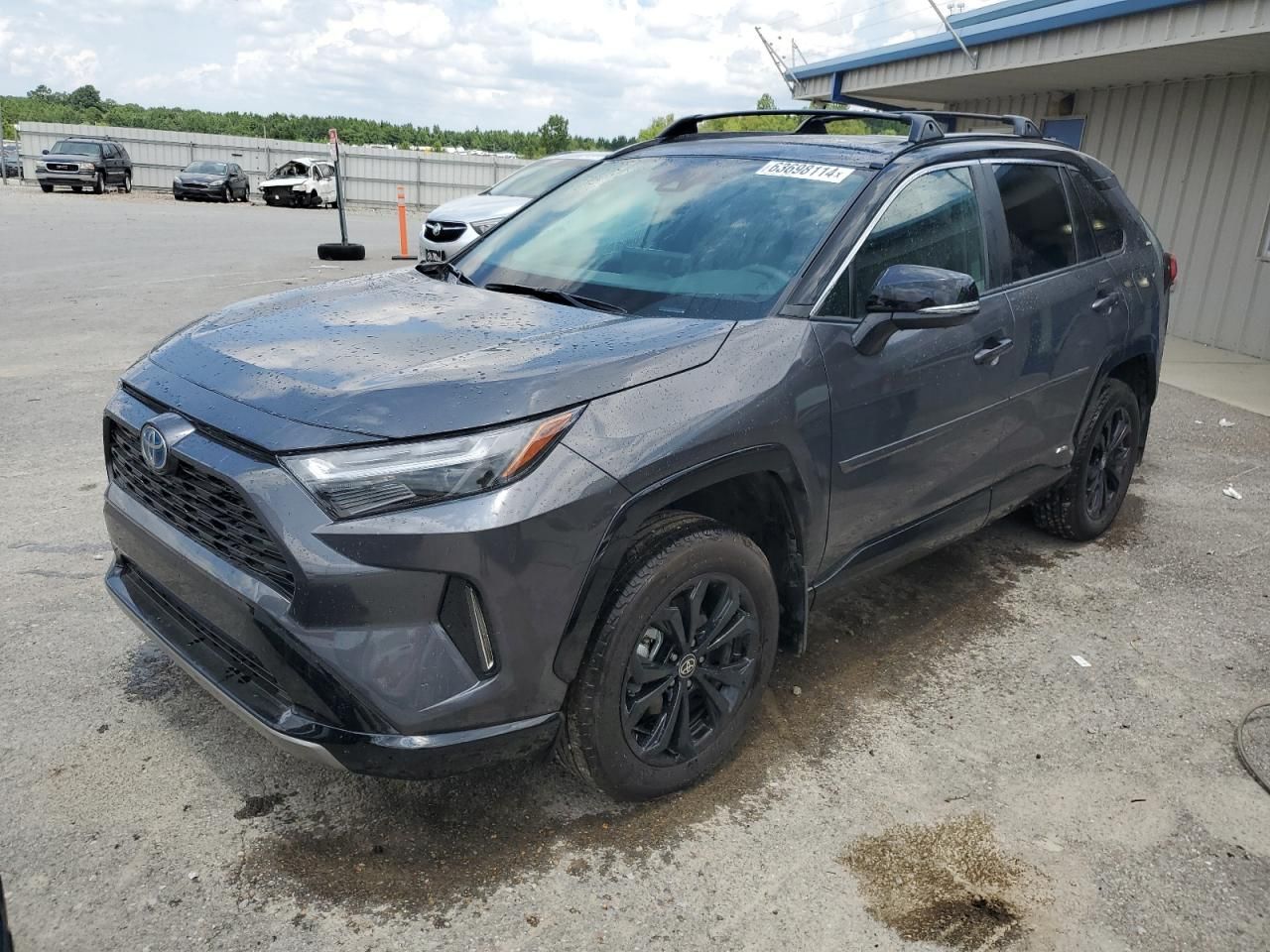

How to Sell Your Car at Auction: Step-by-Step Guide + Pro Tips

Selling a car sounds easy until you try it. Countless messages, low offers, no-shows, and uncomfortable meetings; selling your old car can seem like a full-time job. But what if there was a quicker, simpler method that avoids all the trouble?


Car auctions are that way.They are quick, effective, and frequently more lucrative, particularly if your vehicle isn’t in ideal shape. This guide will outline the detailed procedure for selling your car at an auction in the auto auction USA market. No matter if you have a polished commuter or a scratched-up project vehicle, this guide will assist you in maximizing its value.


Why Sell Your Car at Auction?


If you’ve never considered an auction before, you’re not alone. Most people assume auctions are just for rare classics or dealers. Not true.Selling through an auction, especially on platforms that cater to buyers who purchase salvage vehicles, can offer huge advantages:


  • Speed: Cars often sell within days, not weeks.
  • Visibility: Your vehicle is shown to thousands of buyers across the auto auction USA market.
  • Less Stress: No strangers at your door, no back-and-forth negotiations.
  • Competitive Offers: Bidders can drive the price higher than you expect.


And here’s the best part: even cars with damage, salvage titles, or mechanical issues can sell well. Some buyers are specifically looking for that.


Step 1: Pick the Right Auction Platform


All auctions are not created equal.If your car is clean and in great shape, a public auction might work. But if it has issues, or if you simply want access to more serious buyers, consider dealer auctions. These are where pros, mechanics, rebuilders, and resellers hunt for deals.


The catch? Dealer auctions usually require a license.That’s where working with a licensed broker like Salvage Reseller gives you an edge. They give private sellers access to top-tier platforms like Copart, where many buyers go to purchase salvage vehicles and fixer-uppers every day.With the right partner, you’re not just selling a car, you’re selling it in the best possible marketplace.


Step 2: Get Your Paperwork Ready


Before you list your car, make sure you’ve got your documents in order. Here’s what most auctions require:


  • Vehicle Title (clean, salvage, or rebuilt)
  • Lien Release if you had a loan
  • Odometer Disclosure (usually part of the title)
  • Damage Disclosure if applicable


If you’re selling through a platform that works with buyers who often purchase salvage vehicles, damage disclosure isn’t a dealbreaker; it’s expected. Just be honest.


Step 3: Determine the Right Price


One of the most common mistakes sellers make is overpricing their car.Buyers at auctions are savvy; they know what vehicles are worth, especially in the auto auction USA market. So do your research.Look at similar listings:


  • Year, make, and model
  • Mileage
  • Condition
  • Title status


You can set a reserve price if you want a safety net. That’s the minimum amount you’re willing to accept. But if you’re confident in your listing and using a broker like Salvage Reseller, you might want to let the bidding run wild. Sometimes, no reserve means more eyes, more bids, and a higher final price.


Step 4: Prep Your Vehicle to Sell


No, it doesn’t need to look like it just rolled out of a showroom, but a little effort goes a long way. Buyers make snap judgments. If your listing looks rough or confusing, they’ll scroll right past it. Even if your vehicle is being sold for parts or needs repairs, a clean and detailed listing builds trust.


Here’s how to present your car well:

  • Wash the exterior and vacuum the interior
  • Take clear, well-lit photos from every angle
  • Highlight the good (new tires, recent repairs)
  • Disclose the bad (accidents, damage, mechanical issues)


The goal isn’t perfection, it’s honesty and clarity. Serious buyers, especially those who purchase salvage vehicles, want the full story.


Step 5: List Your Car and Go Live


This is where the magic happens.With a platform such as Salvage Reseller, you will go through a straightforward listing procedure that involves:

  • Vehicle information (VIN, mileage, specs)
  • Title status (clean, salvage, rebuilt)
  • Description (condition, recent work, known issues)
  • Photo upload


Once your listing is approved, it goes live, reaching thousands of potential buyers all across the auto auction USA network. And then the bidding begins.


Step 6: Watch the Bids Roll In


Auctions generally last for several days. Certain bids arrive ahead of time, whereas others intensify in the closing moments. If you’ve established a reserve, you’ll receive a notification once it’s reached. If you’ve gone without a reserve, expect a fast and exciting finish. Competitive bidding can drive the price higher than you imagined.


During the entire process, a broker such as Salvage Reseller ensures you stay informed, so you’re never uncertain about what is occurring.


Step 7: Finalize the Sale and Hand It Off


Once the auction ends and a winner is confirmed, here’s what happens:


  • Payment is collected securely through the platform
  • The buyer arranges for pickup or transport
  • You transfer the title
  • The deal is done


Just like that, your car is sold, and without the stress of private listings or time-wasting messages.


Pro Tips for a Successful Auction Sale


Want to go from good to great? Use these tried-and-true tips from sellers who’ve been there:


1. Be Transparent

Buyers who purchase salvage vehicles expect flaws, but they need accurate information to bid confidently.


2. Set a Competitive Starting Price

Don’t scare off early interest with a high opening bid. Let the market build momentum.


3. Use a Trusted Broker

Selling through Salvage Reseller means less guesswork, faster listings, and better access to top-tier auction buyers.


4. Stay Available

Respond quickly to platform questions or updates. A smooth process encourages serious buyers to follow through.


Frequently Asked Questions (FAQ)


  1. Are cars that have been salvaged or rebuilt permitted to be sold at auction?

Certainly! These vehicles are indeed highly sought after, particularly by purchasers interested in parts, restorations, or reselling. Simply state the title status clearly.


  1. Is a dealer’s license needed to sell at auction?

Not if you work with a licensed broker such as Salvage Reseller. They manage entry to dealer-exclusive auctions, enabling private sellers to post without a permit.


  1. Which documents are required to auction a car?

You will require the title, an odometer reading, a lien release if there is a loan, and a damage disclosure if applicable. That’s all.


  1. How should pricing be approached?

Begin with competition. Establish a reserve if necessary, but numerous sellers forgo it to encourage bidding wars. Allow the market to drive the price higher.


  1. What occurs post the sale of the car?

The payment is confirmed, the buyer schedules the pickup, and you hand over the title. No gatherings, no discussions, simply a quick, effortless transaction


Final Thoughts


Auctioning your car may seem unusual, yet it’s quite straightforward and remarkably efficient. Regardless of whether your vehicle operates flawlessly, requires repairs, or has a salvage title, there exists a market for it.


Thousands of buyers across the auto auction USA network are actively looking to purchase salvage vehicles and fixer-uppers every day. With the right preparation and support from a trusted platform like Salvage Reseller, your car could be the one they’re after. So if you’re ready to skip the hassle and sell your vehicle with confidence, don’t wait.


Salvage Classic Cars: Golden Opportunities for Restorers

Classic cars have always captured the imagination of car enthusiasts, collectors, and restorers alike. Whether it’s the allure of restoring a timeless vehicle or the thrill of bringing an iconic model back to life, salvage classic cars present golden opportunities. But what exactly makes buying salvage classic cars such an attractive investment for restorers?


Here, we dive into the reasons why these vehicles are hidden gems and how you can benefit from purchasing one through online salvage car auctions.


Why Salvage Classic Cars Are Worth the Investment


When it comes to salvage vehicles, most people think of damaged or heavily used cars, but classic cars that have been salvaged often have a different appeal. These vehicles, sometimes with minor damage or mechanical issues, can offer substantial value. Here’s why they’re worth your consideration:


– Lower Initial Costs: Salvage classic cars generally come with a significantly lower price tag compared to restored or well-maintained classics. Whether you’re looking to restore a muscle car or a European luxury model, buying a salvage classic can save you thousands upfront.


– Hard-to-Find Models: Many times, classic cars become available in salvage auctions due to accidents, aging, or neglect. If you’re on the hunt for a rare model, online salvage car auctions might be your best bet to find vehicles no longer in production.


– Parts Availability: For restorers, having access to original parts is crucial. Salvage auctions can be an excellent source for vehicles with intact, original parts that are otherwise hard to find in the market.


Tips for Restoring Salvage Classic Cars


Restoring a salvage classic car requires careful planning and attention to detail. Here are a few tips to keep in mind if you’re looking to take on a restoration project:


1- Thoroughly Inspect the Vehicle’s History

Before purchasing a salvage car at auction, it’s important to review its history. Look for information on the type of damage (flood, collision, or mechanical), past ownership, and title status. This can help you gauge how much work will be required during restoration.


2- Start with the Frame

If the vehicle has structural damage, start by evaluating the frame. A straight and solid frame is essential for ensuring that your restoration project will result in a safe and stable vehicle.


3- Focus on Originality

The more original parts you can retain, the higher the value of the car after restoration. Whenever possible, keep original engines, transmissions, and body panels to maintain authenticity and increase the car’s potential resale value.


4- Set a Realistic Budget

Restoring a salvage classic car can be a rewarding experience, but it’s essential to set a budget. Consider the costs of parts, labor, and potential surprises during the restoration process.


5- Leverage Online Salvage Auctions

Websites like SalvageReseller.com offer a wide range of classic cars from Copart’s online auctions. With the right tools and bidding strategies, you can secure your next restoration project without leaving your home.


How to Find Salvage Classic Cars at Auction


Online salvage auctions are one of the best places to find salvage classic cars at unbeatable prices. These platforms allow you to browse available vehicles, view detailed reports on damage, and bid in real-time. Here are some steps to help you get started:


  • – Register for an Auction Account: To participate in most salvage auctions, you’ll need to register with a licensed auto broker like SalvageReseller.com, which grants you access to Copart’s vast inventory of vehicles.


  • – Set Your Criteria: Before you start bidding, narrow down your search based on make, model, and year. You can also filter by the type of damage, which is particularly useful when looking for classic cars with minimal wear.


  • – Analyze Condition Reports: Each vehicle comes with a condition report. Be sure to study these carefully to understand the extent of the damage and estimate the costs of repairs or restoration.


  • – Place Your Bid: Once you’ve found a classic car you’re interested in, it’s time to place your bid. Stay within your budget and set a maximum limit to avoid overspending.


The Future Value of Restored Salvage Classic Cars


One of the key benefits of restoring classic cars from salvage auctions is the potential for a significant return on investment. Classic cars, especially those that have been expertly restored, often appreciate in value over time. If you choose your restoration project carefully and pay attention to authenticity and quality, you could see a substantial profit when it’s time to sell.


For example, a well-restored salvage muscle car from the 1960s or 70s can fetch a premium at classic car auctions. Similarly, European luxury models like Jaguars or Porsches from earlier decades can gain considerable value once fully restored.


Conclusion


Salvage classic cars offer a unique opportunity for restorers to breathe new life into once-forgotten vehicles. With lower costs and access to rare models, these cars are a restorer’s dream. By following the right steps and utilizing platforms like SalvageReseller.com for your auction needs, you can turn a salvage classic into a valuable and treasured piece of automotive history.


Explore SalvageReseller Memberships: Your Best Option for Buying Salvage Cars Online

When it comes to purchasing salvage vehicles online, choosing the right platform and membership is key. SalvageReseller.com offers three types of memberships—Free, Monthly, and Annual—each designed to suit different needs and budgets. Here’s why SalvageReseller is your best choice for accessing Copart’s online auctions and how each membership option can help you find the perfect salvage vehicle at a great price.


1. Free Membership


If you’re new to the world of salvage auctions or just want to browse before committing, the Free Membership is the ideal starting point. This option allows you to:


– Browse Inventory: Get a feel for the available vehicles without any upfront cost.

– Access Basic Info: See the essential details of the vehicles up for auction.

– Unlimited Bidding & Purchases: Bid on as many vehicles as you want without any limits.

– Transaction Fee: Pay just $299 or 10% of the final sale price per transaction.


The Free Membership is perfect for those who want to explore salvage auctions without a financial commitment but are prepared for a slightly higher transaction fee.


2. Monthly Membership


For those ready to actively participate in auctions, the Monthly Membership offers more features and flexibility. With this option, you can:


– Bid on Vehicles: Start placing bids on the cars, trucks, and motorcycles that catch your eye.

– Unlimited Bidding & Purchases: Participate in as many auctions as you want each month without restrictions.

– Exclusive Alerts: Get real-time notifications about auction updates and vehicle availability.

– Transaction Fee: Pay only $249 or 7% of the final sale price per transaction.

– Membership Cost: $34.99 per month.


The Monthly Membership is a great choice if you’re looking to purchase a vehicle soon and prefer a lower transaction fee compared to the Free Membership.


3. Annual Membership


The Annual Membership is the ultimate option for serious buyers and businesses. With this plan, you’ll enjoy:


  • – Unlimited Bidding & Purchases: Participate in auctions all year long without worrying about renewals or limits.
  • – Priority Support: Get fast, dedicated customer service to assist with your auction needs.
  • – Best Value: Save money with a lower cost per month and the lowest transaction fee available.
  • – Transaction Fee: Pay just $249 or 5% of the final sale price per transaction.
  • – Membership Cost: $189.99 per year.


If you’re planning to buy multiple vehicles or run a business that relies on salvage vehicles, the Annual Membership is the most cost-effective and convenient choice

.


Why SalvageReseller is Your Best Option


SalvageReseller.com stands out as the top choice for purchasing salvage vehicles through Copart auctions for several reasons:


  • – Direct Access to Copart: SalvageReseller is a licensed broker, giving you access to Copart’s extensive inventory without the need for a dealer license.
  • – User-Friendly Interface: The website is designed to make searching, bidding, and purchasing as simple as possible.
  • – Wide Selection: Whether you’re looking for cars, trucks, motorcycles, or even boats, SalvageReseller offers a wide range of salvage vehicles to choose from.
  • – Trusted Platform: With years of experience and a strong reputation, SalvageReseller is a reliable platform for both first-time buyers and seasoned auction participants.


Choosing the right membership on SalvageReseller can make your vehicle purchase smooth, affordable, and efficient. Whether you start with the Free Membership or dive into the Annual plan, you’ll find that SalvageReseller offers the best tools and support to help you succeed in the world of salvage vehicle auctions.


Save Big at the Pump: The 5 Most Fuel-Efficient SUVs in the U.S. for 2024

With gas prices always on the move, finding an SUV that sips, rather than guzzles, fuel is a smart choice. But you don’t have to sacrifice space, style, or power to save money on gas. We’ve rounded up the top five fuel-efficient SUVs of 2024 that are perfect for eco-conscious drivers. Let’s dive into these amazing rides that offer both comfort and incredible fuel savings!


1. Toyota RAV4 Hybrid: Your Eco-Friendly Adventure Buddy


The Toyota RAV4 Hybrid is a favorite among SUV lovers, and it’s easy to see why. With a fantastic 41 MPG in the city and 38 MPG on the highway, this SUV is perfect for long road trips and daily commutes alike. Plus, its roomy interior and advanced safety features make it a reliable choice for families on the go.


2. Honda CR-V Hybrid: Efficient and Versatile


The Honda CR-V Hybrid strikes the perfect balance between power and efficiency, offering up to 40 MPG in the city and 35 MPG on the highway. Its smooth ride, spacious cabin, and cutting-edge tech features make every journey enjoyable, whether you’re running errands or hitting the open road.


3. Ford Escape Hybrid: The Urban Explorer


The Ford Escape Hybrid is designed for city driving but handles the highway just as well. With an impressive 44 MPG in the city and 37 MPG on the highway, you’ll love how far you can go on a single tank. Its comfortable interior and intuitive tech make the Escape Hybrid a pleasure to drive.


4. Kia Sportage Hybrid: Stylish and Smart


The Kia Sportage Hybrid is a fresh face in the hybrid SUV scene, and it’s making a big splash. With up to 42 MPG in the city and 44 MPG on the highway, it’s as efficient as it is stylish. The Sportage Hybrid offers a high-tech interior with all the features you need to stay connected and comfortable on the road.


5. Hyundai Tucson Hybrid: Sleek and Efficient


The Hyundai Tucson Hybrid is all about sleek design and smart efficiency, delivering up to 38 MPG both in the city and on the highway. With a spacious interior and plenty of standard features, the Tucson Hybrid proves that you don’t have to compromise on style or comfort to drive an eco-friendly vehicle.


Find Your Dream SUV at SalvageReseller.com


Ready to make one of these fuel-efficient SUVs yours? Head over to SalvageReseller.com to discover amazing deals on SUVs with both clean and salvage titles. Whether you’re looking for a brand-new hybrid or a budget-friendly option, SalvageReseller has you covered.


What’s great is that you don’t need a dealer’s license to start bidding. As the most experienced broker of Copart, SalvageReseller gives you access to thousands of vehicles available in online auctions across the country. Browse today and drive home in the perfect SUV without breaking the bank!