

Which Offers Better Deals: Used Car Auction vs. Private Sellers?

Jesus Lopez


| Published: May 8, 2025 | Last updated: November 14, 2026
Purchasing a used car can be a thrill. But where should you buy it? Should you go to a used car auction or buy directly from a private seller? Each option has its advantages, and the right one depends on what matters most to you: the lowest possible price, a wide choice, or knowing exactly what you’re getting.
In this guide, we look at what separates buying at auction from buying from a private seller, so you can decide which one gives you the better deal.
In this article7 sections
Understanding Used Car Auctions and Private Sellers
What is a Used Car Auction?
A used car auction sells vehicles to the highest bidder. Auctions run online as well as in person, and the cars range from everyday vehicles to high-end models and salvage title cars.
Because prices are set by bidding, cars often sell for less than you’d pay at a dealership. The catch is that most auctions sell cars “as-is,” and online you can’t test drive the vehicle before you buy. If you learn to research listings and bid smart, you can still score a great deal.
What is a Private Seller?
A private seller is anyone who sells their own car directly to a buyer, usually through online marketplaces, social media or word of mouth.
The advantages are clear: you can negotiate the price, ask questions about the car’s history and usually take a test drive. The risk is that the seller might not reveal everything about the car’s condition, and once you buy it, you’re mostly on your own if anything goes wrong.
Comparison: Used Car Auctions vs. Private Sellers
Here’s a side-by-side comparison to help you decide which option makes the most sense for you:
| Factor | Used Car Auction | Private Seller |
| Price | Often lower due to competitive bidding | Can negotiate based on the car’s condition |
| Selection | Large variety, including salvage title cars and luxury vehicles | Limited to local availability |
| Condition Disclosure | Photos and damage notes; cars sold “as-is” | More transparency if the seller provides records |
| Inspection Opportunity | No test drive; a third-party inspection can be ordered | Usually allowed, depending on the seller |
| Negotiation | No haggling; you bid or use Buy It Now | Direct negotiation with the seller |
| Fees | Auction fees, plus a broker fee if you buy through a broker | Usually no extra fees |
| Purchase Speed | Fast; payment is usually due within a few business days | Slower; may require several meetings and paperwork |
| Legal Protection | Minimal; sold “as-is” | Minimal; sales are usually final |
| Risk of Misrepresentation | Higher; limited ability to assess the condition in person | Moderate; depends on the seller’s honesty |
| Luxury Car Availability | High; luxury cars are often available | Low; depends on the local market |
Buying at Auction Through Salvage Reseller
Salvage Reseller is a registered Copart broker; through our account anyone can bid in Copart’s online auctions without a dealer license. Whether you want an inexpensive commuter car or a high-performance model, here is what buying this way looks like.
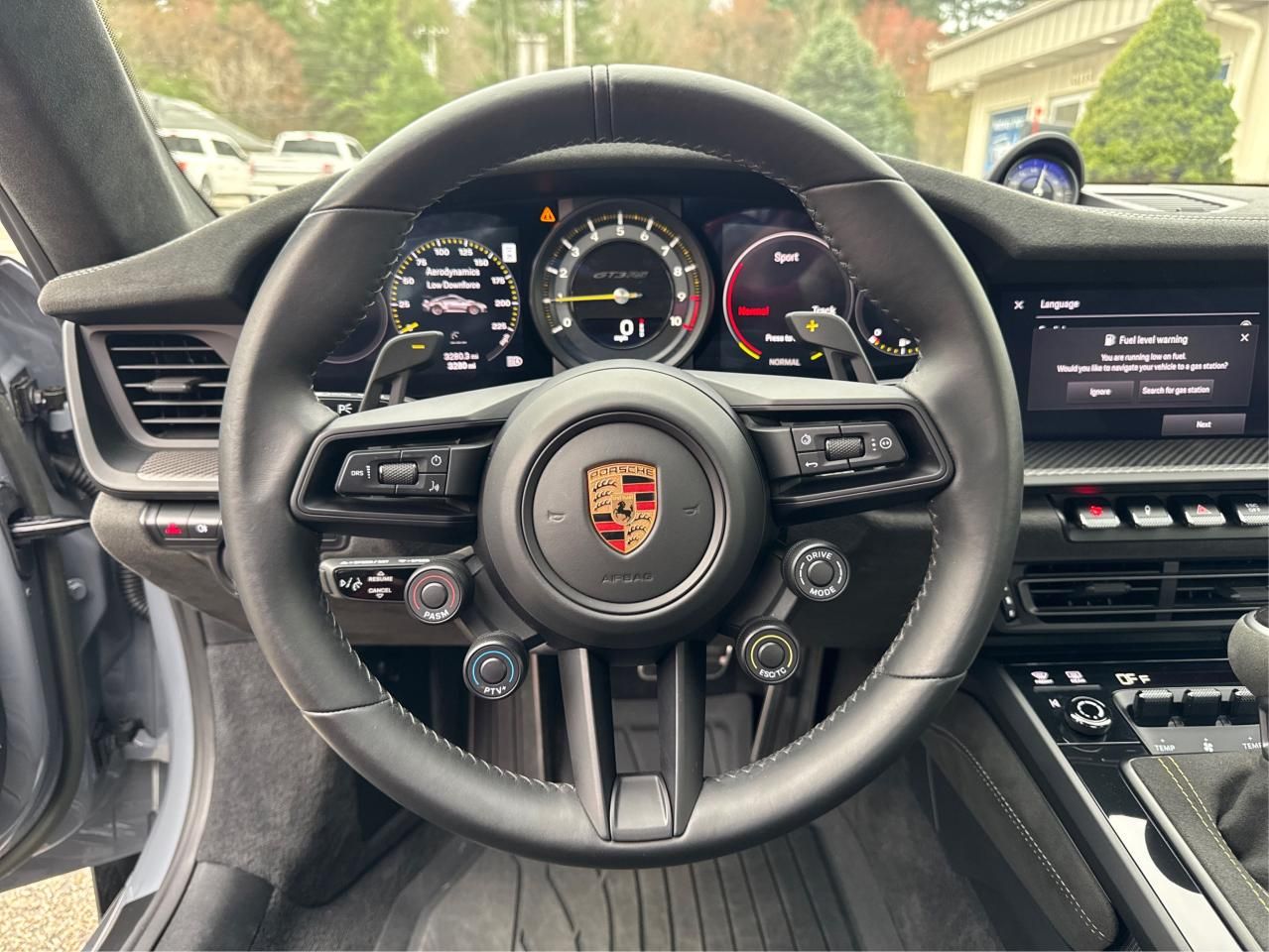
1. A Wide Selection of Used Cars
Copart’s online auctions list everything from everyday sedans and SUVs to luxury models and salvage title cars. You can search the listings by make, model, location and title type to find the right vehicle at the right price.
2. Competitive Pricing
Because cars sell through bidding, many go for well below retail value. You set your own maximum bid, so there’s no pressure to pay more than you planned.
3. Detailed Vehicle Listings
Each listing shows photos, the title type and the reported damage. Before you bid, run a VIN history check, and consider an independent inspection, since you can’t test drive an auction car.
4. A Simple Online Process
You register online, place a refundable deposit of 10% of your intended maximum bid ($600 minimum), which lets you bid up to 10 times the deposit, and bid from home. If you win, payment is due within 3 business days, counting the auction day (Buy It Now purchases by 5 PM ET the next business day).
Our broker fee varies by membership; see the Copart fees page for details. Our how to buy guide walks through each step, and you can arrange vehicle transportation once the car is paid for.
5. Access to Salvage Title Cars
If you like fixing up cars or hunting for low-cost finds, salvage title cars can offer real value. Many can be repaired and resold or turned into daily drivers, as long as you budget for the repairs and your state’s rebuilt-title process.
What About Salvage Title Cars?
Salvage title cars are vehicles that an insurance company has declared a total loss because of damage, theft or other problems. They usually sell at auction for much less than comparable clean-title vehicles.
Buying a salvage title vehicle can be a smart way to save money. Still, you need to know what you’re getting into, because these vehicles may have hidden problems or need serious repairs before they can be driven legally. If you’re willing to take some risk and know what to look for, a salvage title car can be a steal.
When to Choose a Used Car Auction
You might prefer a used car auction if:
- You want the lowest possible price.
- You like the thrill of bidding and competition.
- You’re looking for a specific type of car, like a luxury model or a salvage title car.
- You’re comfortable with the “as-is” nature of auctions.
When to Choose a Private Seller
A private seller might be the better choice if:
- You prefer face-to-face communication with the seller.
- You want to negotiate directly.
- You value being able to inspect and test drive the car before buying.
- You’re not in a rush and want to take your time with the purchase.
Final Thoughts
Buying at auction and buying privately both have trade-offs. Auctions usually offer lower prices and a wider selection, but they carry more risk. Private sellers give you room to negotiate and a chance to inspect the car, usually at a higher price.
If you want to try auction buying, start by checking the FAQs and reading what happens after you win an auction car. Whether you’re looking for a turn-key commuter or a project car, doing your research first is the best way to get a good deal.
Written by Jesus Lopez
CTO and owner of Inloher Corp, the company behind SalvageReseller.com, the longest-running Copart broker in America. For 22 years we’ve given everyday buyers access to Copart auctions, with no dealer license needed. 35,000+ sales and 250,000+ members later, we’re ready to help you.


