
How Do I Register a Salvage Title Vehicle After Buying?

You just landed an amazing bargain on a salvaged vehicle, or perhaps discovered a dream salvage RV for sale at a price that made you pause in disbelief. Congratulations! You are now included in an expanding community of knowledgeable purchasers who understand that salvage doesn’t equal “garbage”—it frequently signifies potential. 

However, here’s the crucial question: 

What steps are needed to register a salvage title vehicle and make it legal for driving? 

No need to worry—we’re here to help. Whether you’re restoring a sports car or renovating a comfortable RV, this manual will guide you through each step in straightforward language. Let’s hit the highway (well, nearly). 

2015 Wildwood 2015 Forest River Flagstaff


First Things First: What’s a Salvage Title?

Let’s clear this up: the salvage title is a specific title that implies that it is a car declared as a total loss by an insurance company, possibly as a result of a crash, flood, theft, or some other extensive damage.

However, that does not make the car garbage. As a matter of fact, several salvage cars may be restored to a perfect state to be driven once more. It is but a few hurdles that you have to jump to prove it.


Step 1: Know the Rules in Your State

Before you pick up your toolbox or begin purchasing parts online, take a moment to check your state’s regulations. Each state has its own approach to registering salvage titles. 

Some require photos of the damage, detailed receipts, and a state inspection. Others might want proof that all your replacement parts came from legit sources. The last thing you want is to do all the work and get rejected because of a missing form.

Pro tip: Search for your state along with “salvage title registration” on Google or contact your local DMV. It requires five minutes and prevents days of trouble.


Step 2: Repair Like a Pro

This is where the magic happens. Once you understand the rules, it’s time to roll up your sleeves (or pay a mechanic) and get your salvaged vehicle back into shape.

Here’s what needs to happen:

  1. Fix all damage (frame, engine, body, everything)
  2. Replace any broken or missing parts
  3. Make sure it’s safe, street-legal, and up to emissions standards

Documentation is everything. Take pictures before, during, and after repairs. Save every receipt. Track every part. This paper trail proves to the DMV that you’re not cutting corners, and trust us, they’ll ask.

Whether it’s a salvage RV or a sports car, treat it like a project you’ll eventually show off because you will.


Step 3: Schedule That Inspection

Once the repairs are done, your car isn’t ready for the road just yet. First, you’ll need to get it inspected by your state’s designated salvage vehicle inspector.

This isn’t your basic oil-and-brakes kind of inspection. They’re checking to make sure:

  1. Your repairs were done properly
  2. No stolen or shady parts were used
  3. The vehicle is truly safe to drive

Bring your paperwork, receipts, salvage title, and a positive attitude. Be polite. Inspectors have seen it all, and your goal is to make their job easy.

Forget a single form and you’ll be rescheduling that inspection. Double-check everything before you go.

2021 Wildwood 2021 Forest River Trailer


Step 4: Get That Rebuilt Title

If your vehicle passes inspection, you’re ready to upgrade from salvage status to a rebuilt title (sometimes called a reconstructed or revived title).

You’ll usually need to submit:

  1. The original salvage title
  2. Your past inspection form
  3. Repair receipts and photos
  4. Title application
  5. Any state-specific forms
  6. Payment for the fees

Once approved, your state will mail you a brand-new title that says “rebuilt” instead of “salvage.” This means your vehicle is officially legal to drive, register, and insure.

Note: The “rebuilt” label stays on the title forever, but so does the sweet deal you got.


Step 5: Register and Hit the Road (Almost)

With a rebuilt title in hand, you’re almost there. Now it’s time to register the vehicle just like you would with any other car. Head to the DMV (or do it online if your state allows), bring the paperwork, and pay the registration fees.

You’ll also need insurance, and yes, some companies are picky about rebuilt titles. That said, many insurers do offer coverage, especially for well-repaired vehicles with all the documents to prove it.

Shop around, get quotes, and don’t settle. Your car may have a history, but now it’s got a future too.


A Few Must-Know Tips for Salvage Vehicle Success

Stay ultra-organized – Keep all your paperwork in one folder: photos, receipts, forms, and inspection documents. You’ll need them often.

Document everything – Snap photos throughout the repair process. It helps with inspections and insurance.

Be honest – If you ever sell your rebuilt car or RV, disclose the title history. People respect transparency, and it’s the law.

Use reputable parts – Buying from sketchy suppliers could get your rebuild rejected. Keep it clean.

Use a trusted platform – Buying salvaged cars or a salvage RV for sale? Use a name you can count on, like Salvage Reseller, to get access to clean titles, verified listings, and auction deals that won’t leave you stranded.


Why Salvaged Vehicles Are Worth It

Let’s be real: most people spend way too much on cars.

Buying a salvage title vehicle lets you pay less, fix it right, and enjoy the ride without a giant monthly payment. Whether you’re building a commuter car, a weekend ride, or fixing up a cozy RV for the family road trip of a lifetime, this path makes it possible.

With Salvage Reseller, it is even simpler. They provide access to thousands of reviewed listings, such as compact cars to fully loaded RVs. You do not even have to be a mechanic; just a bit of patience and a decent game plan is what is required.


Frequently Asked Questions


  1. Does the financing of salvage title vehicles apply?

The majority of the traditional lenders do not finance salvage vehicles because it is considered high risk. Then again, limited options may be available in some credit unions, specialty lenders, or rebuild-only financing services.

  1. Will it be difficult to resell a car with a rebuilt title?

Yes, it may be more difficult. The purchasers tend to be fearful, and the price of resale is usually low. But a complete recording of repairs will enhance confidence on the side of buyers and sell quicker on your side.

  1. Can I operate and drive a vehicle with a salvage title before I get a rebuild and register it?

No. Driving the vehicle on the streets is not a possibility until it passes inspection and earns a rebuilt title. You might have to tow it or have temporary permits to test it.

  1. How much is the typical time for the registration process for the salvage title?

Depending on your state and the speed of inspections and paperwork, it takes a different amount of time. The process may require a few weeks to several months on average.

  1. Do the kinds of damage make a salvage vehicle unrepairable?

Yes. Cars that are severely dented or have their frames in twisted condition, and where the car has been exposed to floods or fire, can be described as unsafe or too exorbitant to service, despite having a rebuilt title.


The Bottom Line

Purchasing a salvage title vehicle goes beyond being a cost-effective choice—it’s a chance to revive something. Regardless of whether it’s a vehicle or a salvage RV available for purchase, these automobiles frequently possess significant untapped potential. By utilizing the correct method, you can maximize that worth.

The registration process can appear daunting initially, but when you simplify it, it becomes a matter of adhering to a straightforward sequence of tasks: investigate your state regulations, perform necessary repairs, succeed in the mandatory inspections, and obtain a rebuilt title. Keep things in order and record everything.

By being patient and meticulous, you can achieve a completely roadworthy car at a much lower expense—and enjoy the fulfillment of accomplishing it on your own.


Start Your Salvage Journey Today

Ready to find your next rebuild-worthy ride? Visit Salvage Reseller to explore a wide range of salvaged cars and salvage RVs for sale. With verified listings and an easy-to-use platform, it’s never been easier to start your salvage journey. 

Let Salvage Reseller help you turn a great deal into a great vehicle.
The Ultimate Salvage Auction Hack: Unlocking Deals You Never Knew Existed

Looking for a low-cost, vehicle purchase or equipment? You’re in luck! Salvage auctions may be just what you’re searching for. They offer an abundant selection of vehicles: some dented, some needing major work. Whether you are a car enthusiast, a young entrepreneur, or just someone looking for a bargain, auto online auctions provide an outlet for finding many chances. But opening the best deals needs strategies and knowledge-therefore this is your ultimate guide.


What Are Salvage Auctions?

A salvage auction is actually a venue where vehicles, in most cases, are perceived by insurance companies as less economically sound for restoration. Usually, the cars, trucks, and other vehicles, which might have been totally damaged by accidents, floods, or natural disasters, can be sold to the highest bidder. These companies do not generally restore the vehicles; rather, they sell them to the salvage yards or directly auction them for parts or repairs.

However, not all cars sold at salvage auctions are total write-offs. Most have little more than cosmetic damage – a broken mirror, dented fender – but some do need extensive work. The point is, though, that most vehicles at salvage auctions can often be purchased for a fraction of their original price, and this makes them an amazing opportunity for bargain hunters.


Why Consider Salvage Auctions?

Cost-Effectiveness
Another important reason most people go for salvage car auctions is saving money. Salvage car auctions can be pretty inexpensive since a car’s cost in this type of sale can be relatively lower than the market rate. It can be great for someone looking for some affordable option and who just cannot afford many expensive options on the market.

Wide Selection of Autos
Salvage automobile auctions have wide selections including common automobiles, trucks and vans, as well as high-performance models and rare luxury cars. Depending upon the type of auction web site you join, boats, motorcycles, and recreational vehicles are available. Due to the availability of vast choices, customers can always find the exact type of auto they want to have, including a commuter sedan or a restoration project.

Environmental Benefits
Purchasing a vehicle from salvage auctions can be a more environmentally-friendly decision than buying a new one. The process of restoring a dented car or vehicle helps reduce the demand for manufactured new vehicles, which subsequently decrease carbon emissions and the damage associated with the production of new cars.

Transparency and Inspection Reports
Unlike other car dealers who sell used cars, most of the salvage auctions provide very clear descriptions of the vehicle they are offering for bidding. You can get many websites with vehicle history reports, damage reports, and high-quality photographs. This transparency will minimize your risk of buying a vehicle that is too far gone to be repaired.


How to Get the Best Deals at Auto Online Auctions

While the idea of getting good deals at a salvage auction is great, there are lots to learn if one is to ensure that his money is well spent. Follow these steps to maximize one’s chances of success:

Set a Budget
It is very easy to get carried away while bidding at an auction especially when you see a vehicle you want. However, before the whole process begins, one has to set a budget on which they will spend, in this case, including cost of the vehicle plus cost of repairs, shipping charges, and any auction charge that may apply.

Do your research
Do not rush into a bid. Find out about the car first. Most auto online auctions include detailed histories of vehicles to be auctioned. Utilize this information to your advantage. Research information like the make, model, year, accidents, or repairs that occurred and the level of damage on the car. The more information you can gather, the more prepared you will be when bidding

Understand Auction Terms
The rules, fees, and conditions vary in different auctions, so you have to understand the terms of sale that will be used carefully when you are reading them; the deposit is required with certain auctions before you actually make a bid, with some others, there can also be additional fees after winning the auction.

Bid Strategically
If you want the best deal, consider bidding at the last few seconds of the auction. Many seasoned auction-goers wait until the last seconds to place their bid. This way, others wouldn’t have enough time to respond. However, do not go over your budget, regardless of how fierce the competition gets.


Discover Unbeatable Deals at Salvage Reseller

Salvage Reseller is the most trustworthy of salvage auctions platforms, boasting wide varieties of vehicles offered for competitive prices. This would be one of the main options of people interested in participating in auto online auctions that we are offering, an easily navigated and user-friendly platform combined with international shipping.

Our platform features an extensive lineup of vehicles that include cars, trucks, motorcycles, even boats. Our inventory runs the gamut from car shoppers to people looking for a restoration project or searching for a commercial vehicle. Therefore, with our broad inventory on different makes, models, and conditions, we ensure there is something for everyone, and every one of our customers can find exactly what they’re looking for.


Conclusion

Salvage auctions present the best opportunity to purchase a vehicle at a few fractions of its market value. You can buy it either for personal use or to be restored, but there are auto online auctions providing a wide range of cars. With the proper strategy and resources, you can use Salvage Reseller as the ideal platform to access the deal that will save you money and open exciting possibilities.

Top Tips for Finding Salvage Motorcycles for Sale

Exploring the world of salvage motorcycles can be a treasure trove for enthusiasts and bargain hunters alike. With a plethora of options available, uncovering great deals on motorcycles with salvage titles offers an exceptional opportunity to own a bike at a fraction of the cost. This guide provides top tips to help you navigate the process of finding and purchasing salvage motorcycles, ensuring you make an informed and satisfying purchase.


1. Research Online Auctions

When it comes to finding salvage motorcycles, researching online auctions is a game-changer. These platforms offer a variety of salvage vehicles including cars, boats, motorcycles, and more for online auctions. The thrill of the auction can be exhilarating, but let’s get strategic to turn that excitement into success.


  1. Join the Platform: Most major platforms require you to join before you can bid. This often involves paying a fee or deposit to start bidding.
  2. Set a Budget: It’s easy to get caught up in the moment, but remember to set a budget and stick to it. Auction fees, taxes, and shipping can add up, so factor those into your budget too.
  3. Research Vehicle History: Before placing a bid, make sure to research the vehicle’s history. This will help you make informed decisions and avoid any unpleasant surprises.
  4. Inspect Before Bidding: If possible, visit the auction lot to inspect the motorcycles in person. Sometimes, vehicles look different online than they do in reality.


We’ve all been there, hovering over the ‘Bid Now’ button, the thrill of the auction coursing through our veins. But remember, there’s more to consider than just the winning bid.


By following these steps, you’ll be well on your way to finding the perfect salvage motorcycle at an online auction.


2. Check Local Dealerships


When it comes to finding salvage motorcycles, local dealerships can be a goldmine. Many dealerships take in trade-ins that they don’t want to resell on their main lot. These bikes often end up being sold at a significant discount. It’s worth visiting multiple dealerships in your area to see what they have available. Don’t be afraid to ask if they have any salvage motorcycles in their inventory or if they can keep an eye out for you. Sometimes, they might even have connections to insurance companies that can provide you with more options.


Visiting local dealerships can be a great way to find hidden gems that you might not come across online. Plus, you get the advantage of inspecting the bike in person before making a decision.


Here are a few tips to make the most out of your dealership visits:


  • – Make a list of local dealerships and visit them in person.
  • – Ask about trade-ins and salvage motorcycles specifically.
  • – Inquire if they have connections with insurance companies for more options.
  • – Don’t hesitate to negotiate prices; dealerships are often willing to make a deal.

By following these steps, you’ll be well on your way to finding a great deal on a salvage motorcycle at a local dealership.


3. Visit Salvage Yards


When it comes to finding great deals on salvage motorcycles, visiting salvage yards is a must. These places are a treasure trove for anyone looking to score a bargain. Navigating the world of salvage vehicle auctions can be tricky, but with a bit of know-how, you can find some real gems.


Understanding Salvage Yards


Salvage yards are a cost-effective and eco-friendly solution for vehicle repairs. They acquire vehicles for parts, offering significant savings and benefiting the community. It’s like a giant puzzle where you can find the missing pieces for your motorcycle project.


Tips for Finding and Evaluating Salvage Vehicles


  1. Research: Before heading out, do some research on the salvage yards in your area. Look for reviews and ratings to find the best ones.
  2. Budgeting: Set a budget and stick to it. It’s easy to get carried away when you see all the options available.
  3. Inspection: Always inspect the motorcycle thoroughly. Check for any major damages that could be costly to repair.
  4. Competitiveness: Be prepared to negotiate. Salvage yards often expect some haggling, so don’t be afraid to ask for a better price.


Visiting salvage yards can be an adventure. You never know what you’ll find, and sometimes, the hunt is just as exciting as the purchase itself.


4. Join Motorcycle Forums


Joining motorcycle forums is a fantastic way to dive deep into the world of salvage motorcycles. These forums are bustling with enthusiasts who share their experiences, tips, and advice on everything from performance tweaks to maintenance hacks. The prospect of long-term savings is often a hot topic, as many members discuss how buying salvage motorcycles can be a cost-effective way to get on the road.


Benefits of Forums


  • – Community Support: You’ll find a supportive community ready to help you with any questions or issues you might have.
  • – Exclusive Deals: Many forums have sections where members post about deals and opportunities that you might not find elsewhere.
  • – Expert Advice: Get insights from seasoned riders who have been through the process of buying and restoring salvage motorcycles.


5. Use Specialized Websites


When it comes to finding salvage motorcycles, specialized websites are a goldmine. These platforms are designed specifically for buying and selling salvage vehicles, making it easier for us to find exactly what we’re looking for. Discover great deals on salvage motorcycles for sale by exploring these sites, which often feature top picks like Harley Davidson and Honda. Buying salvage offers cost savings and a unique restoration journey.

Benefits of Specialized Websites


  • – Wide Selection: These sites offer a broad range of motorcycles, from various brands and models.
  • – User Reviews: Read reviews from other buyers to gauge the reliability of the seller and the condition of the motorcycles.
  • – Convenient Search Filters: Easily narrow down your options based on make, model, year, and condition.


Popular Specialized Websites


Website Features
SalvageReseller Buy Now Vehicles, Salvage Auto Auctions, Used Auto Auctions
SalvageBikesAuction Dedicated to motorcycle auctions, including salvage titles
Copart Offers a variety of salvage motorcycles and detailed vehicle history

Tips for Using These Websites


  1. Research the best salvage title vehicle brands to buy in the market. Explore Ford and Chevrolet for durable options.
  2. Set a budget and stick to it to avoid overspending.
  3. Use the search filters to find motorcycles that meet your specific needs.
  4. Read the user reviews and ratings to ensure you’re dealing with reputable sellers.
  5. Consider online auctions for savings and reliable transportation.


Specialized websites are your best bet for finding a wide selection of salvage motorcycles. They offer convenience, reliability, and a plethora of options to choose from. Happy

hunting!


6. Attend Motorcycle Shows


Motorcycle shows are a fantastic way to find salvage motorcycles for sale. These events bring together enthusiasts, dealers, and sellers, creating a vibrant marketplace. Attending these shows can give you access to unique deals and rare finds that you might not come across online. Plus, you get to see the bikes up close and personal, which is a huge advantage.


Network with Sellers


At these shows, you can meet sellers face-to-face. This personal interaction can sometimes lead to better deals and more trustworthy transactions. Don’t be shy—ask questions and get to know the sellers.


Discover Rare Models


Motorcycle shows often feature rare and unique models that aren’t available elsewhere. This is your chance to find something truly special. Keep an eye out for those hidden gems.


Get Expert Advice


These events are also a great place to get expert advice. Whether you’re a beginner or a seasoned rider, you can learn a lot from the experts present. They can offer tips on what to look for in a salvage motorcycle and how to get the best deals.


Attending motorcycle shows is not just about buying; it’s about immersing yourself in the motorcycle community. You’ll leave with more knowledge and maybe even a new ride.


Compare Prices


One of the best things about motorcycle shows is the ability to compare prices on the spot. You can see what different sellers are offering and make an informed decision. This can save you a lot of money in the long run.


7. Network with Enthusiasts


Connecting with fellow motorcycle enthusiasts can be a game-changer when hunting for salvage motorcycles. Networking opens doors to insider information and exclusive deals that you might not find elsewhere. Here are some ways to get started:


  • – Join Local Motorcycle Clubs: These clubs often have members who are well-versed in the world of salvage motorcycles. They can provide valuable tips and might even know someone looking to sell.
  • – Attend Motorcycle Events: Events like bike shows and meetups are perfect for making connections. You never know who you might meet and what opportunities could arise.
  • – Engage in Online Forums: Online communities are treasure troves of information. With thousands of posts and members, forums dedicated to motorcycle enthusiasts can offer advice, reviews, and even listings for salvage bikes.


By building a network, we not only gain access to potential deals but also learn from the experiences of others. This collective knowledge is invaluable when navigating the world of salvage motorcycles.


Remember, the key to successful networking is to be active and engaged. Share your experiences, ask questions, and be open to learning from others. This approach will help you maximize the value of your connections and make informed decisions when buying salvage motorcycles.


8. Inspect Before Buying


When it comes to buying salvage motorcycles, never finalize a deal based solely on photos or descriptions. We need to schedule in-person inspections for any bikes that catch our eye. This step is crucial to avoid common mistakes and ensure we know exactly what we’re getting into.


Visual Inspection


First, let’s meticulously examine the motorcycle for any cosmetic damage. Look for dents, scratches, or misaligned body panels. Signs of rust, leaks, or excessive wear on components like tires, chains, and brake pads are red flags. These issues can significantly impact the bike’s value and our enjoyment of it.


Engine & Functionality


Next, we should check the engine and other functional parts. Listen for any unusual noises and ensure all electrical components are working correctly. If possible, take the bike for a test ride to get a feel for its performance. This helps us identify any mechanical issues that might not be obvious at first glance.


Professional Inspection


For added peace of mind, consider taking the motorcycle to a trusted mechanic for a pre-purchase inspection. A professional can spot potential issues that we might miss, giving us a clearer picture of the bike’s condition. This step is especially important if we’re not confident in our own inspection skills.


Remember: inspect the vehicle BEFORE you bid, because all bids and offers are binding. This simple step can save us from costly mistakes and ensure we make a well-informed purchase.


9. Understand Salvage Titles


When it comes to buying salvage motorcycles, understanding the ins and outs of salvage titles is crucial. A salvage title indicates that the motorcycle has been deemed a total loss by an insurance company. This often happens when the cost of repairs exceeds a certain percentage of the motorcycle’s fair market value, which can vary from state to state. Typically, this percentage ranges from 75% to 90%.


What a Salvage Title Means


A salvage title usually means that the motorcycle needs significant repairs. However, this doesn’t necessarily mean the bike is beyond saving. With the right knowledge, you can navigate the process of obtaining a rebuilt title and legally registering the motorcycle. By purchasing a salvage motorcycle, you have the opportunity to save money.


The Process of Obtaining a Rebuilt Title


To convert a salvage title to a rebuilt title, you’ll generally need to have the motorcycle inspected by a state-certified mechanic. This inspection ensures that all necessary repairs have been made and that the bike is safe to ride. Once the inspection is complete, you can apply for a rebuilt title through your state’s Department of Motor Vehicles (DMV).


Risks and Considerations


While buying a salvage motorcycle can be a great way to save money, it’s important to be aware of the risks. There is always the possibility of hidden damage that may not be immediately apparent. Additionally, the “salvage” designation follows the vehicle forever, which can affect its resale value.


It’s somewhat of a gamble, but with the right precautions, it can be a rewarding experience.


Importance of Vehicle History Reports


Before purchasing a salvage motorcycle, it’s essential to obtain a vehicle history report. This report will provide detailed information about the bike’s past, including any accidents or major repairs. Knowing the history can help you make an informed decision and avoid potential pitfalls.


10. Compare Prices


When it comes to finding the best deals on salvage motorcycles, comparing prices is crucial. We need to look at various sources to ensure we’re getting the best bang for our buck. Setting a maximum bid is essential to avoid overspending. Remember, it’s not just the bid amount; factor in those auction fees, taxes, and shipping costs too.


Let’s break it down:


  • – Online Auctions: Websites like SalvageReseller.com offer a range of options, including budget-friendly choices like the Honda Accord and Toyota Camry. It’s a great place to start your search.
  • – Local Dealerships: Sometimes, local dealers have hidden gems. It’s worth checking out their inventory.
  • – Salvage Yards: These places can be gold mines for affordable motorcycles. Don’t overlook them.


Always keep an eye on the total cost, not just the initial price. This includes fees, taxes, and shipping.


By comparing prices across these sources, we can make an informed decision and snag a great deal on our next salvage motorcycle.


When it comes to finding the best deals on vehicles, comparing prices is essential. Our platform allows you to easily compare prices across a wide range of vehicle types and makes, ensuring you get the best value for your money. Don’t miss out on great deals—visit our website today and start your search!


Navigating the World of Copart Motorcycles: A Comprehensive Guide

Navigating the world of Copart motorcycles can be a thrilling and financially rewarding experience if approached with the right knowledge and strategies. This comprehensive guide aims to equip readers with the essential insights needed to make informed decisions and secure the best deals on salvage motorcycles. From understanding the nuances of salvage titles to mastering the bidding process and handling post-purchase logistics, this guide covers all aspects to ensure a smooth and successful buying journey.


Unlocking the Potential of Copart Motorcycles


Understanding Salvage Titles and Their Value


When we talk about salvage titles, we’re diving into a world where the potential for value is immense. Buying a salvage motorcycle requires careful consideration, knowledge, and skills for successful restoration and ownership. It’s not just about the price; it’s about understanding what you’re getting into and the true worth of the bike beneath the damage.


The Benefits of Buying from Copart


Why choose Copart? Well, it’s simple. Copart offers a vast array of motorcycles, from vintage classics to newer models, all at competitive prices. The key here is the variety and the potential to find that hidden gem which could either be restored to its former glory or used for parts. Plus, these auctions are not just local; they’re a gateway to a global market.


How to Assess Damage and Estimate Repairs


Assessing damage and estimating repairs can seem daunting, but we’ve got it down to a science. Here’s a quick guide:


  1. Inspect the bike thoroughly.
  2. Consult with a professional mechanic.
  3. Use online tools to estimate repair costs.


Remember, the goal is to make an informed decision that balances cost with potential.


Strategies for Successful Bidding on Copart Motorcycles


Mastering the Online Bidding Process


We’ve got this down to an art! Mastering the online bidding process is crucial. It’s all about knowing the ins and outs of the auction system. Make sure you log in early, keep your bids in check, and stay focused. Don’t let the competition sway your strategy!


Key Considerations Before Placing a Bid


Before you jump into bidding, there are a few things we need to consider. First, understand the vehicle’s history and its current condition. It’s also wise to set a clear budget and stick to it. This way, we avoid overspending and ensure we’re bidding smartly.


Tips for First-Time Copart Buyers


Hey, we all start somewhere, right? For all you first-timers, here’s a quick list to keep you on track:


  1. Research thoroughly—know what you’re getting into.
  2. Set a realistic budget.
  3. Inspect the motorcycle as much as possible.
  4. Don’t hesitate to ask for help from more experienced bidders.


When the day comes, stay sharp. Winning isn’t just about the highest bid; it’s about the smartest one.


Top Picks: Highlighting the Best Copart Motorcycle Deals


Exploring High-Value Models


We’ve got our eyes on the prize with some of the most sought-after models that promise not just a ride, but an adventure. Harley-Davidson, Honda, and more are just waiting for you to discover them. These aren’t just any bikes; they’re ones that will make every dollar spent feel like an investment in pure joy.


Navigating Through Auction Listings


Navigating through the listings can be a breeze if you know what you’re looking for. We recommend starting with brands like Can-Am, Honda, and Arctic Cat, which are known for their reliability and style. Here’s a quick rundown of what’s hot on the block:


  • – Can-Am: Known for power and innovation
  • – Honda: Synonymous with reliability
  • – Arctic Cat: Great for those seeking adventure

Securing the Best Deals with Strategic Bidding


Let’s dive in and secure our next project with unbeatable deals that only salvage motorcycles can offer. Remember, it’s not just about the lowest bid, but the smartest one. Strategic bidding can open up a world of possibilities, turning a salvage title into a treasure trove of opportunities.


Post-Purchase Essentials: Maximizing Your Copart Investment


Navigating Post-Auction Paperwork


After the thrill of winning a bid, it’s time to get down to business with the post-auction paperwork. Completing this promptly is crucial to finalize your transaction smoothly. We’ll guide you through handling all necessary documentation, including the bill of sale and title transfer, ensuring you’re all set without any hitches.


Understanding Shipping and Handling


Once the paperwork is out of the way, it’s all about getting your new motorcycle to its new home. We’ll help you understand the best practices for shipping and handling, from choosing the right transport options to preparing for pickup. Remember, ensuring a smooth transition can make all the difference in protecting your investment.


Getting the Most Out of Your Salvage Motorcycle


Finally, let’s talk about maximizing the value of your salvage motorcycle. By carefully assessing and planning the necessary repairs, you can transform your new acquisition into a gem. We’ll share insights on how to approach repairs and even suggest ways to enhance your motorcycle’s value, making sure you get the most out of your Copart experience.


Unlock the full potential of your Copart investment with our expert insights and tips in the ‘Post-Purchase Essentials: Maximizing Your Copart Investment’ section. Dive deeper into maximizing your returns and ensuring you make the most out of every purchase. Don’t miss out on our comprehensive guides and resources. Visit our website now to learn more and start enhancing your investment strategy today!


Frequently Asked Questions


What is a salvage title on a motorcycle?


A salvage title on a motorcycle indicates that the vehicle has been damaged to the extent that the cost of repairs exceeds a significant portion of its pre-damage value, typically determined by an insurance company. These motorcycles are often sold through auctions like Copart for repair or parts.


How can I ensure successful bidding at Copart motorcycle auctions?


To ensure successful bidding at Copart motorcycle auctions, familiarize yourself with the auction process, set a realistic budget, inspect the motorcycle’s condition and history reports, and bid strategically to avoid overpaying.


What should I do after purchasing a salvage motorcycle from Copart?


After purchasing a salvage motorcycle from Copart, handle necessary paperwork such as transferring the title, arrange for shipping or pickup, and plan for any repairs or inspections required to make the motorcycle roadworthy or suitable for your intended use.

The best motorcycles for beginners


For beginners, buying a motorcycle can be an exciting but daunting task. Salvage motorcycles from Copart online auctions offer an excellent opportunity for beginners to purchase a quality motorcycle at a reasonable price.


When purchasing a salvage motorcycle through SalvageReseller.com, it’s important to research the vehicle’s history and have a qualified mechanic inspect the bike before making a purchase. This will help you identify any potential issues and ensure that the bike is in good condition.


Here are some of the best motorcycles for beginners in Copart salvage auctions:

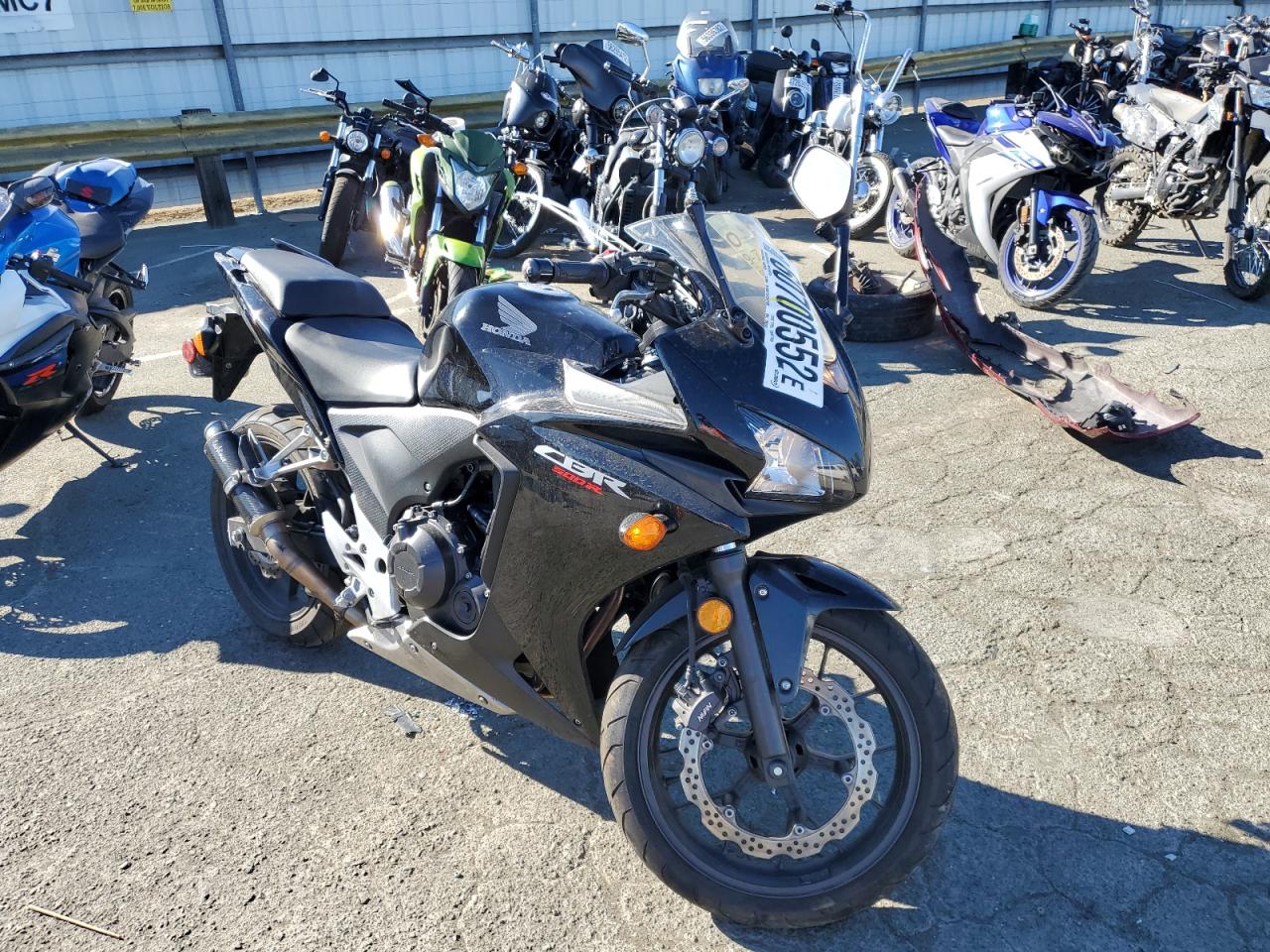
Honda CBR500R

The Honda CBR500R is an excellent beginner motorcycle that is both lightweight and powerful. It features a liquid-cooled engine and a six-speed transmission. The CBR500R is known for its agility and handling, making it an excellent choice for beginners.

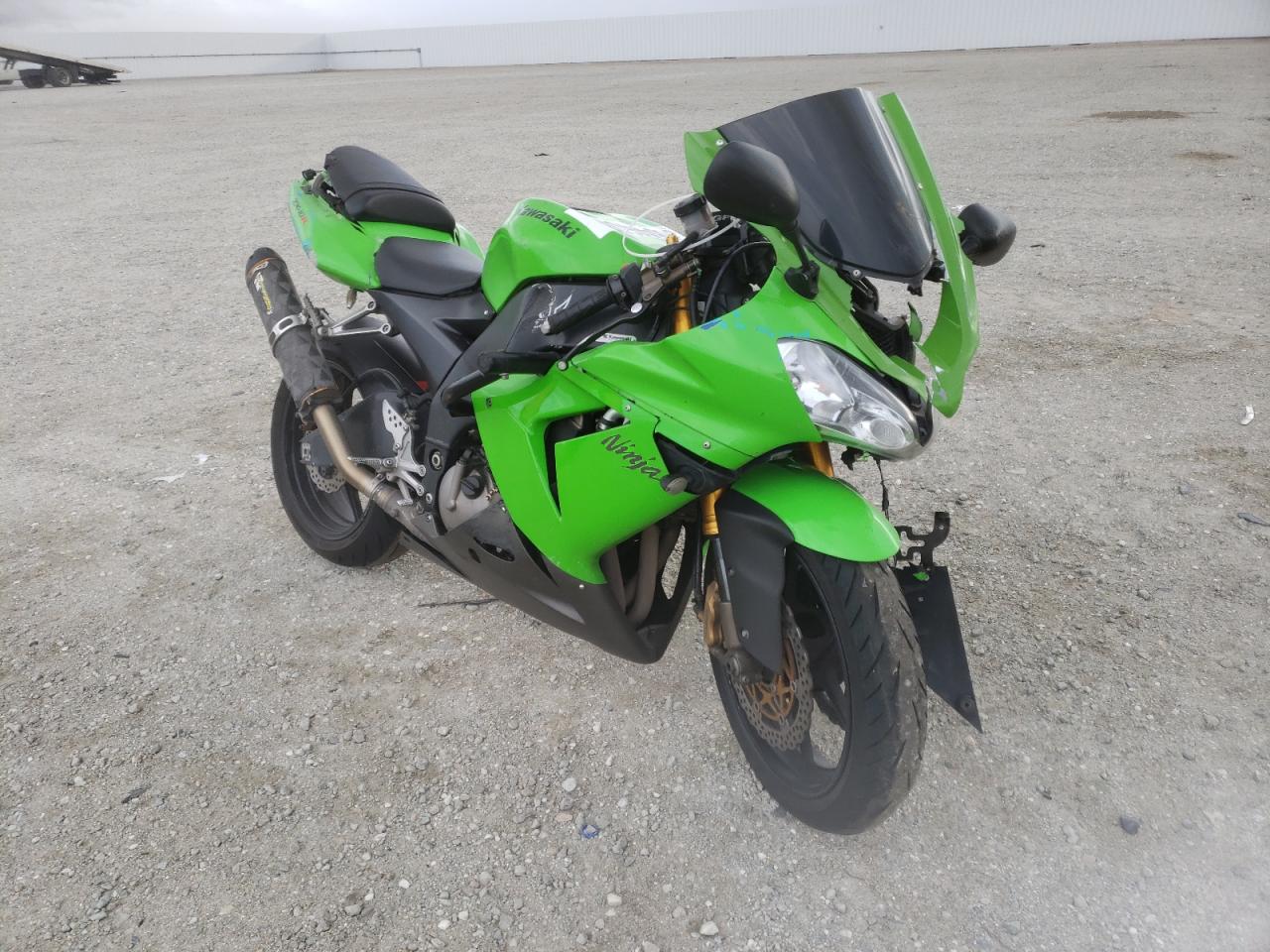
Kawasaki Ninja 300

The Kawasaki Ninja 300 is another excellent option for beginners. It has a 296cc engine and a six-speed transmission. The Ninja 300 is known for its comfort and easy handling, making it an ideal bike for novice riders

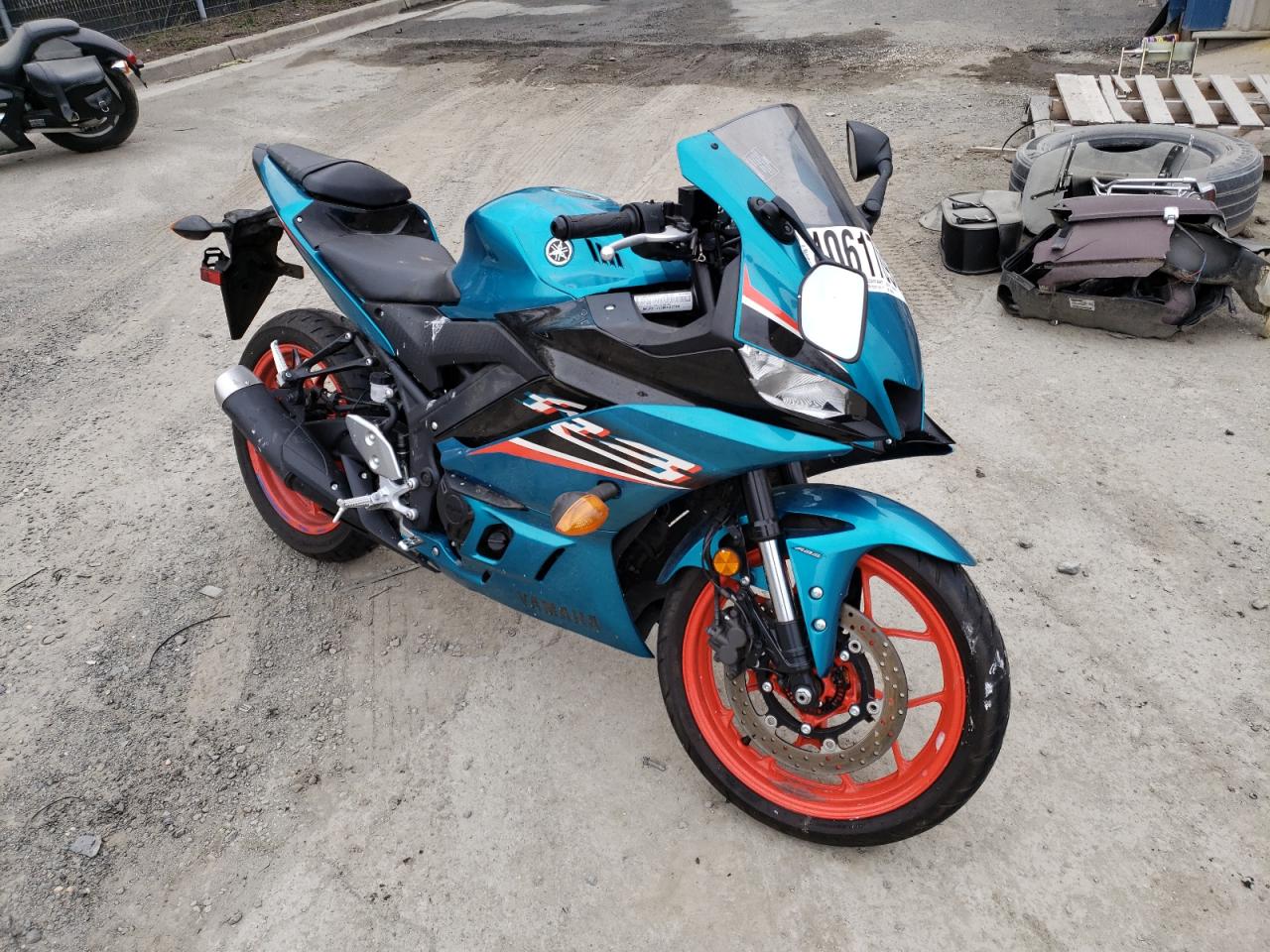
Yamaha R3

The Yamaha R3 is a lightweight motorcycle that is both easy to handle and fun to ride. It features a 321cc engine and a six-speed transmission. The R3 is known for its excellent balance and stability, making it a great choice for beginners.


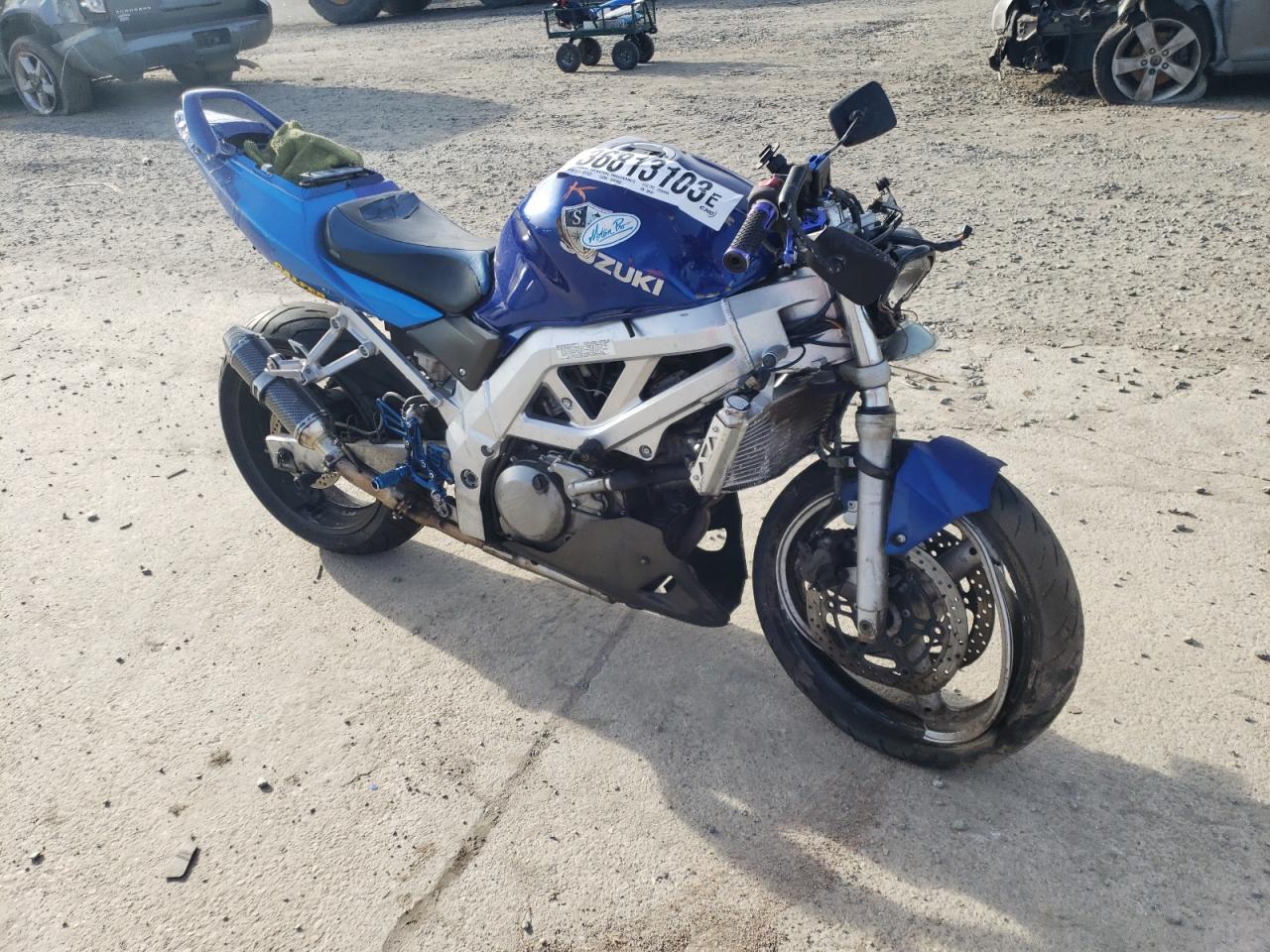
Suzuki SV650

The Suzuki SV650 is a popular beginner bike that is both affordable and powerful. It features a 645cc engine and a six-speed transmission. The SV650 is known for its excellent performance and handling, making it a great choice for riders who want a more powerful bike.

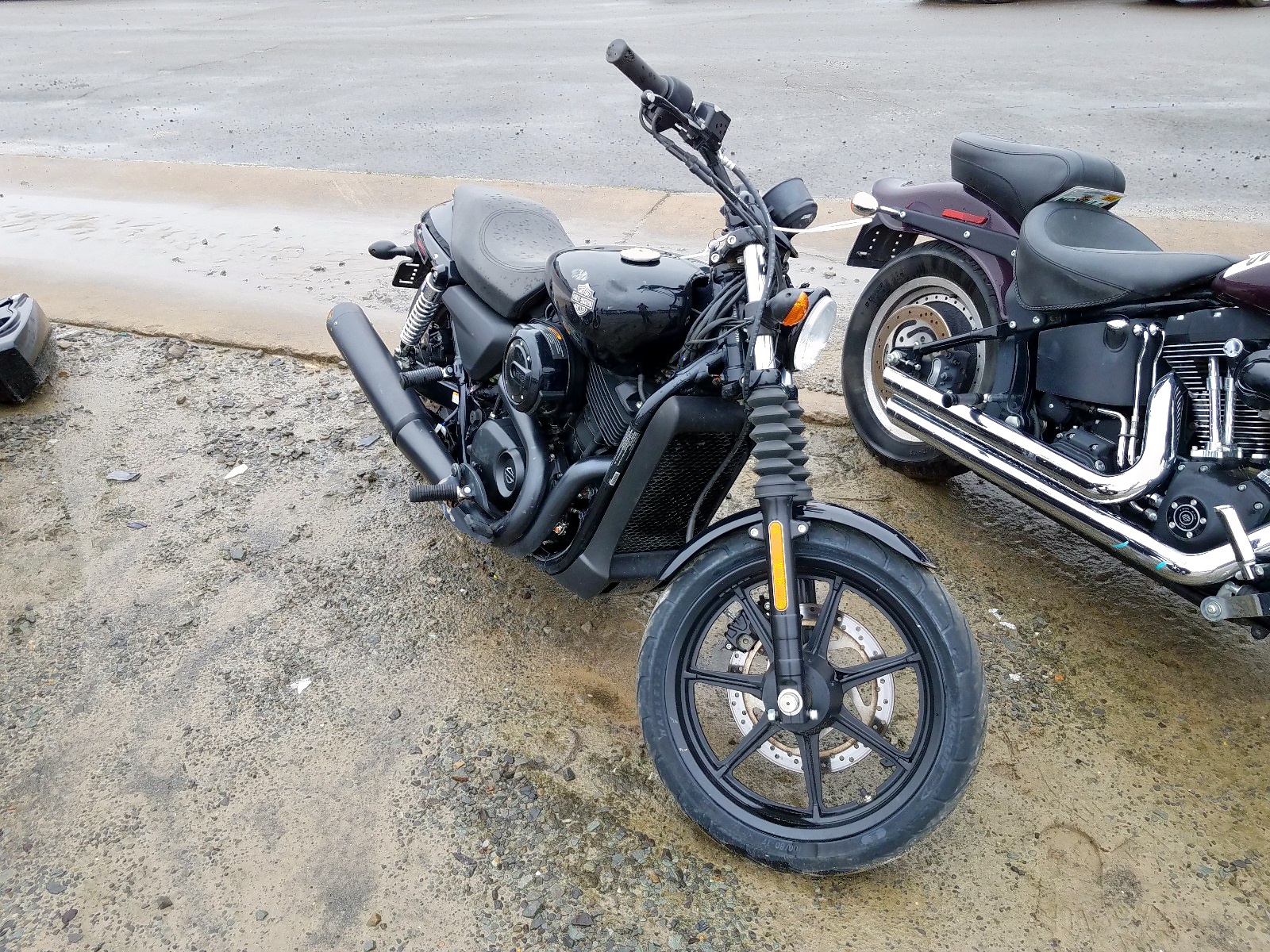
Harley-Davidson Street 500

The Harley-Davidson Street 500 is a great choice for riders who want a classic American cruiser-style motorcycle. It features a 500cc engine and a six-speed transmission. The Street 500 is known for its comfortable ride and classic styling, making it an ideal bike for beginners who want a more laid-back riding experience.