
From Rust to Riches: How to Transform a Salvage Mustang into a Collector’s Dream


For car buffs, few cars evoke excitement like the Ford Mustang. Iconic for its nostalgic look, thunderous roar, and cultural significance, mustang classic cars are more than just a set of wheels-it’s a piece of automotive heritage. But what do you do when you come across a salvage Mustang? With a little know-how, patience, and resources, you can breathe new life into a battered shell and turn it into a showstopper that commands attention.

Whether it is a labour of love or a future scheme to flip repairable vintage classics for profit, working on a Mustang will never disappoint. In the steps of this guide, learn how to bring the Mustang back to life by going over all the valuable information from sources like Party On Butler that could make the project as easy as possible to pull off.


Understanding the Appeal of Salvage Mustangs

Salvage Mustangs are treasures often overlooked. These vehicles could have been neglected, damaged, or even declared as not worth repairing by previous owners, but with dedication and the right expertise, they can be brought back to their former state. The appeal of restoring a salvage Mustang lies in its potential:

  1. Affordability: Salvage Mustangs are usually sold at a fraction of the price that fully restored models cost.
  2. Customization Potential: You can give the car exactly what you want: improved performance, customized paint jobs, and more.
  3. Historical Value: There is a lot of pride and satisfaction in bringing back to life an automobile piece of history.


Assessing the Salvage Mustang’s Condition

Before embarking on the restoration project, it’s essential to properly assess the current state of the car. It will save you from any surprise and ensure that you do not waste time and money on something that is beyond repair. Begin with the structural integrity of the Mustang. The backbone of the car consists of the chassis and frame, so signs of serious rust, warping, or damage can make the project not viable. If the body is sound, then look at the engine and drivetrain.

A salvage Mustang with an original engine is a gold nugget to find, and it greatly increases the value of the final car. Even if the engine is a write-off, though, replacement options are widely available for repairable classic cars.


Planning Your Restoration Journey

The success story of any restoration project would begin with a plan of action. It will set aside a realistic budget, map out the process, and gather all the necessary tools and resources.

Define Your Goal
Are you shooting for a factory-accurate restoration, or do you see it as a custom build with some modern touches? Your goal will dictate the parts you need to find and the level of detail required.

Budgeting for Success
Restorations tend to go beyond budget estimates. Prepare a budget for parts, labor, tools, and other unforeseen expenses.


Step-by-Step Restoration Guide

Overhaul Mechanical: Begin at the car’s heart: the engine, transmission, and suspension. This may mean rebuilding the original engine or installing a modern replacement, and be sure to get everything else in pristine working condition as well.

Rust Removal and Bodywork: Rust is the biggest enemy of all classic cars. Apply sandblasting or chemical treatments to dissolve rust and strengthen weakened points. Eliminate dents, change dented panels, and surface preparation before painting.

Painting and Finishing: The decision regarding paint also plays an important role while restoring your vehicle. Choosing the right factory paint color, or custom shade that strikes your mind is all part of the deal, make it perfect.

Restore the Inside: Change old seats and install a carpet. Make a fix/upgrade in the dashboard. Small details are going to turn what is a good restoration into an awesome restoration.

Electrical Systems: From lighting to gauges, ensure the car’s electrical components are working safely. Modern upgrades such as LED lights can be great for reliability without detracting from the classic appeal of the car.


Restoration Pitfalls to Avoid

Restoring a classic Mustang is a rewarding experience, but it is not without its challenges. Knowing the common pitfalls can save you time, money, and frustration in the process.

Underestimating Costs
The restoration project always has some hidden expenses, such as rust that is not easily seen or rare replacement parts. It is essential to build a flexible budget with extra room for surprises to avoid stalling your progress.

Skipping Pre-Recovery Findings
Study about your specific Mustang model and its history, which entails restoration requirements. In this way, you will be able to differentiate what’s original from an aftermarket part so that the car’s integrity and value are not harmed.

Cutting Corners
Quality craftsmanship really takes time and attention to detail. Cutting on materials or rushing through processes like bodywork or engine rebuilding often leads to costly mistakes and can reduce the car’s longevity and appeal among collectors.


How Salvage Reseller Can Help

Finding a good project car is the first step when you want to restore a Mustang. This is where Salvage Reseller really comes in handy. We specialize in connecting buyers with repairable vehicles, so you can find the right repairable classic cars that suit your vision.

Benefits of Salvage Reseller:

  1. Huge inventory: The website features an enormous collection, from lightly damaged Mustang classic cars to major restoration works.
  2. Transparency: Detailed listings are provided with pictures and descriptions, allowing you to analyze the car before buying it.
  3. Easy Auctions: Access online auctions to help you place your bids and have the Mustang you desire for in your house.
  4. Cost Savings: SalvageReseller.com offers access to affordable vehicles, which will enable you to start your restoration project within budget.


Conclusion

Transforming Mustang classic cars from a rusty relic into a dream collector’s car is labor of love. Every scratch that is repaired, every bolt tightened, and every coat of paint applied gets you closer to making something special.

The process is more manageable and enjoyable because of the available resources: Party On Butler, expert advice, and access to quality parts. So whether it’s a passion project restoring the Mustang as an individual, or trying to sell it for a profit, the journey is just as worthwhile as the destination.
Salvage Auctions: Unlocking Savings on Repairable Cars

Although purchasing a car through standard retail processes can be expensive in the current market, there is an alternative that many wise buyers are increasingly turning to: salvage auctions. Here, buyers overcome the downside of high repairable car prices. This means, in theory, they can apply considerable saving strategies. For those with some mechanical experience or access to good repair specialists, salvage auctions can be inexpensive to purchase a car with plenty of life left.

Here’s a comprehensive guide on how salvage auctions work, what to look for, and the benefits and risks involved.

What Are Salvage Auctions?

Salvage auction refers to a marketplace wherein damaged vehicles are sold at lower prices than market prices. These vehicles may have crashed in an accident, been submerged in water, or burned. Insurance companies may also put them off as uneconomically repairable. When the cost of fixing a car is higher than the car’s worth, the insurance company will write the car off as a “total loss” and compensate the owner.

However, these cars can still be operated after some repairs and are referred to as salvage cars. Salvage auctions allow buyers to place bids on cars that are still being repaired, thus offering another way to own vehicles.

Car For sale

Why Choose a Salvage Auction?

The primary attraction of salvage auctions is the likelihood of a good deal. For example, a typical used car dealership charges dealer markups and financing charges. However, salvage vehicles are sold way below their market prices. With the appropriate market analysis, consumers can get undamaged cars that they can repair at a low cost compared to getting a similar vehicle from the dealership in a few years.

Other than that, these auctions tend to have all sorts of vehicles, from expensive luxury cars to regular sedans and pick-up trucks or SUVs, which attracts people who love and engage in such hobby activities.

Types of Cars Available in Salvage Auctions

Salvage auctions feature a variety of car types, including:

Accident-Damaged Cars:

The majority of vehicles in salvage car auctions are usually those that have been involved in a collision. The extent of the damage may be as little as needing some bodywork or as much as the need for a significant overhaul in repairs, but most of these vehicles can be fixed.

Flood-Damaged Cars:

Such automobiles have a history of being soaked in water, leading to the blowout of their electrical systems. However, Cars affected by floods do not always imply that they are completely destroyed—many of them can be restored to normal with the right methods.

Recovered Theft Cars:

Vehicles stolen and recovered are usually sold at salvage auctions if the insurance company has paid the loss to the original owner. Many recovered stolen vehicles are in sound condition and would only need light repairs to be driven.

Fire-Damaged Cars:

While this occurrence is rare, salvaged cars with some fire damage also exist. Treating such vehicles would involve an extensive investigation of their inner components because heat-based damages tend to be severe.

Hail-Damaged Cars:

Cars that have experienced hail damage tend to be fixable, especially since most problems are body or surface-related. Most of these vehicles have good and functional engines and mechanical parts, therefore appealing to anyone who wants to cut costs in buying a car.

Car For sale

Understanding the Auction Process

Bidding for assets in a salvage auction can be done physically, online, or through a live platform. Buyers must first register, as most auctions require, though some allow participation without qualifications. Setting a budget and factoring in repair costs are essential to avoid overspending. Inspecting the vehicle beforehand is advised—some auctions offer in-person checkups, while others provide reports and images. The highest bid, subject to the reserve price, wins. Afterwards, the buyer must pay and arrange transport unless the auction offers delivery or towing.


Benefits of Buying from Salvage Auctions

  • Affordability: Car auctions aimed at salvaged cars tend to have more affordable prices. Thus, they encourage buyers to invest in vehicles they could otherwise have ignored.
  • Access to Unique Models: Salvage auctions often have a wider range of models, including rare or discontinued vehicles.
  • Potential for High Returns: The cost of acquiring the vehicle becomes negligible for seasoned purchasers, especially once the car has been restored to its glory.

Risks and Considerations

Purchasing from salvage auctions can be cost-effective; however, there are pitfalls worth considering. The risk of hidden damages eludes most photographs and even inspections, and getting comprehensive insurance can be difficult.

Salvage vehicles’ resale values are also lower than those with clean titles. Repair costs must be calculated intelligently since unforeseen costs may affect savings.

Tips for Success at Salvage Auctions

  • Do Your Research: Understand the resale value of the specific model you seek and the average cost of repairs for common damages.
  • Bring a Mechanic: If you are going to an auction, it would be best to have a mechanic examine the vehicle for any problems or issues and give you a fair estimate on repairs if necessary.
  • Set a Realistic Budget: Include repair, transport, and title processing costs, and do not offer more than your budgeted amount during the bidding.
  • Check the Title: Make sure you are well acquainted with the laws regarding reconstructive or salvage titles in your country. This will also affect whether or not you can register for car insurance.
  • Consider Long-Term Value: If you plan to keep the vehicle for a long time, you can buy it relatively cheaply from salvage auctions; however, selling it can prove to be a challenge.


Unlock Unbeatable Deals at Salvage Auctions!

Are you looking for unbeatable deals on quality vehicles? Salvage Reseller brings you a vast selection of repairable cars at incredible prices through our car auction platform. With opportunities to find unique models and affordable options, we’re here to make vehicle ownership more accessible. 

Start exploring salvage auctions with Salvage Reseller and drive home the savings today!


Conclusion:

Salvage auctions present an excellent opportunity for buyers looking to save on repairable cars. Whether you’re a seasoned mechanic or simply someone willing to invest time and effort into repairs, salvage auctions offer a wide range of vehicles at a fraction of the cost of traditional car dealerships. With the right research and preparation, purchasing from a car auction can lead to significant savings.

However, while the rewards are attractive, buyers should consider the risks. Hidden damages, unexpected repair costs, and the lower resale value of salvage vehicles should be considered. By understanding the process and setting a clear budget, you can navigate these challenges and make a successful purchase.

Insurance Auto Auctions: A Goldmine for Bargain Vehicle Hunters

Have you been searching for new cars and hoping to find the best prices in the market? If these apply to you, insurance auto auctions may be what you seek. These places present a unique chance to find cars for a very low price, which would be much higher in the market with very few competitors and cheap running costs. Be it a vehicle lover, a person interested in business, or someone who simply wants to grab the best deal, active bidding in an insurance auto auction is an intelligent decision. 

Here’s everything you need to know about insurance auto auctions and why they’re becoming increasingly popular for bargain vehicle hunters.

What Are Insurance Auto Auctions?

At insurance auto auctions, vehicles considered a total loss by insurance companies are sold to the highest bidder. Such situations arise when the cost of repairs exceeds the vehicle’s market value due to accidents, natural calamities, theft, or even vandalism. Rather than incurring the expense of fixing the vehicle, the insurance company sells it at auction to recoup some of the losses.

There are two types of auctions: salvage and clean title. Salvage vehicles frequently involve extensive repair work, while clean title vehicles may have only some aesthetic alteration or external damage. In any case, car insurance auctions are still cheaper than searching for a dealership or conducting a private sale.

How Do Online Car Auctions Work?

Many insurance auto auctions have shifted to online platforms, making participating in the bidding process more accessible and convenient without leaving home. Such portals provide detailed descriptions, images, and VHRs to allow bidders to submit bids and monitor live auctions.

Don’t forget how easy it is to participate in multiple auctions simultaneously with the help of larger collections of vehicles—it’s not only price comparisons that become easy but also cheap vehicle assessment.

Cars for sale

Why Should You Consider Insurance Auto Auctions?

There are several reasons why insurance auto auctions are a goldmine for bargain hunters:

1. Affordable Prices

One of the most significant advantages of insurance auto auctions is the possibility of huge savings. Cars are sold wholesale, making it possible for buyers to buy them for less than the prices offered in the showroom. Be it a project car or a regular daily car, insurance auto auctions are cheap car auctions for everyone.

2. Wide Selection of Vehicles

Insurance car auctions encompass an array of automobiles, be it cars, trucks, SUVs, motorcycles, and boats. With numerous makes and models and their states, buyers can always find something within their range, such as a high-end or rugged utility vehicle.

3. Access to Uncommon Vehicles

Insurance auto auctions can offer rare or hard-to-find vehicles not readily available at dealerships, allowing collectors or buyers to acquire unique cars at competitive prices.

4. Less Negotiation

In contrast to the normal car purchase process, insurance auto auctions are simply recreational sports. The person who bids the most wins everything, removing the burden of worrying about negotiations. Therefore, one can concentrate on the finances and plans without the uncomfortable situation of a salesperson.

5. Opportunity for Investment

Certain customers also go to auto-insurance auctions to acquire cars to sell them and make a profit. Investors can profit substantially by buying damaged automobiles to some extent, restoring them to their full state, and selling them out again. This calls for an understanding of the mechanics of vehicles and the currents in the market, but for those with the necessary skills, it can be highly rewarding.

Tips for Buying at Insurance Auto Auctions

It is prudent to consider a few important points before engaging in an insurance auto auction that will help in getting the best deal possible:

online car auction

1. Do Your Research

As with any significant financial commitment, ample research must be done before making any bids. Always check the vehicle history report, which contains information regarding accident history, title history, and the number of owners. Most online auctions often carry this report, so please do not forget to use it.

2. Understand the Auction Process

Different auctioneers have different rules, so one must learn their bidding practices. For instance, online auctions may feature time limits on placing bids, reserve pricing, or proxy bidding. Awareness of such mechanisms allows one to formulate a plan and ensure a winning bid is not excessive.

3. Inspect the Vehicle (If Possible)

Although numerous online automobile auction sites offer high-quality images and illustrations of the cars on sale, it is still preferable to examine the car yourself if possible. This will provide a better perspective of the car’s status and any underlying problems that may not be clear in the pictures.

4. Know the Vehicle’s Condition

When it comes to insurance auto auctions, it is common to have damaged vehicles on display. Some vehicles will likely be restored, while others will be said to be a write-off. When you are about to bid in the auction, study the vehicle’s condition keenly and ask yourself whether you can fix it back in shape if necessary.

Find Your Dream Car at a Great Price!

Suppose you’re considering an automobile and yearning to get the best deal possible. Searching for an online car auction like Salvage Reseller should be your top priority. Our insurance car auctions take pride in offering an extensive range of cars at relatively lower prices, making it even more convenient to get any car one desires for almost less than the usual price. Whether you’re after a reliable daily driver or a unique project car, Salvage Reseller offers an extensive array of options to suit every budget. 

Start your journey today and drive away with a great deal!


Final Thoughts

Many bargain vehicle hunters have found that insurance auto auctions are an excellent way of acquiring vehicles. This is because they have reasonable prices and a wide variety of vehicles; some even have options for finding vintage cars. With technological advancement through online car auctions, attending these activities has never been difficult.

Coverage auto auctions are cheap and numerous, not near ordinary markets, be it a personal vehicle,  investment opportunity, or a car to rebuild. Through research and creating a budget, you can increase the chances of getting the vehicle you want at a lower cost from the auction.

Which Offers Better Deals: Used Car Auction vs. Private Sellers?

Purchasing a used car can be a thrill. But where to buy it from? It’s not an easy decision to make. Should you go for a used car auction or buy directly from a private seller? Each option has its advantages, and the ones you consider most important are getting the lowest possible price, ample choices, or knowing exactly what you’re getting. 

In this guide, we shall be looking at the factors that distinguish an auction-used car from a private seller to determine which one gives you the best deal. So, are you ready to go?

Understanding Used Car Auctions and Private Sellers


What is a Used Car Auction?

An auction for used cars is held where vehicles are sold to the highest bidder; in auctions, which are conducted on the Internet as well as in face-to-face sales, the cars to be dealt with range from seemingly normal vehicles to extravagant high-quality vehicles to salvage title cars. 

What’s even better? Because of the similar bargain prices at auctions, cars are priced lower than you’d find at a dealership. The catch is that most auctions sell cars “as-is,” meaning you may not have a chance to inspect the vehicle before purchase. But you educate yourself about bidding smart again, and you may score an extraordinary deal.

What is a Private Seller?

A private seller is anyone who wants to sell his car directly to a buyer. These sales are commonly hosted on online marketplaces and advertised through social media and other personal circles. 

With the advantages comes the danger: bargaining over the selling price, asking questions about the car’s history, and sometimes even trials during the purchase. But the risks involved in buying from private sellers are high—the seller might not reveal everything about the car’s condition, and once you purchase it, you’re, well, almost on your own if anything happens.


Comparison: Used Car Auctions vs. Private Sellers

Here’s a side-by-side comparison to help you decide which option makes the most sense for you:

Factor Used Car Auction Private Seller
Price Lower due to competitive bidding Can negotiate based on the car’s condition
Selection Large variety, including salvage title cars and luxury vehicles Limited to local availability
Condition Disclosure Minimal – cars sold “as-is” More transparency if the seller provides records
Inspection Opportunity Brief or no inspection is allowed Usually allowed, depending on the seller
Negotiation Fixed price or bidding process Direct negotiation with the seller
Fees Buyer’s premium and auction fees may apply No extra fees
Purchase Speed Fast – the sale is often finalized on the same day Slower – may require several meetings and paperwork
Legal Protection Minimal – sold “as-is” Minimal – sales are usually final
Risk of Misrepresentation Higher – limited ability to assess the condition Moderate – depends on the seller’s honesty
Luxury Cars Availability High–luxury cars are often available Low – depends on the local market


Why Choose Salvage Reseller for Used Car Auctions?

If you plan to buy a used car at auction, Salvage Reseller is a fantastic starting point. Whether you’re looking for an inexpensive commuter car or a high-performance model, Salvage Reseller will help you get what you want at a price that suits you. Here are reasons why it’s an intelligent choice. 

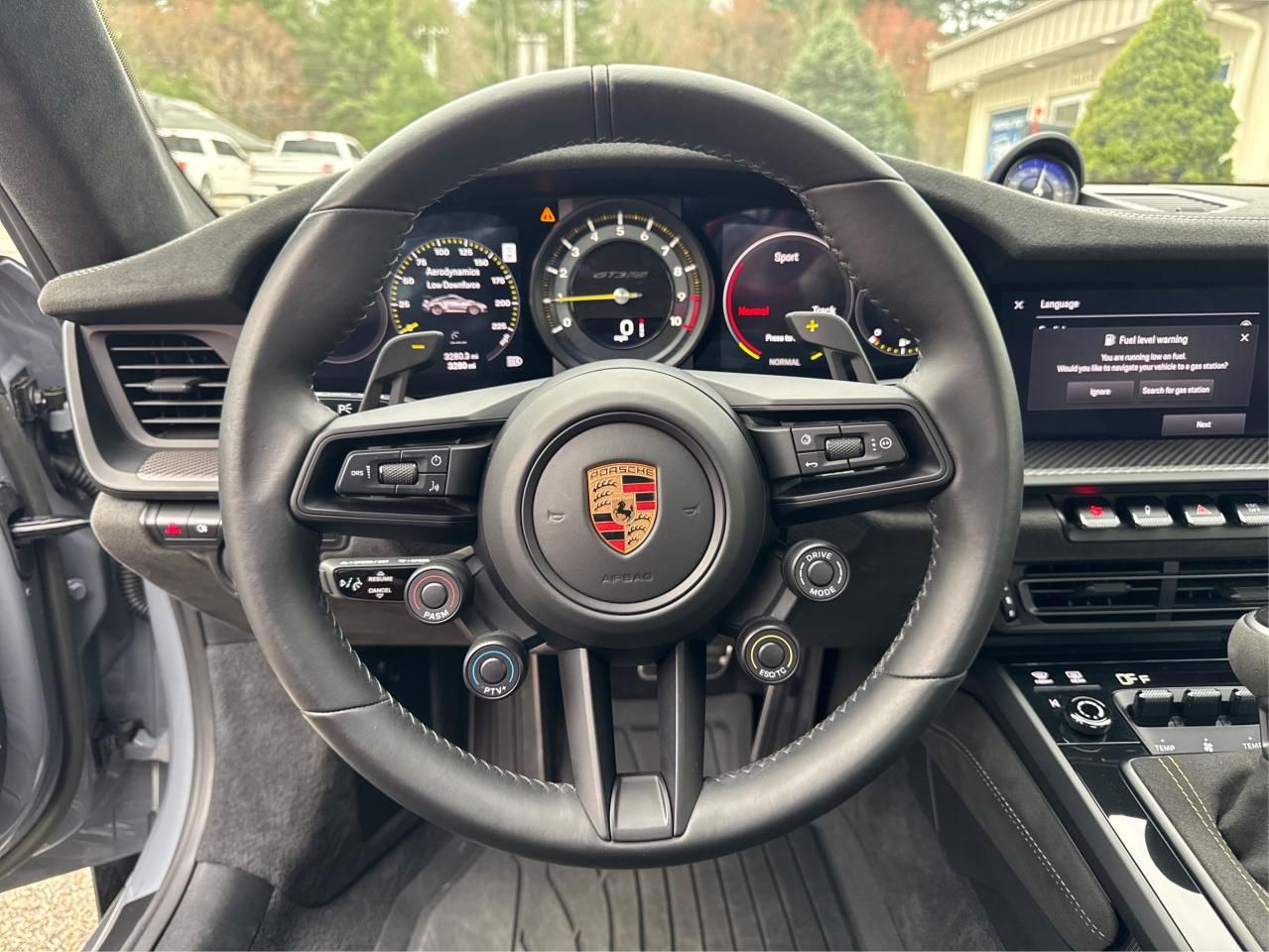
2023 Porsche 911 GT3 RS

1. Huge Selection of Used Cars

Salvage Reseller brings you an overwhelming selection of cars–from run-of-the-mill sedans and SUVs to go-for-broke luxury types and salvage title cars. With that many options, you can find the perfect vehicle for you at the right price.

2. Competitive Pricing

Because salvage resellers sell through auctions, cars often sell for well below market value. The competitive environment gives you a chance to snag one real bargain. And since you alone decide how much you’re going to pay, there’s no undue pressure that might cause you to pay more than you wanted. 

3. Transparent Vehicle Listings

The Salvage Reseller gives detailed descriptions of every vehicle, such as its condition, history, and known issues. Therefore, you can make educated decisions and avoid surprises later.

4. Easy and Secure Buying Process

Buying through a Salvage Reseller is easy and trouble-free. You can register online, browse the available cars, and bid fully from your home. They also handle all the paperwork for you throughout, simplifying the process from start to finish.

5. Access to Salvage Title Cars

If you’re into fixing up cars or making low-cost finds, Salvage Reseller will set you up with a whole world of salvage title cars at unbeatable prices. Most of these vehicles can be fixed and sold for cash back or become daily drivers.

6. Trusted by Thousands of Buyers

Salvage Reseller has given thousands of buyers the opportunity to find great bargains. Whether you want a local auction or an online auction, the security of transactions and straightforward bidding lend credibility and trustworthiness to Salvage Reseller.

What About Salvage Title Cars?

Salvage title cars, as a rule, are those vehicles that have been declared losses in whole or part by the insurance company due to damage, theft, or otherwise problematic issues. They are usually sold at auctions for a subsidized price compared to clean-title vehicles. 

Buying a salvage title vehicle can be an intelligent way to reduce costs. Still, one must know what they are getting into because such vehicles may have undisclosed problems or require serious repairs before being used legally on the road. But if you are willing to take small risks and know what to look for in a car, a salvage title car can be a steal.

Salvage resellers have considerable data on salvage title cars and massive collections.

When to Choose a Used Car Auction

You might prefer a used car auction if:

  1. You want the lowest possible price.
  2. You like the thrill of bidding and competition.
  3. You’re looking for a specific type of car, like a luxury model or a salvage title car.
  4. You’re comfortable with the “as-is” nature of auctions.

When to Choose a Private Seller

A private seller might be the better choice if:

  1. You prefer face-to-face communication with the seller.
  2. You want to negotiate directly.
  3. You value being able to inspect the car before buying.
  4. You’re not in a rush and want to take your time with the purchase.

Final Thoughts

There are advantages and disadvantages to purchasing a used car at auction versus privately: Auctions usually sell vehicles at lower prices than the private market, and they have a wider selection. However, they are always riskier. Private sellers grant you more wiggle room for negotiation and a chance to inspect the car, but probably at a higher cost for the comfort that goes along with it.

When you want to dip into used car auctioning, this is the place to go, as Salvage Reseller has heavy stock, good cuts in competitive bidding, and a secure and truly easy process through which customers will be buying its cars. 

Start shopping Salvage Reseller today and understand why so many shoppers trust the organization to get the best values in used cars! Whether you’re looking for a turn-key commuter or a dream project car, Salvage Reseller can be counted on.

Signs That a Salvage Vehicle Could Be a Good Investment

Investing in salvage vehicles can be a lucrative venture, whether you’re looking to save on your next car purchase or aiming to flip vehicles for profit. However, not all salvage vehicles are created equal. Knowing how to identify a good investment can make a significant difference. Here are five signs that a salvage vehicle could be a smart choice for your next purchase.


1. Repairable Damage


The most telling sign of a good investment is the extent and type of damage a vehicle has sustained.


  • – Minor Collision Damage: Look for vehicles that have been involved in minor accidents but lack significant structural damage. These can often be repaired easily and affordably. For instance, vehicles with a damaged fender or bumper may cost less to fix compared to those needing extensive bodywork.


  • – Cosmetic Issues: Scratches, dents, or paint imperfections often indicate cosmetic damage that can be repaired at a low cost. Focus on vehicles needing primarily cosmetic work, as they can significantly increase in value once restored.

For more insights on repairable damages, check out our Vehicle Inspection Guide.


2. Favorable Vehicle History Report


A thorough vehicle history report is crucial for assessing the viability of a salvage vehicle. Utilize services like ClearVin to check the following:

  • Clear Title Status: Make sure the vehicle has a salvage title rather than a junk title. A salvage title indicates that the vehicle has been deemed repairable and is eligible for resale, whereas a junk title often means it is unfit for use.


  • Minimal Past Accidents: Review the vehicle’s accident history. A vehicle that has been in only one minor accident is often a safer bet than one with multiple incidents, as repeated damages can lead to underlying issues.

For tips on obtaining a vehicle history report, visit our Understanding Vehicle Titles.


3. Strong Demand in the Market


Before purchasing a salvage vehicle, assess the market demand for that particular make and model.


  • – Popular Models: Vehicles from reputable manufacturers tend to maintain a higher resale value. Research makes and models that are currently in demand to ensure you’re investing wisely.


  • – Seasonal Trends: Recognize that certain vehicles may be more desirable during specific seasons. For example, convertibles may sell better in the summer months, while SUVs might be more appealing in the winter.


4. Comprehensive Inspection Reports


A comprehensive vehicle inspection can save you from unexpected expenses down the road.


  • – Professional Inspections: Hiring a certified mechanic to evaluate the vehicle can uncover hidden issues and provide an estimate of repair costs. This can prevent you from overbidding on a vehicle that may need extensive work.


  • – Maintenance Records: If the previous owner has maintained the vehicle well and kept records of repairs, this is a positive sign. A well-maintained vehicle is more likely to perform reliably after repairs.


5. Potential for Value Appreciation


Some salvage vehicles can appreciate over time, especially rare or classic models. Look for indicators of potential appreciation:


  • – Classic Cars: Classic or vintage vehicles can be a great investment if they are salvageable. Once restored, these vehicles can fetch significantly higher prices. Research models that have a history of appreciation to ensure a wise investment.


  • – Limited Editions: Limited edition vehicles often retain their value well, even in salvage condition. If you come across a limited edition model, it could be worth pursuing, provided the damage is manageable.


Identifying a salvage vehicle that could be a good investment requires a keen eye and thorough research. By looking for signs of repairable damage, obtaining favorable vehicle history reports, recognizing market demand, securing comprehensive inspection reports, and understanding potential for value appreciation, you can make informed decisions that lead to successful purchases. With the right approach, salvage vehicles can offer incredible opportunities for savings or profit.