

Clean Title Meaning vs. Salvage and Rebuilt: What Each Title Means Before You Buy
Clean, salvage or rebuilt: each title tells you something different about a car and changes what you can do after you win it. Here is what each one means, which ones you can register and drive, and how to check the title before you bid at Copart.

Jesus Lopez


| Published: November 16, 2026 | Last updated: November 16, 2026
Clean title meaning, in short: no insurer ever declared the car a total loss, so the state never branded its title. A salvage title means it was a total loss. A rebuilt title means a salvage car was repaired and passed the state inspection. At Copart you will see all three, and each changes what you can do after you win.
Key takeaways
- A clean title means no total-loss brand, not that the car was never damaged.
- A salvage title means an insurer wrote the car off, and it usually needs repairs and a state inspection before it can go back on the road.
- A rebuilt title is a former salvage car that was repaired and inspected, and the brand stays on its history.
- Every Copart listing shows the title type and the issuing state, so read it together with the damage field and a VIN report before you bid.
- Through Salvage Reseller you can bid on clean, salvage and rebuilt title vehicles without a dealer license.
In this article6 sections
What does a clean title mean on a car?
A clean title means the car has never been declared a total loss by an insurance company, so the state has never added a brand such as salvage, rebuilt or junk to its title. It is the title most cars on the road carry. Buyers, lenders and DMVs treat it as the default.
A clean title is not a condition report. A car can have a fender bender, hail dents or a big repair paid out of pocket and still keep its clean title, because the brand only appears when an insurer writes the car off. So a clean title does not mean no accidents. It means no reported total loss.
Clean is also not the same as clear. A clear title means no bank or lender has a lien on the car, and a vehicle can be clean and still financed. We cover that difference in detail in our clean vs. clear title guide.
Clean title vehicles at a Copart auction
At Copart, clean title vehicles are sold as-is, just like salvage vehicles. Many come from lease returns, bank repossessions, rental fleets and dealer trade-ins, but some arrive with damage that never became a total-loss claim. Read the primary damage field and the photos, not only the title line.
What does a salvage title mean?
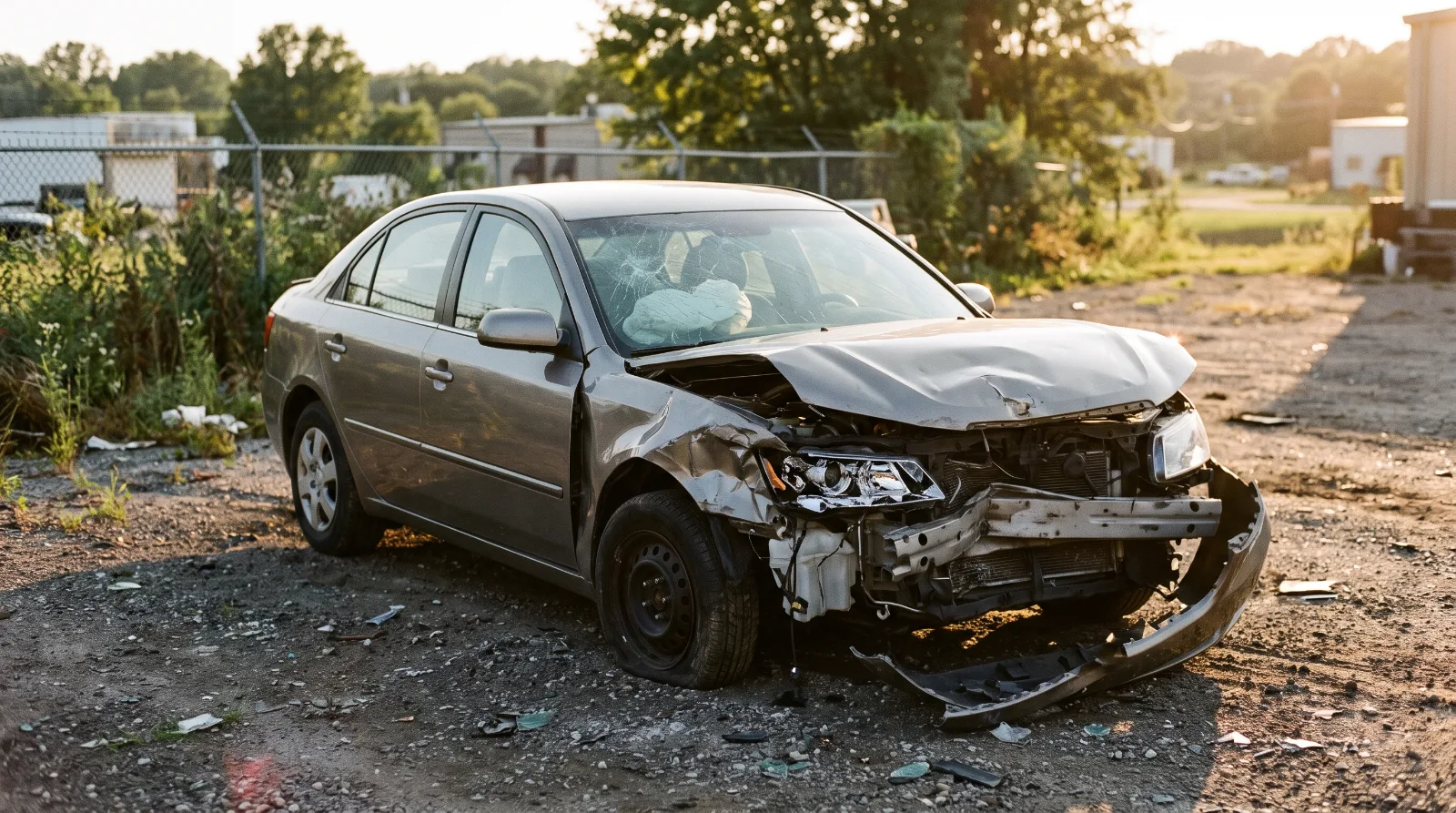
A salvage title means an insurance company declared the vehicle a total loss and the state branded its title. That usually happens when repairs would cost too much compared with the car’s value, after a collision, fire, hail or a theft recovery.
Salvage title vehicles are the rebuildable cars many of our buyers come to Copart for: mechanics, body shops, exporters and people looking for a project. Because the brand keeps many retail buyers away, they usually sell for much less than the same model with a clean title. Clean title lots draw more bidders and higher final prices, as we explain in our guide on clean titles at auction.
The trade-off is paperwork. In general, a salvage car cannot be registered for road use until it is repaired and passes the inspection your state requires. Steps, forms and even the name of the brand change from state to state, so call your DMV before you bid if you plan to drive the car.
Rebuilt (R) and other branded titles
A rebuilt title means a vehicle that once had a salvage title was repaired and passed the state inspection, so it can be registered and driven again. Some states call it reconstructed or mark it with an R. The history does not go away: the brand stays with the vehicle, and that lowers its resale value compared with a clean title.
Rebuilt title cars for sale vs. rebuilding a salvage car yourself
When you shop for rebuilt title cars for sale, you skip the repair work and the inspection, but you pay for that convenience. Buying a salvage car and rebuilding it yourself can cost less if you can do the work, find parts and handle the forms. Our guide to the salvage title rebuild process walks through each step.
Other brands you will see on listings
- Hail: usually body and glass damage, and some states brand hail total losses; our article on hail and fire damage checks explains what to look for.
- Junk, parts only or certificate of destruction: generally not meant to return to the road; buyers use these vehicles for parts.
Which title can you register and drive?
A clean title car is the easiest to register after an auction, a rebuilt title car can also be registered, a salvage title car usually needs repairs and an inspection first, and junk or parts-only vehicles generally stay off the road. The table sums it up.
| Title | What it tells you | Register and drive? | Good fit for |
|---|---|---|---|
| Clean | No total-loss brand | Yes, once the title is processed | Daily drivers, resale, export |
| Salvage | Insurer declared a total loss | Only after repairs and the state inspection | Mechanics, rebuilders, project buyers |
| Rebuilt | Repaired and inspected former salvage car | Yes, but the brand stays on its history | Budget drivers who accept lower resale |
| Junk / parts only | Not intended for road use | Generally no | Parts and dismantling |
No title lets you drive off the Copart yard. Vehicles are sold without license plates and must leave on a trailer, a tow truck or with a transport company. Once the title is processed, you register the vehicle at your local DMV.
The title is processed with your information, so you do not need to transfer it into your name later. To start, we need your signed Power of Attorney sent by regular mail, and title processing may take up to 30 business days.
Newer branded title or older clean title?
Buyers often compare a newer car with a hail brand against an older model with a clean title. If you need easy registration, financing and future resale, the older clean title car usually makes more sense. If you want more car for the money and can live with the brand, a newer vehicle with cosmetic damage can be the better deal. You can see both kinds side by side in our Toyota Avalon auction listings.
Buying to export? We advise international buyers to choose clean title vehicles, because some countries refuse branded ones, and a few refuse certain clean title vehicles too. Confirm with your country’s registration authority first, then browse our clean title cars for sale.
How to check the title before you bid at a clean title car auction

Check the title in six steps before any bid, whether it is a clean title car auction or a salvage lot. It takes minutes and can save you an expensive surprise.
- Read the title type and the issuing state on the listing, word for word, because each state names its documents differently.
- Read the primary and secondary damage, the photos and the condition notes; a clean title does not mean no damage.
- Buy the VIN report on our website to see the recorded history and whether the car comes from an insurer, a bank or a private seller.
- Cross-check the title history in NMVTIS, the federal title history system.
- Look up theft and salvage records with NICB VINCheck.
- Inspect the vehicle at the Copart yard 2 or 3 days before the auction, or hire an inspector; on auction day you cannot access the lot.
Two more details. We only have the information the seller provides about liens and title issues, so the VIN report matters. And for vehicles located in Colorado or Wisconsin, including clean and salvage titles there, you can only place a preliminary bid, not bid in the live auction.
Here is a sample of what our buyers won at Copart recently. Each of those listings showed its title type and damage before bidding opened, the same fields you should read first:
Recent sales on SalvageReseller.com
| Vehicle | Title | Yard state | Winning bid | Date |
|---|---|---|---|---|
| 2019 Infiniti Q50 3.0t Luxe | Dealer Only Clean Title | NC | $3,950 | Nov 13, 2026 |
| 2011 Jaguar Xjl Supercharged | Dis/dlr/exp App For Dup Clean | CA | $625 | Nov 11, 2026 |
| 2018 Lexus Is 300 | Dealer Only Clean Title | FL | $5,900 | Nov 10, 2026 |
| 2019 Land Rover Range Rover Velar S | Dealer Only Clean Title | SC | $10,500 | Nov 5, 2026 |
| 2016 Land Rover Range Rover Sport Se | Dealer Only Clean Title | NC | $2,400 | Nov 5, 2026 |
| 2021 Tesla Model 3 | Dealer Only Clean Title | NC | $11,800 | Oct 28, 2026 |
Winning bid at the Copart auction, before fees and taxes. These are real purchases by our buyers.
As the list shows, premium sedans, SUVs and EVs reach the auction too. The title line and the damage field are what decide whether a lot fits your plan and your budget.
Find the right title and start bidding
Now that you know what each title means, the next step is to look at real lots. Register on Salvage Reseller, upload a valid ID (a US driver’s license or any passport) and leave a refundable security deposit of at least $600. You do not need a dealer license.
Then filter by title type, read every field and bid on the vehicle that matches your plan, whether that is a daily driver or a rebuild project. New lots enter Copart every day, so browse all salvage cars for sale and add the ones you like to your watchlist.
Frequently Asked Questions
Is a blue title a clean title?
In some states, people call a clean title a blue title because of the color the state prints it in. Title colors are not standard across states, though, so the color alone proves nothing. Read the brand printed on the document itself and check the vehicle's title history with a VIN report before you buy.
Does a clean title mean the car has no accidents?
No. A clean title only means no insurer declared the car a total loss. Accidents repaired out of pocket, or claims that never reached total loss, leave the title clean. At Copart, clean title vehicles can also arrive with recent damage, so read the primary damage field, study the photos and get a VIN report before bidding.
Can I buy a clean title car at auction without a dealer license?
Yes. Through Salvage Reseller you register with a valid ID (a US driver's license or any passport), leave a refundable security deposit of at least $600 and place your own bids on Copart vehicles. You do not need a dealer license or a registered business.
How long does the title take after I win at Copart?
Payment is due within three business days, counting the auction day. Once we receive your payment and your signed Power of Attorney by regular mail, title processing may take up to 30 business days. You receive the bill of sale and the title in your name; for international buyers, the title goes to the shipping carrier.
Is a rebuilt title better than a salvage title?
For driving, usually yes: a rebuilt title car has already been repaired and passed the state inspection, so it can be registered. A salvage title car normally needs that work first, which is why it sells for less. Choose salvage if you can handle the repairs; choose rebuilt if you want to drive sooner and accept the permanent brand.
Written by Jesus Lopez
CTO and owner of Inloher Corp, the company behind SalvageReseller.com, the longest-running Copart broker in America. For 22 years we’ve given everyday buyers access to Copart auctions, with no dealer license needed. 35,000+ sales and 250,000+ members later, we’re ready to help you.


