

Why start a car restoration business?
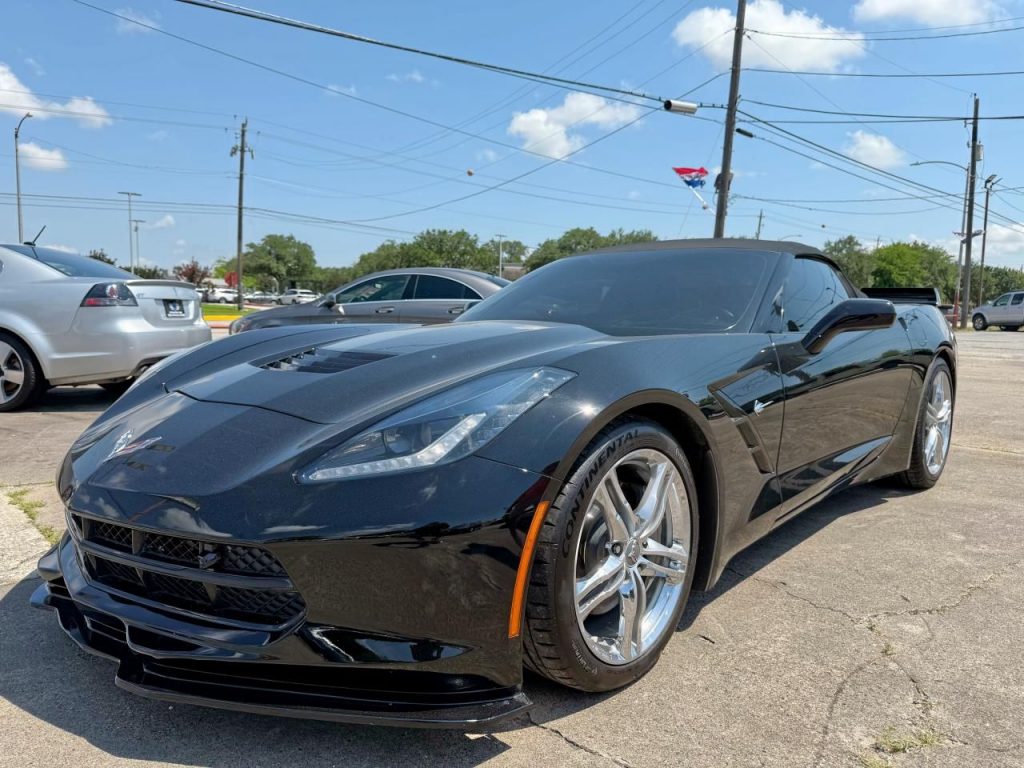
Starting a car restoration business can be a rewarding and profitable venture. There are several reasons why individuals choose to embark on this journey. One of the main factors to consider is the potential to find great deals on salvage vehicles through salvage auctions. Salvage auctions offer a wide range of vehicles that have been damaged but can be restored to their former glory. When starting a car restoration business, it is important to look for certain factors in a salvage vehicle. These factors include the extent of the damage, the availability of replacement parts, and the overall cost of repairs. By carefully evaluating these factors, entrepreneurs can make informed decisions and maximize their chances of success in the car restoration industry.
Overview of the article
In the article titled ‘Using Salvage Auctions to Start a Car Restoration Business’, the author provides an overview of the various aspects involved in starting a car restoration business using salvage auctions. The article highlights the importance of finding the right salvage auctions to source vehicles for restoration projects. By finding reputable salvage auctions, car enthusiasts and entrepreneurs can access a wide range of vehicles at affordable prices, allowing them to kickstart their car restoration business. Additionally, finding salvage auctions that offer detailed vehicle history reports can help buyers make informed decisions and avoid potential pitfalls. With the right research and due diligence, finding suitable salvage auctions can be a crucial step towards building a successful car restoration business.
Understanding Salvage Auctions
How salvage auctions work
Salvage auctions are a crucial component of starting a car restoration business. When it comes to buying salvage cars, these auctions provide a unique opportunity to acquire vehicles at a fraction of their market value. By participating in salvage auctions, entrepreneurs can find damaged cars that can be repaired and resold for a profit. The process of buying salvage cars at auctions involves bidding on vehicles that have been deemed total losses by insurance companies. It is important to thoroughly research the vehicles before bidding and to have a clear understanding of the salvage title and any potential repairs needed. With the right knowledge and strategy, buying salvage cars at auctions can be a lucrative venture for those looking to start a car restoration business.
Types of salvage vehicles
When it comes to salvage vehicles, there are various types that can be considered for a car restoration business. One of the key categories is clean title cars. These vehicles have not been deemed a total loss by insurance companies and can be a great starting point for restoration projects. Clean title cars offer the opportunity to work on vehicles that have minimal damage and can be repaired to their original condition. By purchasing clean title cars from salvage auctions, aspiring car restorers can find affordable options to kickstart their business.
Benefits and risks of buying from salvage auctions
When it comes to starting a car restoration business, buying from salvage auctions can offer several benefits. One of the main advantages is the potential cost savings. Salvage vehicles are often sold at significantly lower prices compared to their market value, allowing entrepreneurs to acquire multiple vehicles for a fraction of the cost. Additionally, salvage auctions provide access to a wide range of vehicles, including rare and vintage models, which can be difficult to find through traditional channels. However, it is important to consider the risks associated with buying from salvage auctions. The condition of the vehicles may vary, and extensive repairs may be required to restore them to a sellable condition. It is crucial to thoroughly inspect the vehicles and assess the potential repair costs before making a purchase. Despite the risks, buying from salvage auctions can be a viable option for entrepreneurs looking to start a car restoration business and capitalize on the opportunities they offer.
Setting Up Your Car Restoration Business
Choosing a location
When it comes to choosing a location for your car restoration business, there are several factors to consider. First and foremost, you want to select a location that is easily accessible to your target market. This means finding a spot that is conveniently located near major highways or main roads. Additionally, you want to consider the size and layout of the space. You will need enough room to store and work on multiple cars at once, so finding a location with ample square footage is essential. Another important factor to consider is the cost of the location. You want to find a space that fits within your budget while still providing the necessary amenities and infrastructure for your business. Lastly, it is crucial to research the local zoning regulations and any restrictions that may affect your car restoration business. By carefully considering these factors, you can choose a location that sets your car restoration business up for success.
Obtaining necessary licenses and permits
Obtaining necessary licenses and permits is a crucial step in starting a car restoration business. Before embarking on any restoration projects, it is important to ensure that you have the required licenses and permits to operate legally. This may include obtaining a business license, a seller’s permit, and any specific permits related to the automotive industry. Additionally, it is essential to research and comply with any local, state, and federal regulations regarding environmental, safety, and zoning requirements. By obtaining the necessary licenses and permits, you can establish your business as a legitimate and trustworthy operation, ensuring that you can operate smoothly and avoid any legal issues in the future.
Setting up a workspace and acquiring tools
Setting up a workspace and acquiring tools is an essential step in starting a car restoration business. It is important to have a dedicated space where you can work on the vehicles and store the necessary tools and equipment. Whether you choose to set up your workspace in a garage or a separate building, make sure it is well-ventilated and has adequate lighting. Acquiring the right tools is also crucial for the success of your business. Invest in high-quality tools such as wrenches, screwdrivers, and socket sets to ensure efficient and precise work. Additionally, consider the specific needs of your target market, such as elderly parents who may require modifications to their cars for accessibility. By catering to these needs, you can attract a niche market and differentiate your business from competitors. Remember to provide hyperlinks for keywords like ‘elderly parent car’ to provide additional information and resources for your readers.
Finding and Evaluating Salvage Vehicles
Researching salvage auctions and online platforms
Researching salvage auctions and online platforms is a crucial step for anyone looking to start a car restoration business. One of the key aspects to consider is the salvage title. A salvage title indicates that a vehicle has been damaged and deemed a total loss by an insurance company. This means that the car has undergone significant repairs or has been rebuilt. Understanding the implications and risks associated with salvage titles is essential for making informed decisions when purchasing vehicles from salvage auctions. Online platforms provide a convenient way to access a wide range of salvage auctions, allowing entrepreneurs to browse through various options and find vehicles that align with their restoration goals and budget. By thoroughly researching salvage auctions and utilizing online platforms, aspiring car restoration business owners can find hidden gems that have the potential to be transformed into valuable assets.
Inspecting salvage vehicles
When it comes to inspecting salvage vehicles, one important aspect to consider is finding the best truck for a plow. A plow truck is essential for clearing snow and ice during the winter season. It needs to be reliable, durable, and capable of handling heavy-duty tasks. The best truck for a plow should have a powerful engine, a sturdy frame, and a reliable four-wheel drive system. Additionally, it should have features such as a reinforced front bumper, snow tires, and a spacious cab for comfort. By choosing the right truck for a plow, car restoration businesses can ensure efficient snow removal and provide reliable services to their customers.
Evaluating repair costs and potential profit
When it comes to evaluating repair costs and potential profit in the car restoration business, there are several factors to consider. One of the key advantages of getting an auction car inspected is that it allows you to identify any hidden issues or damage that may not be immediately apparent. By having a professional inspect the car before purchasing it, you can avoid costly surprises down the line. Additionally, an inspection can help you determine the extent of repairs needed and estimate the associated costs. This information is crucial in assessing whether a particular auction car is worth investing in and whether it has the potential to generate a profit.
Restoring Salvage Vehicles
Developing a restoration plan
Developing a restoration plan is a crucial step in starting a car restoration business. This plan serves as a roadmap for the entire restoration process, outlining the necessary steps and resources needed to bring a vehicle back to its former glory. It involves assessing the condition of the car, setting restoration goals, creating a timeline, and budgeting for the project. By carefully planning and organizing the restoration process, business owners can ensure that they stay on track and achieve the desired results. Additionally, a well-developed restoration plan can also help attract potential investors and customers who are interested in the services offered by the business.
Repairing structural damage
Repairing structural damage is a crucial step in the car restoration process. Whether it’s a result of a collision, rust, or age, addressing structural issues is essential for ensuring the safety and integrity of the vehicle. This involves identifying and repairing any damage to the frame, chassis, or body structure. Professional restoration experts use specialized tools and techniques to carefully assess the extent of the damage and determine the best course of action. From welding and reinforcing weak areas to replacing damaged components, the goal is to restore the car’s structural integrity and make it roadworthy once again. By successfully repairing structural damage, car restoration enthusiasts can breathe new life into vintage vehicles and create stunning works of automotive art.
Addressing mechanical and electrical issues
Addressing mechanical and electrical issues is a crucial step in the car restoration process. Whether you are starting a car restoration business or working on your own project, understanding and fixing these issues is essential. Mechanical issues can range from engine problems to suspension and steering issues, while electrical issues can include faulty wiring and malfunctioning components. By addressing these issues, you ensure that the car is safe to drive and functions properly. Additionally, by fixing these issues, you increase the value of the car, making it more attractive for potential buyers or collectors. With the help of salvage auctions, car shopping made simple, you can find affordable vehicles with mechanical and electrical issues that can be restored to their former glory. By purchasing these salvage cars and addressing their issues, you can start a successful car restoration business and turn your passion for cars into a profitable venture.
Selling Restored Vehicles
Marketing and advertising strategies
Marketing and advertising strategies play a crucial role in the success of any business, including a car restoration business. One effective strategy is to leverage the power of storytelling by incorporating the human stories behind each restoration project. By highlighting the unique challenges, triumphs, and personal connections associated with the cars being restored, a car restoration business can create a strong emotional connection with potential customers. These stories can be shared through various marketing channels, such as social media, blog posts, and videos, allowing the business to engage with a wider audience and differentiate itself from competitors. The human stories serve as powerful marketing tools, capturing the attention and interest of car enthusiasts and potential clients alike. By showcasing the passion, dedication, and craftsmanship involved in the restoration process, the business can attract customers who appreciate the value of preserving automotive history and supporting skilled artisans.
Pricing your restored vehicles
When it comes to pricing your restored vehicles, there are several factors to consider. Firstly, you need to take into account the cost of the restoration itself. This includes the price of parts, labor, and any additional expenses incurred during the process. Secondly, you should research the market and analyze the prices of similar restored vehicles. This will give you an idea of the current market value and help you set a competitive price. Additionally, you should consider the demand for your specific type of vehicle. If there is a high demand, you may be able to price your restored vehicles higher. On the other hand, if the demand is low, you may need to adjust your pricing strategy accordingly. Lastly, don’t forget to factor in your desired profit margin. It’s important to ensure that your pricing allows for a reasonable profit while still attracting potential buyers. By considering these factors and finding the right balance, you can effectively price your restored vehicles and maximize your business’s success.
Negotiating and closing sales
Negotiating and closing sales in the salvage industry requires a unique set of skills and strategies. One of the key factors in successful negotiations is understanding the value of salvage vehicles and being able to assess their condition accurately. It is important to research the market and stay updated on current salvage prices to ensure you are offering a fair deal to both the buyer and seller. Building good relationships with salvage auctioneers and sellers can also help in negotiating better prices and securing desirable salvage vehicles. Effective communication, persuasive negotiation techniques, and the ability to close deals efficiently are essential in this competitive industry.