
What Should I Check Before Buying Repo Boats for Sale?


Buying a boat can be a dream come true. But when you’re looking at repo boats for sale, you need more than just excitement; you need a smart strategy. Even while salvage auctions might yield significant savings on these seized vessels, if you don’t do your research, that ideal bargain could end up becoming a money hole.


This tutorial will provide you with step-by-step instructions on what to look for before putting in a bid, regardless of your level of experience. The goal? Help you find a hidden gem without getting soaked by surprise repairs or red tape.


What Are Repo Boats?


Let’s start with the basics. Repo boats are vessels reclaimed by lenders when the original owner falls behind on payments. Since banks don’t want to store or maintain them, these boats often end up at auction, right alongside salvage, storm-damaged, and clean-title boats.


This is where Salvage Reseller makes the process easier. They connect public buyers to dealer-only salvage auctions, giving you access to a huge selection of repo boats for sale without needing a dealer license.


Why Buy Repo Boats from Salvage Auctions?


Because smart buyers love big savings, boats sold at salvage auctions can go for a fraction of their original value. If you’re on a budget, love a good project, or want to flip for profit, repo boats are full of potential. Many weren’t damaged, just taken back by a lender, and can still be in excellent shape.


The fact is, though, that not all listings are a good deal. Some boats aren’t worth your time, some require maintenance, and some have unspoken problems. That’s why checking the details before you bid is absolutely essential.


1. Check the Hull Condition First


Your starting point is the hull. All other things might be in jeopardy if it is compromised. It is important to take seriously any cracks, warping, or indications of impact damage.


What to do:

  • – Zoom in on every photo provided 
  • – If possible, inspect the boat in person at the storage yard 
  • – Watch for obvious repairs, patches, or structural changes 


A damaged hull doesn’t mean you should walk away, but you should factor the cost of repairs into your max bid.


2. Review the Title Status


Don’t get tripped up by paperwork. The title status tells you a lot about the boat’s history and what you’ll be dealing with down the road.


Here’s what the terms mean:


  • – A clean title means no history of damage or loss 
  • – Salvage title usually means the boat was in an accident or written off by insurance 
  • – Rebuilt title indicates a salvage boat that’s been repaired and inspected 


Salvage Reseller provides title details upfront, so you’re never bidding blind.


3. Inspect the Engine (If There Is One)


The engine is often the most expensive part of a boat, and one of the biggest risks in a repo sale.

Ask yourself:

  • – Is the engine visible in the photos? 
  • – Does the listing say it starts or runs? 
  • – Are there any indications of water damage, rust, or corrosion? 


If the engine is listed “as-is” or “not tested,” be cautious. Some buyers grab repo boats for the hull alone and plan to add a new engine later.


4. Ask About Water Intrusion or Flood Damage


Water damage is a serious risk, particularly for vessels traveling from areas that are prone to storms. Although they may appear good at first, flooded boats conceal serious problems.

Look closely for:


  • – Water lines inside the cabin 
  • – Rust on wires or electrical panels 
  • – Mold or discoloration in odd places 


Read the listing details carefully. Even a clean-looking repo boat for sale might have water intrusion issues if you’re not paying attention.


5. Check Trailer Availability (If Needed)


You found the perfect boat, but how are you getting it home? Many repo boats in salvage auctions are sold without trailers.

Before bidding:

  • – Check if a trailer is included or listed separately 
  • – Make sure it’s in working condition if it’s part of the deal 
  • – Add trailer costs to your budget if it’s missing 


Hauling a boat without a trailer is possible, but it can get expensive fast.


6. Research Market Value


This is where smart bidders separate themselves from the pack. Don’t just rely on the auction price; do your homework.


Use sites like NADA Guides or marine classified listings to:

  • – Compare similar boats by brand, model, year, and condition 
  • – Set a realistic bid range 
  • – Don’t overspend or pass up an inexpensive gem 


Going in with a clear idea of value puts you in control and helps you spot the true opportunities.


7. Know the Fees and Shipping Costs


The bid is only part of the cost. Always factor in additional expenses, including:

  • – Auction and broker fees 
  • – Title transfer and registration 
  • – Shipping or transportation fees 


Salvage Reseller will take care of the necessary paperwork and even help arrange the shipping in case you are out of state, but it is up to you to find out the total price of the bargain before placing a bid.


8. Read the Auction Terms Carefully


Each auction is conducted individually. A single omitted element could result in unforeseen costs or wasted time.


Ask these questions before you commit:

  • – Is a deposit required before I may bid?  
  • – What happens if I win and change my mind? 
  • – How long do I have to arrange pickup? 
  • – Are inspections allowed before bidding closes? 


Read the small print and you will come across no surprises and be able to bid cleverly.


Final Thoughts: Is a Repo Boat Right for You?


Making a purchase through salvage auctions is not all about getting a good deal; it is also about ensuring that it is a good deal. By taking time to look at the condition of the boat, checking on the title, and running the numbers, you make sure you are not surprised, and you put yourself in the position of making a smarter buy.


A potential buyer should take repo boats for sale seriously and only make the right decisions after having the correct information and a plan. Do not even be distracted by the low price tag from the most important details.


You have a higher chance of locating a boat that meets your demands and budget if you are more organized.


Are you prepared to search live auctions for your new boat? With Salvage Reseller, you can begin bidding with assurance right now.


Ready to Start Bidding?


Salvage Reseller makes the procedure easy and stress-free if you’re prepared to go through thousands of listings for repo boats for sale. No dealer license required. Just powerful search tools, helpful filters, and expert support to guide you from bidding to ownership.


Browse today at Salvage Reseller and find the deal that gets you back on the water.

Signs That a Salvage Vehicle Could Be a Good Investment

Investing in salvage vehicles can be a lucrative venture, whether you’re looking to save on your next car purchase or aiming to flip vehicles for profit. However, not all salvage vehicles are created equal. Knowing how to identify a good investment can make a significant difference. Here are five signs that a salvage vehicle could be a smart choice for your next purchase.


1. Repairable Damage


The most telling sign of a good investment is the extent and type of damage a vehicle has sustained.


  • – Minor Collision Damage: Look for vehicles that have been involved in minor accidents but lack significant structural damage. These can often be repaired easily and affordably. For instance, vehicles with a damaged fender or bumper may cost less to fix compared to those needing extensive bodywork.


  • – Cosmetic Issues: Scratches, dents, or paint imperfections often indicate cosmetic damage that can be repaired at a low cost. Focus on vehicles needing primarily cosmetic work, as they can significantly increase in value once restored.

For more insights on repairable damages, check out our Vehicle Inspection Guide.


2. Favorable Vehicle History Report


A thorough vehicle history report is crucial for assessing the viability of a salvage vehicle. Utilize services like ClearVin to check the following:

  • Clear Title Status: Make sure the vehicle has a salvage title rather than a junk title. A salvage title indicates that the vehicle has been deemed repairable and is eligible for resale, whereas a junk title often means it is unfit for use.


  • Minimal Past Accidents: Review the vehicle’s accident history. A vehicle that has been in only one minor accident is often a safer bet than one with multiple incidents, as repeated damages can lead to underlying issues.

For tips on obtaining a vehicle history report, visit our Understanding Vehicle Titles.


3. Strong Demand in the Market


Before purchasing a salvage vehicle, assess the market demand for that particular make and model.


  • – Popular Models: Vehicles from reputable manufacturers tend to maintain a higher resale value. Research makes and models that are currently in demand to ensure you’re investing wisely.


  • – Seasonal Trends: Recognize that certain vehicles may be more desirable during specific seasons. For example, convertibles may sell better in the summer months, while SUVs might be more appealing in the winter.


4. Comprehensive Inspection Reports


A comprehensive vehicle inspection can save you from unexpected expenses down the road.


  • – Professional Inspections: Hiring a certified mechanic to evaluate the vehicle can uncover hidden issues and provide an estimate of repair costs. This can prevent you from overbidding on a vehicle that may need extensive work.


  • – Maintenance Records: If the previous owner has maintained the vehicle well and kept records of repairs, this is a positive sign. A well-maintained vehicle is more likely to perform reliably after repairs.


5. Potential for Value Appreciation


Some salvage vehicles can appreciate over time, especially rare or classic models. Look for indicators of potential appreciation:


  • – Classic Cars: Classic or vintage vehicles can be a great investment if they are salvageable. Once restored, these vehicles can fetch significantly higher prices. Research models that have a history of appreciation to ensure a wise investment.


  • – Limited Editions: Limited edition vehicles often retain their value well, even in salvage condition. If you come across a limited edition model, it could be worth pursuing, provided the damage is manageable.


Identifying a salvage vehicle that could be a good investment requires a keen eye and thorough research. By looking for signs of repairable damage, obtaining favorable vehicle history reports, recognizing market demand, securing comprehensive inspection reports, and understanding potential for value appreciation, you can make informed decisions that lead to successful purchases. With the right approach, salvage vehicles can offer incredible opportunities for savings or profit.


Top Selling Salvage Pickup Trucks of 2024

The pickup truck market continues to thrive in 2024, with salvage vehicles being an excellent option for those looking for quality trucks at a fraction of the price. Whether you’re searching for a workhorse, an off-road champion, or a family vehicle, salvage auctions offer a wide variety of pickup trucks. At SalvageReseller.com, we make it easy for you to access Copart’s auctions without needing a dealer’s license, bringing you the best deals on top-selling trucks.


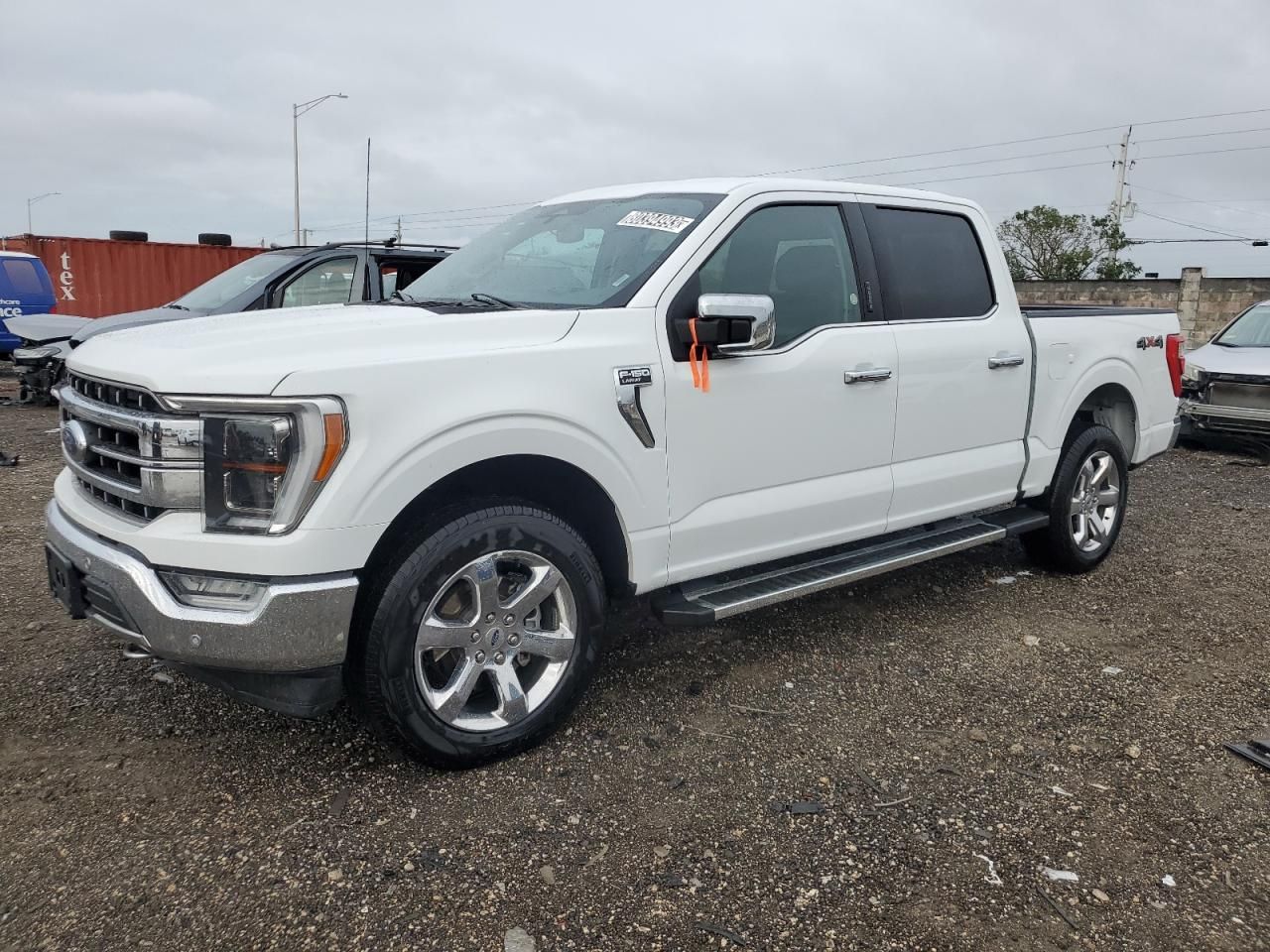
1. Ford F-150


The Ford F-150 remains one of the best-selling salvage trucks in 2024. Known for its reliability, performance, and towing capacity, the F-150 is a favorite among buyers looking for a truck that can do it all. Salvage models of the F-150 are often available at a fraction of the cost, making it a great choice for those seeking an affordable yet powerful truck. Whether it’s front-end damage, flood exposure, or minor wear and tear, many of these trucks are easily repairable and ready to hit the road again.


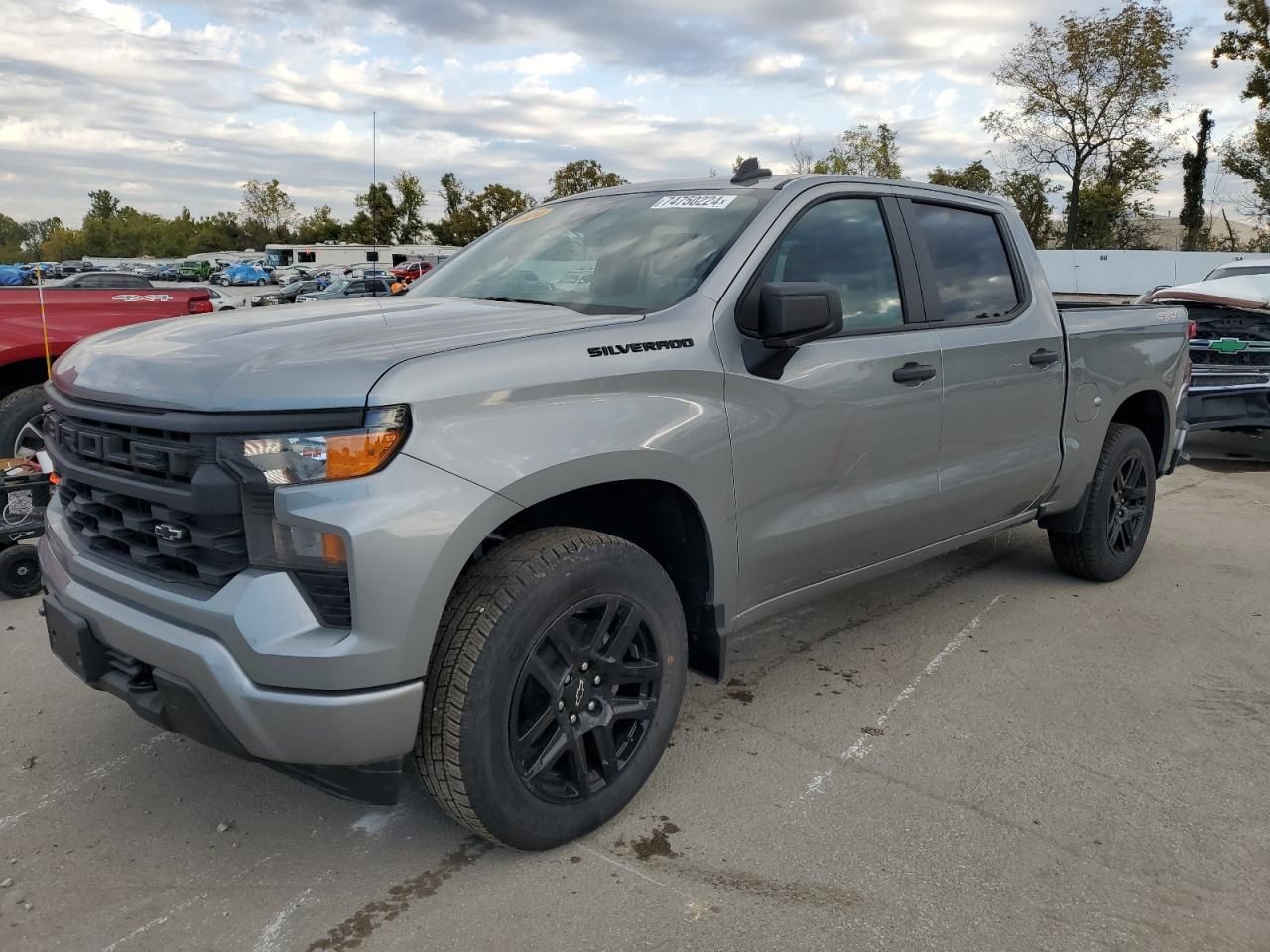
2. Chevrolet Silverado 1500


Another top seller in salvage auctions this year is the Chevrolet Silverado 1500. Offering a range of powerful engines and a durable design, this truck is popular among those in construction, farming, and heavy-duty towing. Many buyers opt for salvage Silverados that have minimal damage, such as cosmetic dents or light body work, making them a steal at auction. SalvageReseller.com provides access to hundreds of Silverado listings through Copart, giving buyers a variety of models to choose from.


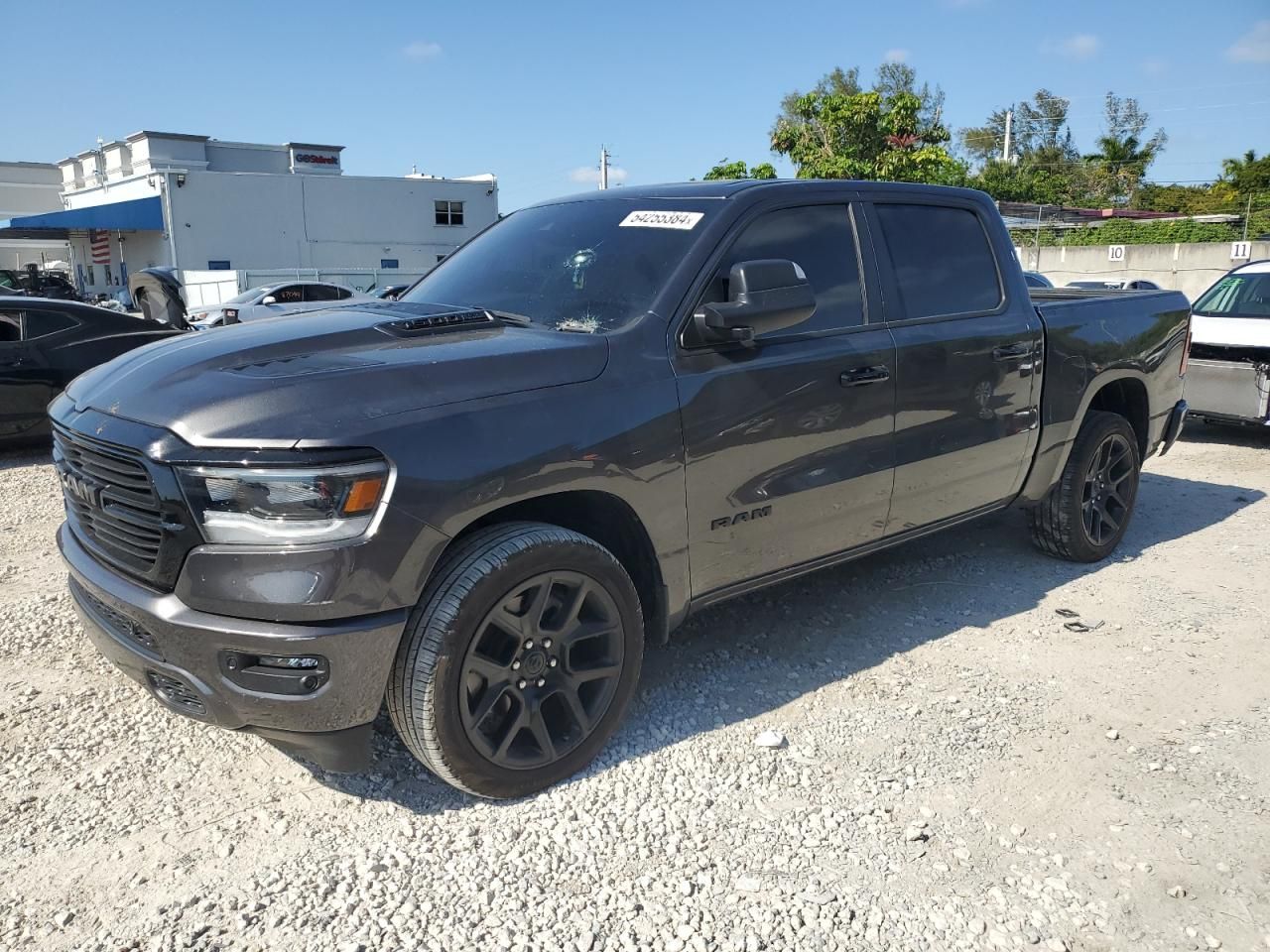
3. Ram 1500


The Ram 1500 is a crowd-pleaser when it comes to comfort, technology, and capability. It’s no surprise that it’s one of the most sought-after salvage pickups in 2024. Buyers love its smooth ride and luxurious interior, and salvage auctions offer a variety of Ram 1500s with different types of damage, from light frame damage to flood or hail impact. At SalvageReseller.com, we provide detailed listings that help you assess the condition and repair potential of each Ram 1500 available at auction.


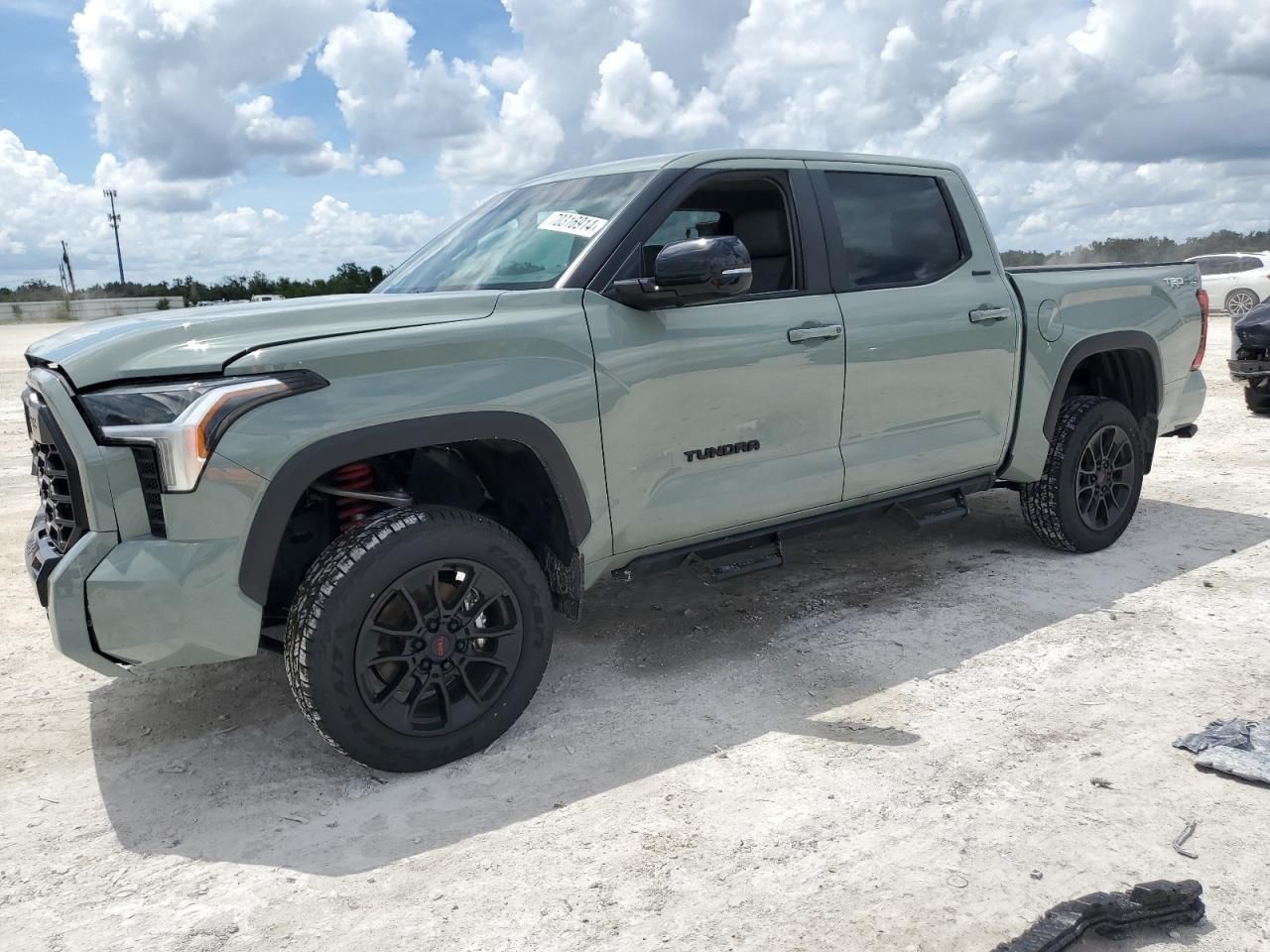
4. Toyota Tundra


Known for its durability and reliability, the Toyota Tundra is another top-selling salvage truck this year. Its robust build and off-road capabilities make it a favorite for buyers who need a truck that can withstand tough conditions. Salvage Tundras are commonly available with minor damage such as front-end collisions or wear from extended use, and they are often sold at deep discounts. With SalvageReseller.com, you can find a wide selection of Toyota Tundras ready to be restored to their former glory.


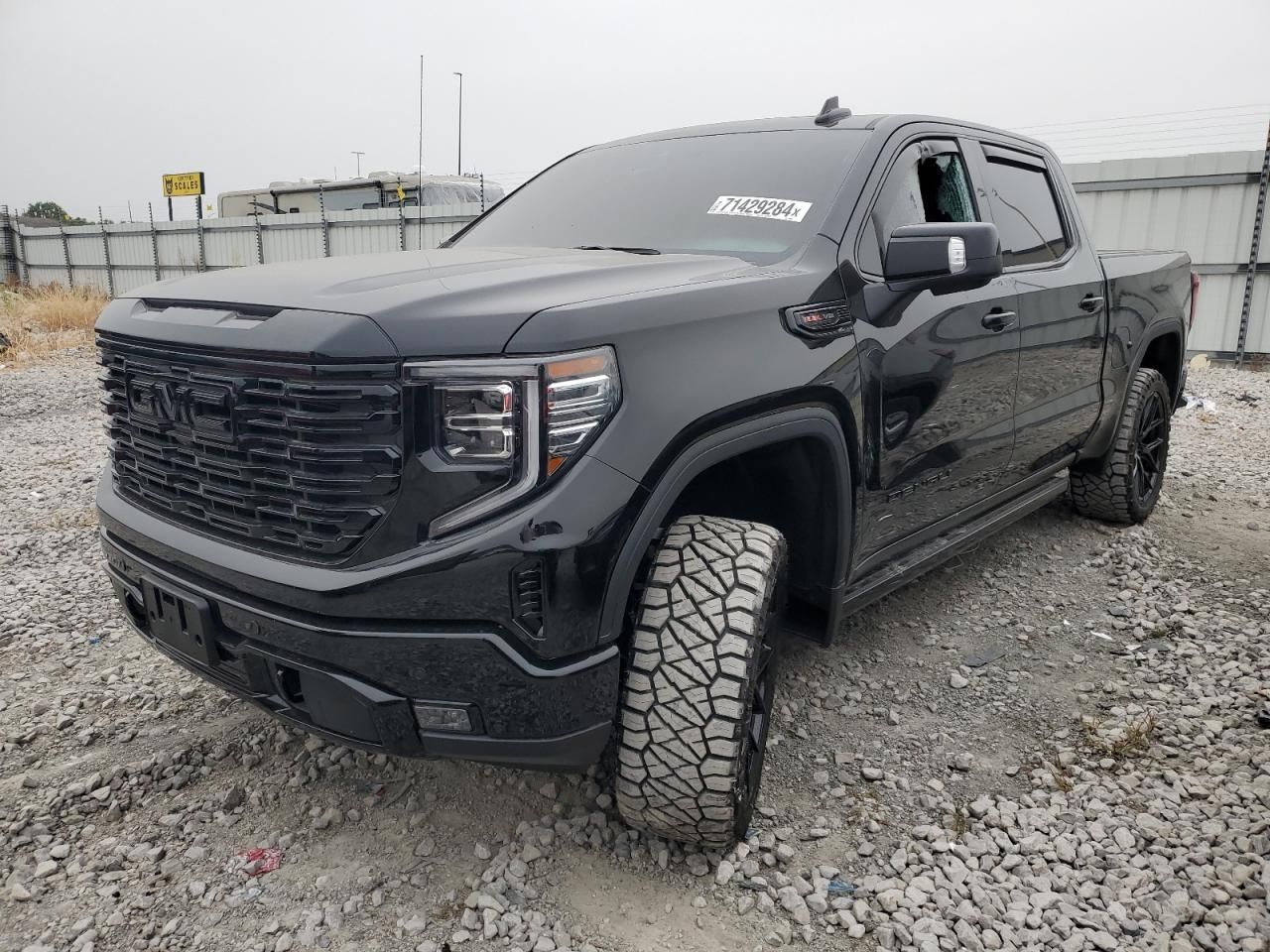
5. GMC Sierra 1500


Rounding out our list is the GMC Sierra 1500, a popular choice for those looking for a combination of performance, luxury, and technology. The Sierra 1500 offers a high level of customization, and even salvage models come equipped with premium features. Many buyers are able to find Sierra 1500s at auction with repairable damage, from minor dents to more extensive bodywork. SalvageReseller.com offers access to these auctions, allowing buyers to purchase and repair these premium trucks at a fraction of the cost.


Why Choose SalvageReseller.com for Your Pickup Truck Purchase?


At SalvageReseller.com, we are an authorized broker of Copart, one of the largest online salvage auction platforms in the world. Our platform allows you to bid on and purchase vehicles without the need for a dealer’s license, giving you direct access to thousands of salvage vehicles. Here’s why SalvageReseller.com is the best place to buy your next pickup truck:


– Wide Selection: With access to Copart’s extensive inventory, you’ll find a variety of makes and models, including top-selling trucks like the Ford F-150, Chevrolet Silverado, and more.

– No Dealer’s License Required: We eliminate the hassle of needing a dealer’s license, so you can participate in auctions easily.

– Detailed Listings: Our platform provides comprehensive vehicle information, including damage reports, photos, and history, so you can make informed decisions.

– Affordable Prices: Salvage vehicles can be purchased for a fraction of the cost of new trucks, offering significant savings for budget-conscious buyers.


If you’re in the market for a reliable pickup truck at a great price, salvage auctions are a fantastic option. Head over to SalvageReseller.com to browse the latest listings and start bidding on your next truck today!


Get a Sports Car Without Breaking the Bank

Purchasing a sports car can often feel like a distant dream, especially with the high price tags typically associated with these vehicles. However, salvage auctions provide an excellent opportunity to acquire a performance vehicle without breaking the bank. At SalvageReseller.com, a trusted Copart broker with over 20 years of experience, buyers can access a wide array of sports cars at competitive prices. Here’s how you can score your dream sports car through a salvage auction, featuring some exciting options available right now.


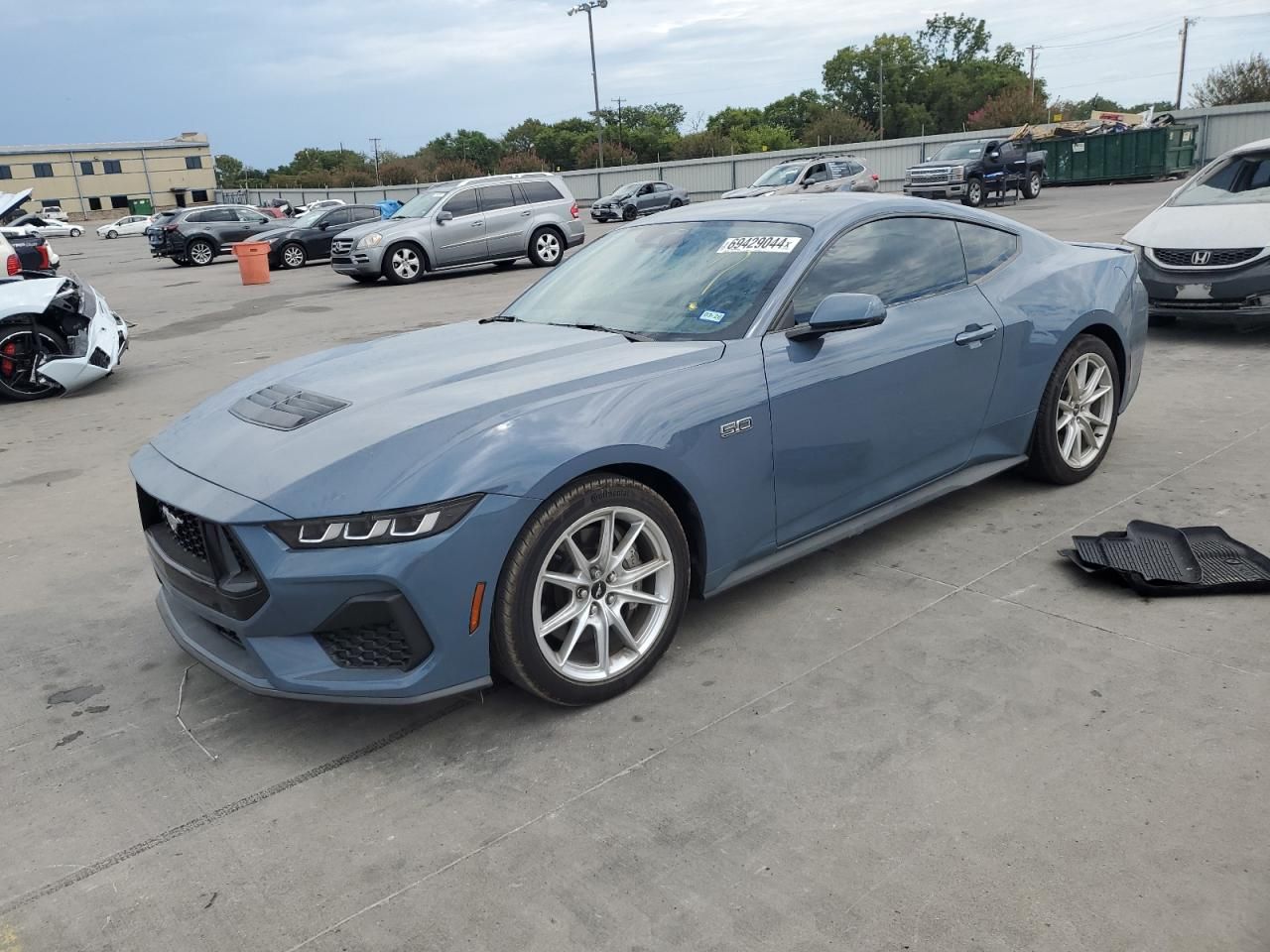
1. Ford Mustang


The Ford Mustang is an American classic known for its muscle and performance. With various engine options, including the powerful 5.0-liter V8 in the GT models, the Mustang offers thrilling performance at an affordable price. Many Mustangs found at salvage auctions may have minor body damage or mechanical issues, allowing you to restore them for a fraction of the retail price. Check out available Ford Mustangs at SalvageReseller.


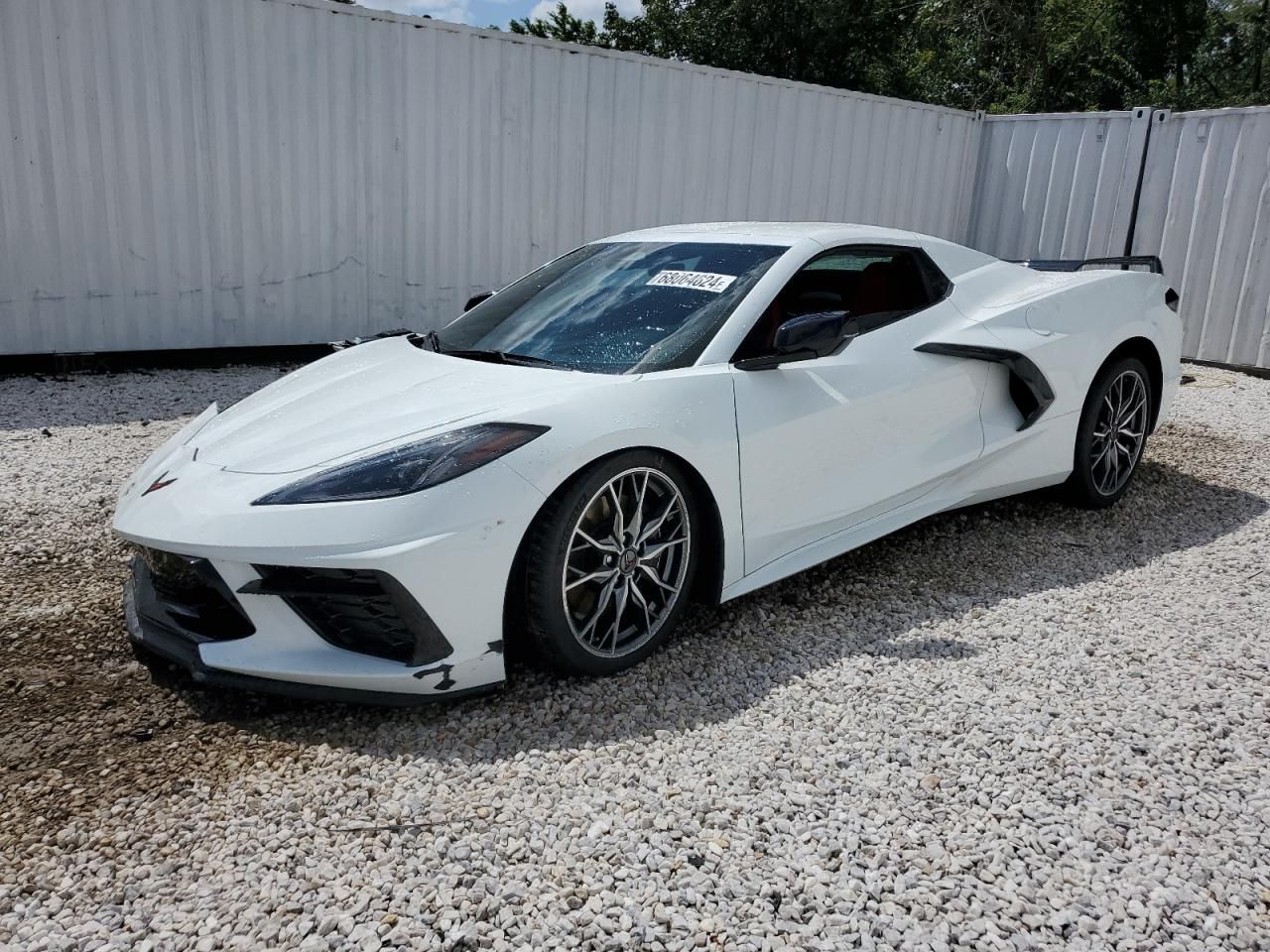
2. Chevrolet Corvette


The Chevrolet Corvette is synonymous with high performance and style. With its lightweight body and powerful engines, including the impressive 6.2-liter V8, the Corvette is a sought-after sports car. Salvage auctions often feature Corvettes that have been lightly damaged, presenting an opportunity to own this iconic car at a significantly reduced cost. Explore the available Corvettes at SalvageReseller.


3. Porsche 911


The Porsche 911 is renowned for its precision engineering and sporty performance. With its distinctive design and rear-engine layout, the 911 offers an exhilarating driving experience. Salvage auctions frequently list 911s with minor damages, making them an attractive option for buyers looking to own a luxury sports car without the hefty price tag. Browse the Porsche 911 listings on SalvageReseller.


4. BMW M3


The BMW M3 combines luxury and performance, featuring a turbocharged engine and a well-crafted interior. This sports sedan is perfect for those who appreciate both speed and comfort. Salvage auctions may include M3s with various repairable issues, allowing you to enjoy a high-performance vehicle at a lower cost. Find your BMW M3 at SalvageReseller.


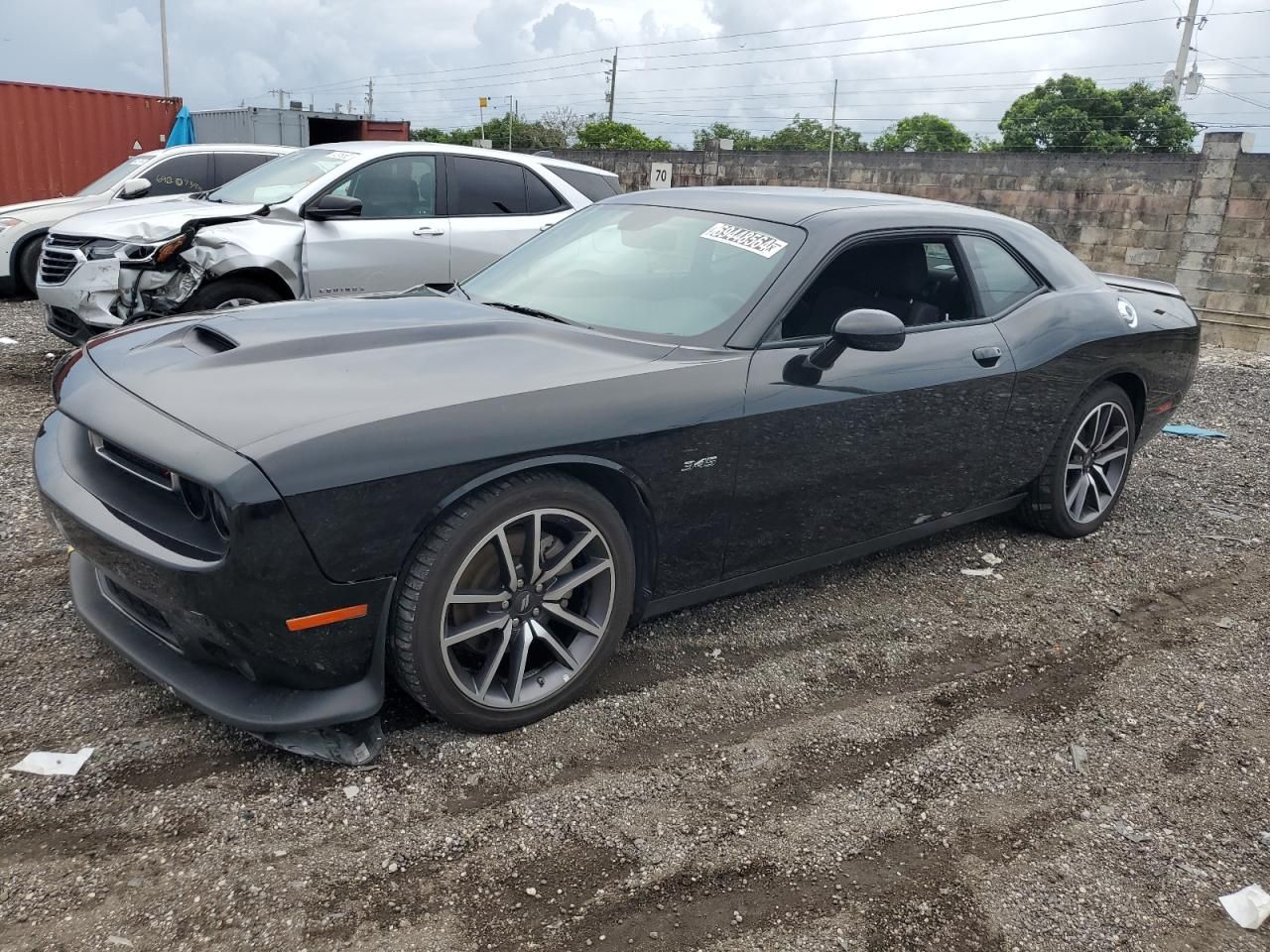
5. Dodge Challenger


The Dodge Challenger is a muscle car that packs a punch with its bold design and powerful V8 options. Known for its straight-line speed, the Challenger is a favorite among muscle car enthusiasts. Many salvage auctions feature Challengers with repairable damages, providing an excellent opportunity to own a high-powered vehicle without the high price tag. Discover Dodge Challengers available for auction on SalvageReseller.


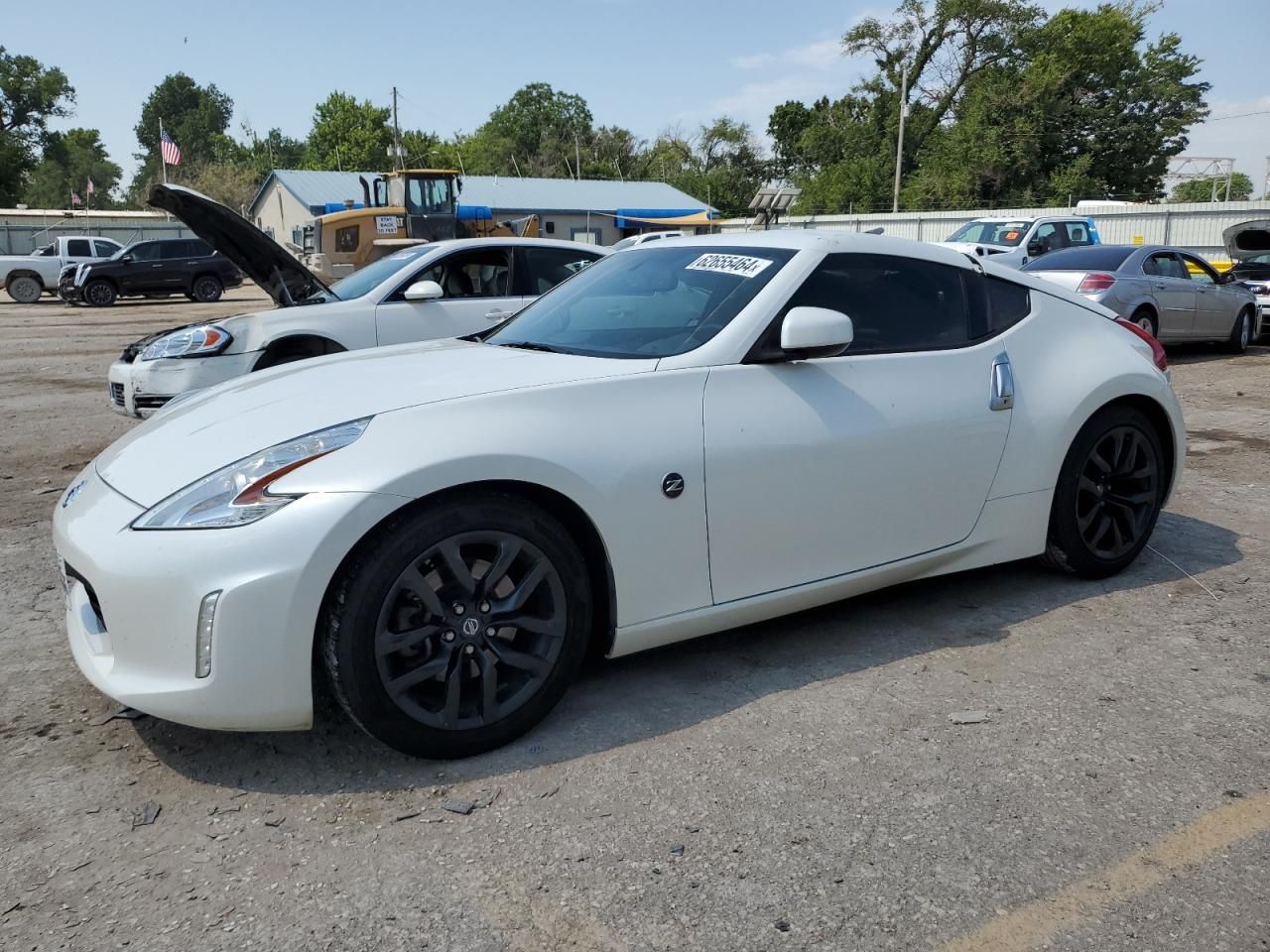
6. Nissan 370Z


For drivers who crave agility and style, the Nissan 370Z offers a thrilling driving experience with its sporty design and rear-wheel-drive layout. Salvage auctions often include 370Zs with minor body damage or mechanical repairs needed, making them an appealing option for budget-conscious sports car enthusiasts. Check out available Nissan 370Z models at SalvageReseller.


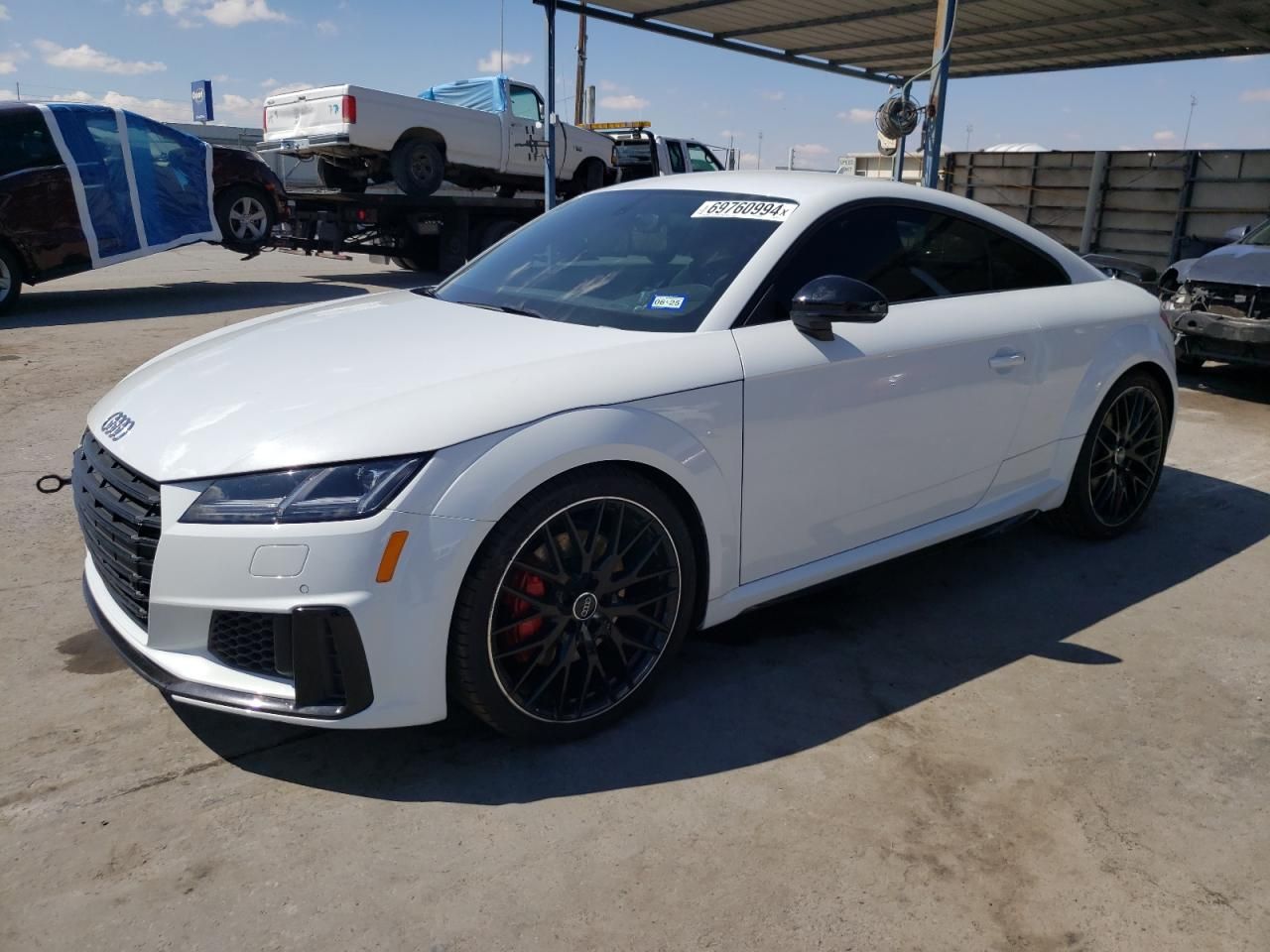
7. Audi TT


The Audi TT is a compact sports car that combines performance with luxury features. Its distinctive design and turbocharged engine make it a fun choice for new and experienced drivers alike. Salvage auctions can provide access to Audi TTs with light damage, allowing you to secure a stylish vehicle at a more affordable price. Browse Audi TT listings on SalvageReseller.


To successfully buy a sports car from SalvageReseller, follow these steps:


1- Create an Account: Start by registering for an account on SalvageReseller.com. Membership options include a free plan, monthly plan, and yearly plan, allowing you to choose one that best suits your needs.


2- Browse Inventory: Once registered, you can browse the extensive inventory of sports cars available at salvage auctions. Use filters to narrow down your search based on make, model, and condition.


3- Research Vehicle History: Review detailed information about each vehicle’s history, including any reported damage. Understanding the extent of repairs needed is crucial before making a bid.


4- Set a Budget: Determine your maximum bid, ensuring you account for additional fees. It’s essential to remain within your financial limits.


5- Bid Wisely: When you find a sports car you like, place your bid strategically. Monitor the auction closely and adjust your bid if necessary.


6- Review Fees and Logistics: Be aware of any fees associated with the purchase, such as auction fees and transportation costs. Comprehensive information about fees can be found on SalvageReseller.


7- Complete the Purchase: If you win the auction, follow the instructions provided to finalize your purchase and arrange for vehicle pickup or delivery.


By following these steps, you can confidently navigate the world of salvage auctions and score a sports car without breaking the bank. Visit SalvageReseller today to start your journey toward owning your dream vehicle!


Salvage Classic Cars: Golden Opportunities for Restorers

Classic cars have always captured the imagination of car enthusiasts, collectors, and restorers alike. Whether it’s the allure of restoring a timeless vehicle or the thrill of bringing an iconic model back to life, salvage classic cars present golden opportunities. But what exactly makes buying salvage classic cars such an attractive investment for restorers?


Here, we dive into the reasons why these vehicles are hidden gems and how you can benefit from purchasing one through online salvage car auctions.


Why Salvage Classic Cars Are Worth the Investment


When it comes to salvage vehicles, most people think of damaged or heavily used cars, but classic cars that have been salvaged often have a different appeal. These vehicles, sometimes with minor damage or mechanical issues, can offer substantial value. Here’s why they’re worth your consideration:


– Lower Initial Costs: Salvage classic cars generally come with a significantly lower price tag compared to restored or well-maintained classics. Whether you’re looking to restore a muscle car or a European luxury model, buying a salvage classic can save you thousands upfront.


– Hard-to-Find Models: Many times, classic cars become available in salvage auctions due to accidents, aging, or neglect. If you’re on the hunt for a rare model, online salvage car auctions might be your best bet to find vehicles no longer in production.


– Parts Availability: For restorers, having access to original parts is crucial. Salvage auctions can be an excellent source for vehicles with intact, original parts that are otherwise hard to find in the market.


Tips for Restoring Salvage Classic Cars


Restoring a salvage classic car requires careful planning and attention to detail. Here are a few tips to keep in mind if you’re looking to take on a restoration project:


1- Thoroughly Inspect the Vehicle’s History

Before purchasing a salvage car at auction, it’s important to review its history. Look for information on the type of damage (flood, collision, or mechanical), past ownership, and title status. This can help you gauge how much work will be required during restoration.


2- Start with the Frame

If the vehicle has structural damage, start by evaluating the frame. A straight and solid frame is essential for ensuring that your restoration project will result in a safe and stable vehicle.


3- Focus on Originality

The more original parts you can retain, the higher the value of the car after restoration. Whenever possible, keep original engines, transmissions, and body panels to maintain authenticity and increase the car’s potential resale value.


4- Set a Realistic Budget

Restoring a salvage classic car can be a rewarding experience, but it’s essential to set a budget. Consider the costs of parts, labor, and potential surprises during the restoration process.


5- Leverage Online Salvage Auctions

Websites like SalvageReseller.com offer a wide range of classic cars from Copart’s online auctions. With the right tools and bidding strategies, you can secure your next restoration project without leaving your home.


How to Find Salvage Classic Cars at Auction


Online salvage auctions are one of the best places to find salvage classic cars at unbeatable prices. These platforms allow you to browse available vehicles, view detailed reports on damage, and bid in real-time. Here are some steps to help you get started:


  • – Register for an Auction Account: To participate in most salvage auctions, you’ll need to register with a licensed auto broker like SalvageReseller.com, which grants you access to Copart’s vast inventory of vehicles.


  • – Set Your Criteria: Before you start bidding, narrow down your search based on make, model, and year. You can also filter by the type of damage, which is particularly useful when looking for classic cars with minimal wear.


  • – Analyze Condition Reports: Each vehicle comes with a condition report. Be sure to study these carefully to understand the extent of the damage and estimate the costs of repairs or restoration.


  • – Place Your Bid: Once you’ve found a classic car you’re interested in, it’s time to place your bid. Stay within your budget and set a maximum limit to avoid overspending.


The Future Value of Restored Salvage Classic Cars


One of the key benefits of restoring classic cars from salvage auctions is the potential for a significant return on investment. Classic cars, especially those that have been expertly restored, often appreciate in value over time. If you choose your restoration project carefully and pay attention to authenticity and quality, you could see a substantial profit when it’s time to sell.


For example, a well-restored salvage muscle car from the 1960s or 70s can fetch a premium at classic car auctions. Similarly, European luxury models like Jaguars or Porsches from earlier decades can gain considerable value once fully restored.


Conclusion


Salvage classic cars offer a unique opportunity for restorers to breathe new life into once-forgotten vehicles. With lower costs and access to rare models, these cars are a restorer’s dream. By following the right steps and utilizing platforms like SalvageReseller.com for your auction needs, you can turn a salvage classic into a valuable and treasured piece of automotive history.