

What to look for when buying clean title vehicles

What are clean title vehicles?


Clean title vehicles are vehicles that have not been salvaged, wrecked, or damaged in any significant way. They have a clean history with no major accidents or insurance claims. When buying a clean title vehicle, you can have peace of mind knowing that it has not been involved in any serious incidents. This makes clean title vehicles a popular choice among buyers who want a reliable and trustworthy vehicle. With a clean title vehicle, you can be confident in its condition and value.


Why are clean title vehicles important?


Clean title vehicles are extremely important when it comes to making a smart and secure purchase. They provide peace of mind to buyers, knowing that the vehicle they are purchasing has not been involved in any major accidents or has any outstanding financial obligations. Clean title vehicles also tend to have a higher resale value, making them a wise investment choice. By opting for a clean title vehicle, buyers can be confident in the quality and reliability of their purchase, ensuring a smooth and hassle-free ownership experience.


Benefits of buying clean title vehicles


When it comes to buying a vehicle, opting for one with a clean title can offer numerous benefits. Clean title vehicles have a clear history with no major accidents, flood damage, or other issues that could affect their performance or value. This provides peace of mind to buyers, knowing that they are investing in a reliable and trustworthy vehicle. Additionally, clean title vehicles often come with lower insurance premiums and higher resale values, making them a smart financial choice. By choosing a clean title vehicle, buyers can enjoy the confidence of owning a high-quality car without any hidden surprises.


Researching the Vehicle History


Obtaining the VIN


When it comes to obtaining the VIN of a vehicle, it is crucial to ensure that you are getting accurate and reliable information. The VIN, or Vehicle Identification Number, is a unique code assigned to each vehicle, which contains important details about its history and specifications. By obtaining the VIN, you can access valuable information such as the vehicle’s ownership history, accident records, and any potential liens. This information is vital when buying a clean title vehicle, as it allows you to verify its authenticity and make an informed decision. To obtain the VIN, you can check the vehicle’s documentation, such as the title, registration, or insurance documents. Additionally, you can find the VIN on the vehicle itself, typically on the dashboard, driver’s side door jamb, or engine block. By ensuring that you obtain the VIN from reliable sources and verify its accuracy, you can confidently proceed with purchasing a clean title vehicle.


Using online vehicle history reports


When it comes to buying a clean title vehicle, using online vehicle history reports is crucial. These reports provide detailed information about the vehicle’s past, including its ownership history, accident records, and any title issues. By accessing this information, buyers can make informed decisions and avoid potential risks. Online vehicle history reports also allow buyers to verify the accuracy of the vehicle’s mileage and ensure that it has not been tampered with. With the convenience of accessing these reports online, buyers can quickly gather all the necessary information they need to make a confident purchase.


Checking for previous accidents or damage


When buying a clean title vehicle, it is crucial to thoroughly check for any previous accidents or damage. This step is essential to ensure that you are making a wise investment and not inheriting any hidden problems. By examining the vehicle’s history and conducting a comprehensive inspection, you can gather important information about its past. Look for signs of repaired bodywork, such as mismatched paint or uneven panel gaps. Additionally, consider obtaining a vehicle history report to uncover any reported accidents or insurance claims. Taking these precautions will give you peace of mind and help you make an informed decision when purchasing a clean title vehicle.


Inspecting the Vehicle


Examining the exterior


When examining the exterior of a vehicle, it is crucial to pay attention to several key factors. First and foremost, check for any signs of damage or accidents. A clean title vehicle should have a pristine exterior with no visible dents, scratches, or paint chips. Additionally, inspect the condition of the tires to ensure they have sufficient tread depth and are free from any signs of wear and tear. Another important aspect to consider is the presence of rust or corrosion, especially in areas prone to salt or moisture. Lastly, take note of any mismatched paint or panels, as this could indicate previous repairs or alterations. By thoroughly examining the exterior of a vehicle, you can make an informed decision and ensure you are purchasing a clean title vehicle that meets your expectations.


Checking the interior condition


When checking the interior condition of a vehicle, it is crucial to pay attention to the details. A well-maintained interior not only enhances the overall appeal of the car but also indicates the level of care taken by the previous owner. Look for any signs of wear and tear, such as torn upholstery or cracked dashboard. Additionally, inspect the functionality of the various components, including the air conditioning, audio system, and seat adjustments. A clean and odor-free interior is a positive sign, as it suggests that the vehicle has been well-maintained and cared for. By thoroughly examining the interior condition, you can ensure that you are making a wise investment in a clean title vehicle.


Inspecting the engine and mechanical components


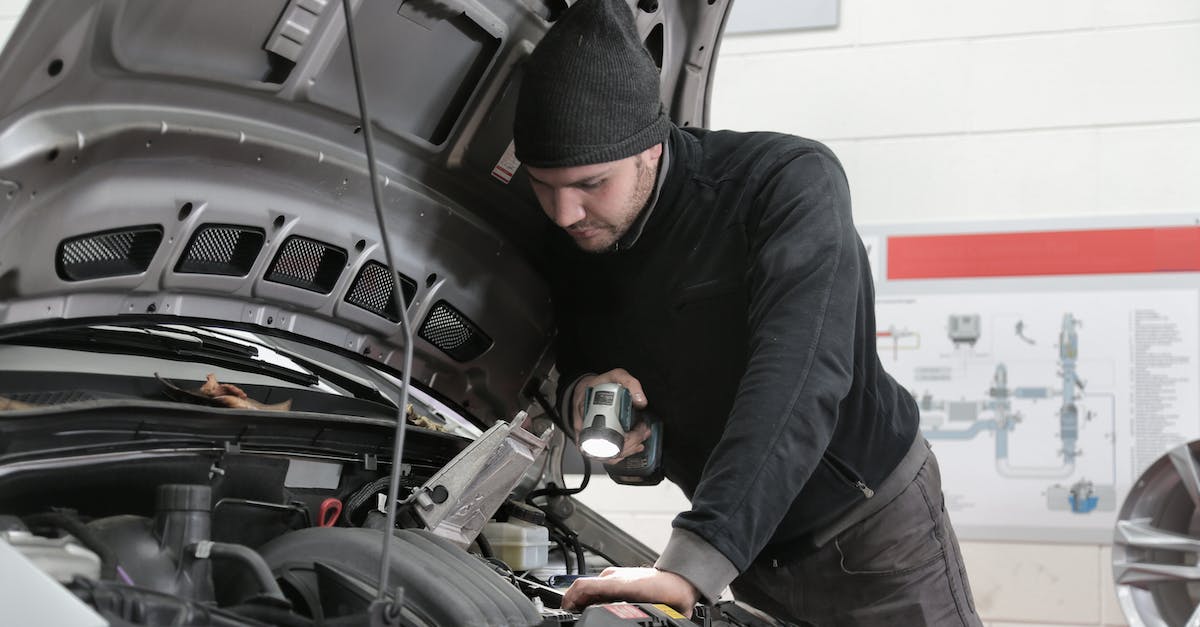
When it comes to inspecting the engine and mechanical components of a vehicle, it is crucial to ensure that everything is in top-notch condition. A well-maintained engine is the heart of a car and can significantly affect its performance and longevity. During the inspection, pay close attention to any signs of leaks, unusual noises, or excessive smoke. These could be indicators of underlying issues that may require costly repairs. Additionally, check the condition of belts, hoses, and fluids to ensure they are in good working order. By thoroughly inspecting the engine and mechanical components, you can have peace of mind knowing that you are purchasing a clean title vehicle that is reliable and will provide you with years of trouble-free driving.


Verifying Ownership and Title


Reviewing the title documents


When reviewing the title documents of a vehicle, it is crucial to pay close attention to several key factors. Firstly, it is important to verify that the title is clean and free of any liens or encumbrances. This ensures that there are no outstanding debts or legal issues associated with the vehicle. Additionally, it is essential to confirm that the title matches the vehicle’s identification number (VIN) and that there are no discrepancies or alterations. This guarantees that the vehicle has not been stolen or involved in any fraudulent activities. Lastly, it is advisable to check for any salvage or rebuilt titles, as these indicate that the vehicle has been significantly damaged in the past. By thoroughly reviewing the title documents, buyers can ensure that they are purchasing a clean title vehicle that is free from any potential complications or hidden problems.


Checking for liens or outstanding loans


When buying a clean title vehicle, it is crucial to thoroughly check for any liens or outstanding loans. This step ensures that you are not inheriting any financial obligations or potential legal issues associated with the vehicle. Liens can arise when the previous owner used the vehicle as collateral for a loan or if there are unpaid debts related to the vehicle. By conducting a lien search, you can have peace of mind knowing that the vehicle is free from any encumbrances. Additionally, it is advisable to request a vehicle history report to uncover any hidden issues. Taking these precautions will help protect your investment and avoid any future complications.


Verifying the seller’s identity


When it comes to buying clean title vehicles, verifying the seller’s identity is crucial. You want to ensure that you are dealing with a reputable and trustworthy seller. This step is important to avoid any potential scams or fraudulent activities. By verifying the seller’s identity, you can have peace of mind knowing that you are making a safe and secure purchase. It is recommended to ask for the seller’s identification documents, such as a driver’s license or passport, and cross-check the information provided. Additionally, you can also check online reviews or ask for references to further validate the seller’s credibility. Taking the time to verify the seller’s identity is a smart move that can help you make an informed decision and protect yourself from any potential risks.


Test Driving and Evaluating Performance


Taking the vehicle for a test drive


When taking the vehicle for a test drive, it is important to thoroughly evaluate its performance and condition. Start by checking the engine for any unusual noises or vibrations. Accelerate and decelerate to assess the responsiveness of the vehicle. Pay attention to the brakes and steering, ensuring they are smooth and responsive. Test the suspension by driving over bumps or uneven surfaces. Take note of any issues with the transmission or clutch. Additionally, evaluate the comfort and ergonomics of the interior, including the seating, controls, and visibility. By conducting a comprehensive test drive, you can make an informed decision about the quality and suitability of the vehicle.


Assessing acceleration and braking


When it comes to assessing acceleration and braking, there are a few key factors to consider. One of the most important aspects to look for is the vehicle’s engine power. A powerful engine can provide quick acceleration and responsive braking, ensuring a smooth and enjoyable driving experience. Additionally, it is essential to evaluate the vehicle’s braking system. A reliable braking system is crucial for safe and effective stopping, especially in emergency situations. Another factor to consider is the vehicle’s weight. A lighter vehicle tends to have better acceleration and braking performance. Lastly, it is important to test drive the vehicle to get a firsthand experience of its acceleration and braking capabilities. By paying attention to these factors, you can make an informed decision when buying a clean title vehicle.


Evaluating handling and steering


When evaluating handling and steering, it is crucial to consider the overall performance and responsiveness of the vehicle. A smooth and precise steering system is essential for a comfortable and enjoyable driving experience. Look for a vehicle that offers excellent maneuverability and stability, allowing you to navigate through corners and curves with ease. Additionally, pay attention to the suspension system, as it plays a significant role in how the vehicle handles various road conditions. A well-tuned suspension will provide a balanced and controlled ride, minimizing body roll and ensuring optimal stability. By carefully assessing the handling and steering characteristics of a vehicle, you can make an informed decision and choose a clean title vehicle that delivers an exceptional driving experience.


Negotiating the Price and Closing the Deal


Researching the market value


When researching the market value of clean title vehicles, it is crucial to gather as much information as possible. This includes analyzing recent sales data, comparing prices from different sources, and considering the condition, mileage, and features of the vehicles. By conducting thorough research, buyers can ensure they are getting a fair price for their desired clean title vehicle. Additionally, it is important to stay updated on market trends and fluctuations to make informed decisions. Remember, knowledge is power when it comes to buying clean title vehicles.


Using vehicle condition as leverage


When it comes to buying a clean title vehicle, using the vehicle’s condition as leverage can be a powerful strategy. By thoroughly inspecting the vehicle and highlighting any flaws or issues, you can negotiate a better price or even walk away from a deal that doesn’t meet your standards. Pay attention to the exterior and interior condition, check for any signs of accidents or damage, and don’t forget to test drive the vehicle to assess its performance. Remember, a clean title doesn’t always mean a perfect vehicle, so use the condition to your advantage and make sure you’re getting the best deal possible.


Finalizing the purchase agreement


Finalizing the purchase agreement is the last step in the process of buying a clean title vehicle. This is the moment when all the details of the transaction are confirmed and both the buyer and the seller agree to the terms and conditions. It is important to carefully review the agreement and ensure that all the necessary information is included, such as the vehicle’s identification number, purchase price, payment method, and any additional terms or conditions. Once both parties are satisfied with the agreement, it is time to sign the document and complete the purchase. This is an exciting moment as it marks the official transfer of ownership from the seller to the buyer. By finalizing the purchase agreement, you can have peace of mind knowing that you have made a well-informed decision and are now the proud owner of a clean title vehicle.


Conclusion


Importance of thorough research


Thorough research is of utmost importance when buying clean title vehicles. It allows you to make an informed decision and ensures that you are getting a reliable and trustworthy vehicle. By conducting thorough research, you can gather information about the vehicle’s history, including any accidents or damages it may have had. This knowledge empowers you to negotiate a fair price and avoid potential future issues. Additionally, thorough research helps you identify any red flags or hidden problems that may not be immediately apparent. Overall, investing time and effort into thorough research is crucial for a successful and satisfying vehicle purchase.


Benefits of buying clean title vehicles


When it comes to buying a vehicle, one of the most important factors to consider is whether it has a clean title. Clean title vehicles offer a range of benefits that can give you peace of mind and save you money in the long run. First and foremost, a clean title means that the vehicle has not been involved in any major accidents or suffered significant damage. This ensures that the car is in good condition and will not require costly repairs or maintenance. Additionally, clean title vehicles often have a higher resale value, making them a smart investment. By purchasing a clean title vehicle, you can avoid the potential headaches and financial burdens that come with buying a car with a salvage or rebuilt title. Overall, opting for a clean title vehicle is a wise choice that provides you with reliability, value, and peace of mind.


Making an informed decision


When it comes to making an informed decision on buying a clean title vehicle, there are a few key factors to consider. First and foremost, it is crucial to thoroughly research the vehicle’s history. This includes checking for any previous accidents, flood damage, or other issues that may affect its value and performance. Additionally, it is important to inspect the vehicle’s overall condition, both inside and out. Look for any signs of wear and tear, as well as any potential mechanical or cosmetic issues. Finally, it is recommended to take the vehicle for a test drive to assess its handling and performance. By taking these steps and being diligent in your evaluation, you can ensure that you are making a well-informed decision when purchasing a clean title vehicle.
 

The pros and cons of purchasing damaged RVs

What are damaged RVs?


Damaged RVs are recreational vehicles that have experienced some form of damage or wear and tear. These vehicles may have been involved in accidents, suffered from natural disasters, or simply have deteriorated over time. While damaged RVs may initially seem like a risky investment, they can also present unique opportunities for buyers. By purchasing a damaged RV, customers can take advantage of lower prices and potentially customize the vehicle to their liking. However, it is important to carefully assess the extent of the damage and consider the costs of repairs before making a purchase. With the right knowledge and resources, buying a damaged RV can be a rewarding investment for those looking for a budget-friendly option with potential for customization.


Why consider purchasing damaged RVs?


Purchasing damaged RVs can be a smart choice for adventurous individuals looking for a great deal. While it may seem counterintuitive, there are several compelling reasons to consider buying a damaged RV. First and foremost, damaged RVs often come with a significantly lower price tag compared to their undamaged counterparts. This can be a major advantage for budget-conscious buyers who want to save money. Additionally, purchasing a damaged RV allows buyers to customize and renovate the vehicle to their specific preferences. This presents an exciting opportunity for DIY enthusiasts and those who enjoy personalizing their living space. Furthermore, buying a damaged RV can provide a sense of satisfaction and accomplishment as buyers restore the vehicle to its former glory. This can be a rewarding experience and a great way to create lasting memories. Overall, purchasing a damaged RV offers a unique chance to save money, unleash creativity, and embark on unforgettable adventures.


Potential risks and challenges


Purchasing a damaged RV may come with potential risks and challenges that buyers should be aware of. One of the main risks is the uncertainty of the extent of the damage. While some damages may be visible, there could be underlying issues that are not immediately apparent. This can lead to unexpected repair costs and prolonged downtime. Additionally, purchasing a damaged RV may affect the resale value. Potential buyers may be hesitant to purchase a vehicle with a history of damage, which could make it harder to sell in the future. However, there are also advantages to buying a damaged RV, such as the potential for a lower purchase price. Buyers who are willing to invest time and money into repairs can often find great deals on damaged RVs. It is important for buyers to carefully assess the risks and challenges before making a decision.


Pros of purchasing damaged RVs


Significant cost savings


Purchasing damaged RVs can offer significant cost savings for buyers. By buying a damaged RV, customers can take advantage of discounted prices that are significantly lower than the market value of a new or undamaged RV. This can result in substantial savings, allowing buyers to get more for their money. In addition, the cost savings extend beyond the initial purchase price. Damaged RVs often require repairs, but these repairs can be done at a fraction of the cost compared to buying a new RV. With careful planning and budgeting, buyers can transform a damaged RV into a fully functional and comfortable vehicle, all while saving a substantial amount of money.


Opportunity for customization


When it comes to purchasing damaged RVs, one of the key advantages is the opportunity for customization. Buying a damaged RV gives you the chance to create a unique and personalized living space that perfectly suits your needs and preferences. Whether you want to add extra storage, upgrade the appliances, or implement a completely new layout, a damaged RV provides a blank canvas for you to unleash your creativity. With the freedom to customize, you can transform a damaged RV into a one-of-a-kind home on wheels that reflects your style and personality.


Potential for high resale value


When it comes to purchasing damaged RVs, one of the key advantages is the potential for high resale value. Many buyers are attracted to damaged RVs because they offer the opportunity to buy at a lower price and then sell for a profit after making necessary repairs. This can be especially appealing for savvy investors who have the skills and knowledge to fix up the RV and increase its value. By purchasing a damaged RV at a discounted price and investing in repairs, buyers can potentially make a significant return on their investment. Additionally, the demand for used RVs is on the rise, making it even more likely that a repaired and refurbished damaged RV will fetch a high resale price. With the potential for high resale value, purchasing a damaged RV can be a smart financial decision for those looking to make a profit in the RV market.


Cons of purchasing damaged RVs


Hidden damages and repairs


When it comes to purchasing damaged RVs, one of the key considerations is the presence of hidden damages and repairs. While some damages may be obvious upon inspection, there are often underlying issues that may not be immediately apparent. These hidden damages can range from structural issues to electrical problems, and they can significantly impact the overall condition and functionality of the RV. It is important for buyers to thoroughly inspect the RV and consider obtaining a professional inspection to uncover any hidden damages that may require costly repairs. By being aware of these potential issues, buyers can make informed decisions and negotiate better deals that take into account the necessary repairs and maintenance.


Limited warranty or insurance coverage


When it comes to purchasing damaged RVs, one important consideration is the limited warranty or insurance coverage. Having a limited warranty or insurance coverage can provide peace of mind and protect you from unexpected repair costs. With a limited warranty, you can have the assurance that if any issues arise with the RV, you will be covered for repairs or replacement parts. Insurance coverage, on the other hand, can provide financial protection in the event of accidents, theft, or damage caused by natural disasters. By having either a limited warranty or insurance coverage, you can feel confident in your decision to purchase a damaged RV, knowing that you are protected against unforeseen circumstances.


Potential for additional expenses


When considering the purchase of a damaged RV, it is important to be aware of the potential for additional expenses. While damaged RVs may offer a lower initial price, there are several factors that can contribute to higher costs down the line. One of the main concerns is the extent of the damage. Depending on the severity, repairs can be costly and time-consuming. Additionally, there may be hidden issues that are not immediately apparent, such as water damage or structural issues. These can require expensive repairs or even render the RV unusable. It is also important to consider the cost of insurance for a damaged RV, as it may be higher due to the increased risk. Despite the potential for additional expenses, purchasing a damaged RV can still be a viable option for those who are willing to invest the time and money into repairs and maintenance.


Factors to consider when purchasing damaged RVs


Extent of damage


When considering the purchase of a damaged RV, it is crucial to assess the extent of the damage. This will determine the overall condition of the vehicle and the potential costs involved in repairs. While some damage may be minor and easily fixable, others may be more severe and require extensive repairs. It is important to carefully inspect the RV and consult with a professional to accurately evaluate the extent of the damage. By doing so, you can make an informed decision and weigh the pros and cons of purchasing a damaged RV.


Availability of replacement parts


When considering purchasing a damaged RV, one important factor to consider is the availability of replacement parts. It is crucial to ensure that the necessary parts for repairs are readily available in order to minimize downtime and get the RV back on the road as quickly as possible. Thankfully, there are a wide range of suppliers and dealerships that specialize in providing replacement parts for damaged RVs. From engine components to interior fixtures, these suppliers offer a comprehensive selection of parts that can be easily sourced. This ensures that owners of damaged RVs can find the parts they need without hassle. Additionally, many suppliers offer competitive pricing and quick shipping options, further enhancing the convenience of purchasing replacement parts. By considering the availability of replacement parts, potential buyers can make an informed decision and feel confident in their ability to restore a damaged RV to its former glory.


Expertise required for repairs


When it comes to purchasing damaged RVs, having the right expertise for repairs is crucial. While buying a damaged RV can offer significant cost savings, it also requires a certain level of knowledge and skill to restore it to its former glory. This is where having expert repair skills can make all the difference. With the necessary expertise, you can confidently tackle any repairs needed, ensuring that the RV is safe, functional, and aesthetically pleasing. Whether it’s fixing structural damage, repairing electrical systems, or restoring the interior, having the right expertise will allow you to transform a damaged RV into a valuable investment. So, if you have the skills and knowledge to handle repairs, purchasing a damaged RV can be a rewarding opportunity to save money and create your dream recreational vehicle.


Tips for buying damaged RVs


Inspect the RV thoroughly


When purchasing a damaged RV, it is crucial to inspect the vehicle thoroughly. This step is essential to ensure that you are fully aware of any existing issues or potential problems. By conducting a comprehensive inspection, you can identify any structural damage, mechanical issues, or cosmetic imperfections. Inspecting the RV thoroughly allows you to make an informed decision and negotiate a fair price. Additionally, it gives you the opportunity to assess the extent of repairs needed and estimate the associated costs. Take your time during the inspection process, paying attention to details and documenting any findings. By doing so, you can confidently evaluate the pros and cons of purchasing a damaged RV.


Research the market value


When purchasing a damaged RV, it is crucial to research the market value. Understanding the current market prices will help you make an informed decision and negotiate a fair price. By researching the market value, you can determine if the asking price for the damaged RV is reasonable or if there is room for negotiation. This step is essential to ensure that you are getting the best deal possible. Take advantage of online resources, such as RV pricing guides and classified ads, to gather information about the market value of similar RVs in your area. Armed with this knowledge, you can confidently navigate the purchasing process and secure a damaged RV at a competitive price.


Consult with a professional


Consulting with a professional before purchasing a damaged RV is highly recommended. A knowledgeable expert can provide valuable insights and guidance throughout the buying process. They can assess the extent of the damage, evaluate the repair costs, and determine if the RV is worth investing in. Additionally, a professional can help identify any hidden issues that may not be apparent to the untrained eye. By seeking their expertise, buyers can make informed decisions and avoid potential pitfalls. Trusting in the expertise of a professional is crucial when considering the purchase of a damaged RV.


weigh the pros and cons


When it comes to purchasing damaged RVs, it is important to weigh the pros and cons. On one hand, buying a damaged RV can be a great opportunity to save money. You can often find damaged RVs at significantly lower prices compared to new or undamaged ones. Additionally, purchasing a damaged RV allows you to customize and renovate it according to your preferences. On the other hand, buying a damaged RV comes with its own set of challenges. Repairs can be costly and time-consuming, especially if the damage is extensive. There is also the risk of hidden damages that may not be immediately apparent. It is crucial to thoroughly inspect the RV and assess the extent of the damage before making a decision. Ultimately, weighing the pros and cons will help you determine if purchasing a damaged RV is the right choice for you.


make an informed decision


When it comes to purchasing damaged RVs, it is important to make an informed decision. While there are certainly some risks involved, there are also potential benefits that can make it a worthwhile investment. One of the main advantages of buying a damaged RV is the opportunity to save a significant amount of money. Damaged RVs are often sold at a fraction of their original price, allowing buyers to get more bang for their buck. Additionally, purchasing a damaged RV can provide a great opportunity for those who enjoy DIY projects. With some time and effort, it is possible to restore a damaged RV to its former glory, creating a unique and personalized recreational vehicle. However, it is crucial to thoroughly inspect the RV and assess the extent of the damage before making a purchase. This will help ensure that you are aware of any potential issues and can make an informed decision that aligns with your needs and budget.


consider your budget and needs


When considering purchasing a damaged RV, it is important to carefully evaluate your budget and needs. Your budget will play a crucial role in determining the extent of repairs you can afford and the overall value you can get from the purchase. Additionally, it is essential to assess your needs and determine if a damaged RV aligns with your requirements. While a damaged RV may offer a more affordable price, it is important to consider the potential costs of repairs and the impact it may have on your overall camping experience. By carefully considering your budget and needs, you can make an informed decision and find the right damaged RV that meets your requirements.


Tips for Selling Your Restored Salvage Car

Understanding the market for restored salvage cars


Understanding the market for restored salvage cars is essential for anyone looking to sell their vehicle. Salvage car auction tips can help sellers navigate the unique challenges and opportunities of selling a restored salvage car. By understanding the market trends and demand for these vehicles, sellers can strategically price their cars and target the right buyers. Additionally, knowing the best practices for marketing and showcasing a restored salvage car can make a significant difference in attracting potential buyers. With the right knowledge and approach, sellers can maximize their chances of selling their restored salvage car for a fair price.


Benefits of selling a restored salvage car


Selling a restored salvage car can offer several benefits for car owners looking to part ways with their damaged automobiles. One of the main advantages is the potential for a higher selling price compared to selling a car with unrepaired damage. By investing time and money into restoring the salvage car, owners can increase its value and attract potential buyers who are willing to pay a premium for a fully functional vehicle. Additionally, selling a restored salvage car allows owners to recoup some of the expenses incurred during the restoration process. This can help offset the costs of purchasing damaged automobiles and financing the repairs. Furthermore, selling a salvage car can provide a sense of satisfaction and accomplishment, knowing that the car has been brought back to life and can now serve a new purpose for someone else. Overall, selling a restored salvage car can be a financially rewarding and fulfilling experience for car owners.


Challenges of selling a restored salvage car


Selling a restored salvage car can pose several challenges for car owners. One of the main challenges is navigating salvage auto auctions. These auctions provide a platform for buyers and sellers to trade salvage vehicles. However, understanding the intricacies of salvage auto auctions can be daunting. Car owners need to familiarize themselves with the bidding process, auction fees, and vehicle inspection requirements. Additionally, they must be prepared to compete with professional dealers and salvage yards who have extensive experience in the industry. Despite these challenges, participating in salvage auto auctions can be a lucrative way to sell a restored salvage car.


Determining the Value of Your Restored Salvage Car


Researching the market value


When it comes to selling your restored salvage car, researching the market value is crucial. This step will help you determine the right price for your vehicle and attract potential buyers. Start by checking online platforms and classified ads to see what similar cars are selling for. Pay attention to factors like the year, make, model, mileage, and condition of the vehicles. It’s also a good idea to consult with local dealerships or car appraisal services to get a professional opinion on the value of your car. By gathering this information, you’ll be able to set a competitive price that reflects the true worth of your restored salvage car.


Considering the condition and history of the car


When selling your restored salvage car, it is important to consider the condition and history of the car. The condition of the car will greatly impact its value and attractiveness to potential buyers. Highlight any improvements or repairs that have been made to the car, as this can increase its appeal. Additionally, be transparent about the car’s salvage history and any previous damage it may have had. This will help build trust with potential buyers and ensure they have all the necessary information to make an informed decision. If you are selling a junk car, it is crucial to emphasize the steps taken to restore it and the quality of the restoration work. By highlighting the transformation from a salvage car to a restored vehicle, you can showcase the value and potential of the car. Provide specific details and evidence of the restoration process, such as before and after photos, to further support your selling points. Overall, considering the condition and history of the car is essential when selling a restored salvage car, as it allows you to effectively communicate its value and attract potential buyers.


Getting a professional appraisal


Getting a professional appraisal is a crucial step when selling your restored salvage car. It provides potential buyers with an unbiased evaluation of the car’s value, giving them confidence in their purchase. A professional appraisal takes into account various factors such as the car’s condition, mileage, and market demand. By obtaining a professional appraisal, you can effectively communicate the true value of your restored salvage car to potential buyers. This will help you attract serious buyers who are willing to pay top dollar for quality vehicles. When looking for a professional appraiser, consider their experience and expertise in evaluating restored salvage cars. It’s important to choose someone who understands the unique challenges and intricacies of this niche market. With a professional appraisal in hand, you can confidently market your restored salvage car as one of the top city cars available, knowing that its value has been verified by an industry expert.


Preparing Your Restored Salvage Car for Sale


Cleaning and detailing the car


When it comes to selling your restored salvage car, one of the most important steps is cleaning and detailing the car. A clean and well-maintained car not only looks more attractive to potential buyers, but it also gives the impression that the car has been well taken care of. Start by giving the car a thorough wash, both inside and out. Pay attention to the details, such as cleaning the windows, vacuuming the carpets, and wiping down the dashboard. Additionally, consider getting the car professionally detailed to really make it shine. This will help remove any stubborn stains or odors and make the car look like new. Remember to highlight any improvements or upgrades you have made to the car during the restoration process. By presenting a clean and well-detailed car, you are more likely to attract interested buyers and sell your restored salvage car at a higher price.


Fixing any mechanical issues


Fixing any mechanical issues is crucial when selling your restored salvage car. Buyers are looking for a car that is in perfect working condition, so it is important to address any mechanical problems before putting your car on the market. Whether it’s fixing the engine, brakes, or suspension, ensuring that everything is in proper working order will increase the value and desirability of your car. By taking the time to fix these issues, you can confidently advertise your car as being in excellent mechanical condition, giving potential buyers peace of mind. Don’t overlook the importance of addressing and fixing any mechanical issues before selling your restored salvage car.


Gathering documentation and records


When it comes to selling your restored salvage car, gathering documentation and records is a crucial step. Potential buyers want to know the history and condition of the vehicle, so having the necessary paperwork in order is essential. Start by locating the title and registration documents, as well as any maintenance records and receipts for repairs or upgrades. This will provide buyers with confidence that the car has been well-maintained and cared for. Additionally, it is important to find dependable cars and parts. By sourcing reliable vehicles and quality parts, you can ensure that your restored salvage car is in top-notch condition, further increasing its value and appeal to potential buyers. Take the time to research reputable suppliers and salvage yards to find the best options for your car’s needs. By focusing on gathering the right documentation and finding dependable cars and parts, you can enhance the selling process and attract more interested buyers.


Marketing and Advertising Your Restored Salvage Car


Writing an effective listing description


When it comes to writing an effective listing description for your restored salvage car, there are a few key tips to keep in mind. First and foremost, be sure to highlight the unique features and selling points of your car. Whether it’s the low mileage, the upgraded engine, or the custom paint job, make sure to emphasize what sets your car apart from others on the market. Additionally, provide detailed information about the car’s history and any repairs or restorations that have been done. This will help potential buyers feel confident in their decision to purchase your car. Lastly, use clear and concise language to describe the car’s condition and any notable flaws or imperfections. Honesty is key when selling a restored salvage car, so be transparent about any issues the car may have. By following these tips, you can create an effective listing description that will attract interested buyers and help you sell your restored salvage car quickly and successfully.


Taking high-quality photos


When it comes to selling your restored salvage car, taking high-quality photos is crucial. The photos you take will be the first impression potential buyers have of your vehicle, so it’s important to make them count. To ensure your photos stand out, follow these tips. First, find a clean and well-lit location to take your photos. Natural light is best, so try to take them outside during the day. Next, clean your car thoroughly, both inside and out. Remove any clutter and make sure the exterior is free of dirt and debris. When taking the photos, focus on capturing the key features of your car, such as its exterior condition, interior amenities, and any unique selling points. Finally, consider investing in a good camera or hiring a professional photographer to ensure your photos are of the highest quality. By taking high-quality photos, you will attract more potential buyers and increase your chances of selling your restored salvage car quickly and at a good price.


Utilizing online platforms and social media


Utilizing online platforms and social media is crucial when it comes to selling your restored salvage car. In today’s digital age, potential buyers are increasingly turning to the internet to find their next vehicle. By leveraging online platforms such as classified websites and social media platforms like Facebook and Instagram, you can reach a wider audience and increase your chances of finding the right buyer. These platforms allow you to showcase the unique features and improvements of your restored salvage car through captivating photos and detailed descriptions. Additionally, they provide a convenient way for interested buyers to contact you directly and ask any questions they may have. By utilizing online platforms and social media effectively, you can maximize the exposure of your restored salvage car and attract potential buyers who are actively searching for a vehicle like yours.


Negotiating and Closing the Sale


Setting a competitive asking price


Setting a competitive asking price is crucial when selling your restored salvage car. By pricing your car competitively, you increase your chances of attracting potential buyers and achieving a hassle-free car purchase. To set a competitive asking price, consider factors such as the car’s condition, mileage, age, and market demand. It’s important to research similar vehicles in your area to get an idea of the average selling price. Additionally, highlighting the unique features or recent repairs can add value to your car and justify a higher asking price. By setting a competitive asking price, you can ensure a smooth and successful selling experience.


Responding to inquiries and negotiating offers


When it comes to selling your restored salvage car, responding to inquiries and negotiating offers is a crucial step. This is your opportunity to engage with potential buyers and showcase the value of your vehicle. When responding to inquiries, be prompt and professional. Answer any questions thoroughly and provide additional information that may be helpful. It’s important to be transparent about the salvage history of the car and highlight any improvements or repairs that have been made. When negotiating offers, remember to remain flexible and open to discussion. Consider the market value of similar cars and be willing to negotiate a fair price. By effectively responding to inquiries and negotiating offers, you can increase your chances of selling your restored salvage car successfully.


Completing the necessary paperwork


Completing the necessary paperwork is a crucial step when selling your restored salvage car. It ensures that all legal requirements are met and the transfer of ownership is smooth. One important aspect to consider is the documentation related to flood damaged vehicles. When dealing with such vehicles, it is essential to provide accurate information about the extent of the damage and the steps taken to restore the car. This helps potential buyers make informed decisions and builds trust in the selling process. To learn more about flood damaged vehicles and their restoration, click here.


Finalizing the Sale and Transferring Ownership


Meeting with the buyer and conducting a test drive


When meeting with the buyer and conducting a test drive, it is important to make a positive impression and showcase the quality of your restored salvage car. Start by greeting the buyer warmly and introducing yourself as the owner. Provide them with a brief overview of the car’s history, highlighting the restoration process and any improvements made. During the test drive, emphasize the car’s performance and handling, pointing out the smooth acceleration and responsive brakes. Encourage the buyer to ask questions and address any concerns they may have. Additionally, highlight any unique features or modifications that set your car apart from others on the market. By engaging the buyer and demonstrating the value of your restored salvage car, you can increase the likelihood of a successful sale.


Transferring the title and registration


Transferring the title and registration of your restored salvage car is an important step in the selling process. One key factor to consider is ensuring that you have a clean title. A clean title indicates that there are no liens or outstanding debts associated with the vehicle. This gives potential buyers peace of mind knowing that they are purchasing a car with a clear ownership history. To transfer the title, you will need to visit your local Department of Motor Vehicles (DMV) office and complete the necessary paperwork. It is important to follow the specific guidelines provided by your state’s DMV to ensure a smooth transfer. Once the title is transferred, you can proceed with the registration process, which involves obtaining new license plates and updating the vehicle’s information with the DMV. By properly transferring the title and registration, you can provide potential buyers with the confidence they need to make a purchase.


Providing any additional information or assistance


When it comes to selling your restored salvage car, providing any additional information or assistance can greatly increase your chances of making a successful sale. One important aspect to consider is the title for your salvage car. A catchy and descriptive title can attract potential buyers and generate more interest in your vehicle. Additionally, including important details such as the car’s make, model, year, and any unique features or upgrades can help potential buyers make an informed decision. If your salvage car has undergone any repairs or restoration work, highlighting these improvements can also be beneficial. By providing clear and accurate information about your salvage car, you can build trust with potential buyers and increase the likelihood of a successful sale.


Advantages and Disadvantages of Using Online Auctions for Buying Salvage Cars


Overview of salvage cars


Salvage cars are vehicles that have been damaged or deemed a total loss by insurance companies. These cars are typically sold at salvage car auctions, which can be conducted online. Online auctions offer several advantages and disadvantages for buyers interested in purchasing salvage cars. It is important to consider these factors before participating in an online auction for salvage cars.


Importance of buying salvage cars


Buying salvage cars can be a smart decision for many reasons. One of the key advantages of purchasing salvage cars is the opportunity to find great deals. Salvage cars are often sold at used car auctions, where buyers have the chance to bid on vehicles that have been damaged but can still be repaired. These auctions provide a wide selection of salvage cars from various makes and models, giving buyers the chance to find the perfect vehicle at a fraction of the cost. Additionally, buying salvage cars can be beneficial for those who enjoy working on cars as a hobby or profession. With salvage cars, there is the opportunity to restore and rebuild the vehicle, turning it into a reliable and unique automobile. However, it is important to consider the disadvantages of buying salvage cars as well. Salvage cars may have hidden damages or issues that are not immediately apparent, requiring additional repairs and expenses. Furthermore, salvage cars may have a lower resale value compared to non-salvage cars. Despite these drawbacks, the importance of buying salvage cars lies in the potential for finding affordable and customizable vehicles through used car auctions.


Advantages of Using Online Auctions for Buying Salvage Cars


Wide selection of salvage cars


One of the advantages of using online auctions for buying salvage cars is the wide selection available. Unlike traditional car auctions, online platforms offer a vast range of salvage cars from various locations. This allows buyers to choose from a diverse inventory of vehicles, increasing the chances of finding the perfect car for their needs. Additionally, online auctions provide detailed information about each salvage car, including its repair cost. This information is crucial for buyers to assess the feasibility of purchasing a particular salvage car. By having access to repair cost details, buyers can make informed decisions and avoid potential financial pitfalls. Furthermore, the availability of repair cost highlights in the form of hyperlinks enables buyers to quickly navigate to relevant information and compare the costs of different salvage cars. Overall, the wide selection of salvage cars offered through online auctions, coupled with detailed repair cost information, makes the process of buying salvage cars more convenient and transparent.


Convenience and accessibility


Online auctions for buying salvage cars offer a great deal of convenience and accessibility. With just a few clicks, buyers can browse through a wide range of salvage cars available for auction from the comfort of their own homes. This eliminates the need to physically visit multiple salvage yards or attend live auctions, saving both time and effort. Additionally, online auctions provide access to a larger inventory of salvage cars, increasing the chances of finding the desired make and model. Furthermore, the ability to participate in auctions from anywhere in the world allows buyers to expand their options and potentially find better deals. Overall, the convenience and accessibility offered by online auctions make them a popular choice for buying salvage cars.


Potential cost savings


Potential cost savings are one of the key advantages of using online auctions for buying salvage cars. Unlike traditional auctions or dealerships, online auctions often offer salvage cars at significantly lower prices. This is because online platforms allow for a wider range of sellers and buyers, creating a more competitive marketplace. Additionally, buyers have the opportunity to bid on salvage cars and potentially get them at even lower prices. This can be especially beneficial for individuals looking for affordable options or those interested in purchasing salvage cars for parts or restoration projects. However, it is important to carefully evaluate the condition of the salvage car and consider any potential repair costs before making a purchase.


Disadvantages of Using Online Auctions for Buying Salvage Cars


Limited inspection opportunities


One of the major disadvantages of using online auctions for buying salvage cars is the limited inspection opportunities. Unlike traditional car auctions where buyers can physically inspect the vehicles before bidding, online auctions often only provide limited information and photos of the salvage cars. This lack of physical inspection can make it difficult for buyers to accurately assess the condition of the vehicles, increasing the risk of purchasing a car with hidden damages or mechanical issues. Additionally, online auctions may not allow for test drives, further limiting the buyer’s ability to evaluate the performance and functionality of the salvage cars. As a result, buyers may end up with a car that requires costly repairs or is not as advertised, leading to potential financial losses.


Risk of fraudulent listings


One of the risks associated with using online auctions for buying salvage cars is the potential for fraudulent listings. When looking to buy salvage cars, it is important to be cautious and vigilant to avoid falling victim to scams. There have been cases where individuals have been deceived by sellers who misrepresent the condition of the vehicles or sell cars that have been previously reported as stolen or damaged beyond repair. To mitigate this risk, it is advisable to thoroughly research the seller and the vehicle’s history, ask for detailed information and photos, and consider using reputable online auction platforms that have measures in place to verify the authenticity of listings. Additionally, buyers should be wary of deals that seem too good to be true or sellers who pressure them into making quick decisions. By being aware of the risk of fraudulent listings and taking necessary precautions, individuals can protect themselves when buying salvage cars online.


Shipping and transportation challenges


Shipping and transportation challenges are one of the key considerations when it comes to car buying tips. Online auctions for buying salvage cars offer convenience and accessibility, but they also come with their fair share of challenges in terms of shipping and transportation. One of the main challenges is the cost of shipping, which can sometimes be expensive depending on the distance and the size of the vehicle. Another challenge is the logistics involved in arranging for the pickup and delivery of the car. It is important for buyers to factor in these challenges and plan accordingly to ensure a smooth and hassle-free buying experience.


Factors to Consider When Using Online Auctions for Buying Salvage Cars


Vehicle history and condition


When it comes to buying salvage cars, one important factor to consider is the vehicle history and condition. Understanding the history of a salvage car can help you make an informed decision. You should research the car’s past accidents, repairs, and any other incidents that may have affected its condition. Additionally, evaluating the current condition of the vehicle is crucial to determine if it is worth investing in. Optimal timing for buying a salvage title car is another key aspect to consider. By waiting for the right moment, you may be able to find a salvage car at a lower price or in better condition. Therefore, it is recommended to stay updated on salvage car auctions and keep an eye out for the optimal timing to make your purchase.


Seller reputation and credibility


Seller reputation and credibility are crucial factors to consider when participating in used car auctions. Online platforms provide a wide range of options for buyers to choose from, but it is important to verify the reputation and credibility of the sellers. This can be done by checking their feedback ratings, customer reviews, and any certifications they may have. By ensuring that the sellers have a positive track record and are trustworthy, buyers can have peace of mind knowing that they are dealing with reliable sellers. Additionally, online platforms often have measures in place to protect buyers from fraudulent activities, further enhancing the credibility of the sellers. Therefore, when engaging in online auctions for buying salvage cars, it is essential to prioritize seller reputation and credibility.


Bidding strategies and budget


When it comes to bidding strategies and budget, there are several factors to consider when participating in online auctions for buying salvage cars. One important aspect is to set a realistic budget before starting the bidding process. This will help buyers to avoid overspending and make informed decisions. Additionally, it is essential to research and analyze the market value of the cars for sale. By understanding the average prices and condition of similar vehicles, buyers can determine their maximum bidding limit. Another strategy is to monitor the bidding activity closely and strategically place bids at the right time. This can increase the chances of winning the auction at a favorable price. Lastly, it is advisable to take advantage of any available bidding tools or features provided by the online auction platform. These tools can assist buyers in making competitive bids and optimizing their budget effectively.


Tips for Successful Online Auction Purchases of Salvage Cars


Thoroughly research the vehicle


When it comes to buying salvage cars through online auctions, it is crucial to thoroughly research the vehicle before making a purchase. This step is essential to ensure that you are getting a reliable and safe vehicle. Start by checking the vehicle’s history report, which will provide you with important information such as previous accidents, repairs, and the title status. Additionally, it is recommended to inspect the vehicle’s photos and description thoroughly, looking for any signs of damage or potential issues. Furthermore, consider reaching out to the seller or auction platform to ask specific questions about the vehicle’s condition, maintenance history, and any known issues. By conducting thorough research, you can make an informed decision and minimize the risks associated with buying salvage cars online.


Set a maximum bid limit


Set a maximum bid limit is an important strategy when it comes to buying a car at auctions. By setting a maximum bid limit, you can ensure that you do not overspend on a salvage car. This limit acts as a budget constraint and helps you stay within your financial means. Additionally, having a maximum bid limit allows you to prioritize your bids and focus on the vehicles that are within your budget. It also helps to prevent impulse bidding and ensures that you make rational decisions based on the condition and value of the car. Overall, setting a maximum bid limit is a crucial step in the process of buying a car at auctions.


Participate actively in the auction


Participating actively in online auctions can provide numerous benefits when it comes to buying salvage cars. One of the advantages is the opportunity to find salvage hybrid cars, which are becoming increasingly popular in the automotive industry. By actively participating in online auctions, buyers can explore a wide range of salvage hybrid cars available for purchase. These cars offer a unique combination of fuel efficiency and environmental friendliness, making them an attractive option for eco-conscious buyers. Additionally, participating actively in the auction allows buyers to bid on salvage hybrid cars at competitive prices, potentially saving a significant amount of money compared to purchasing a new or used hybrid car from a traditional dealership. Whether you are looking for a cost-effective transportation solution or a greener alternative, actively participating in online auctions can help you find the salvage hybrid car that meets your needs and preferences.

Summary of advantages and disadvantages


Online auctions for buying salvage cars offer several advantages and disadvantages. One of the main advantages is the affordability of the cars available. Many salvage cars can be purchased for under $10,000, making them a cost-effective option for buyers. Additionally, online auctions provide a wide selection of vehicles, allowing buyers to choose from a variety of makes and models. Another advantage is the convenience of the online auction process. Buyers can participate in auctions from the comfort of their own homes, eliminating the need to travel to physical auction locations. However, there are also some disadvantages to using online auctions for buying salvage cars. One potential disadvantage is the risk of purchasing a vehicle with hidden damage or undisclosed issues. Buyers should thoroughly research the vehicle’s history and condition before placing a bid. Additionally, online auctions may have competitive bidding, which can drive up the final price of the vehicle. It is important for buyers to set a budget and stick to it when participating in online auctions. Overall, online auctions for buying salvage cars offer affordability and convenience, but buyers should exercise caution and due diligence to ensure a successful purchase.


Final thoughts on using online auctions for buying salvage cars


In conclusion, using online auctions for buying salvage cars can be both advantageous and disadvantageous. On the positive side, online auctions provide a wide selection of salvage cars from various locations, allowing buyers to find the best deals and rare models. Additionally, online auctions often offer lower prices compared to traditional salvage car dealerships. However, there are also drawbacks to consider. Buying salvage cars online comes with risks, as it can be difficult to fully assess the condition of the vehicle without a physical inspection. Furthermore, there may be additional costs involved, such as transportation fees and potential repairs. Therefore, it is important for buyers to thoroughly research and evaluate the risks and benefits before participating in online auctions for buying salvage cars.


Recommendations for potential buyers


When it comes to buying salvage cars through online auctions, there are a few key recommendations that potential buyers should keep in mind. Firstly, it is important to thoroughly research the vehicle’s history and condition before placing a bid. This can be done by obtaining a vehicle history report and conducting a thorough inspection of the car. Additionally, potential buyers should set a budget and stick to it, as it can be easy to get caught up in the excitement of bidding and overspend. It is also advisable to read and understand the auction terms and conditions, as well as any fees or additional costs that may be associated with purchasing a salvage car. Lastly, it is recommended to engage with reputable online auction platforms that have a proven track record of facilitating safe and transparent transactions. By following these recommendations, potential buyers can navigate the online auction process with confidence and increase their chances of finding a quality salvage car at a competitive price.


Using Salvage Auctions to Start a Car Restoration Business


Why start a car restoration business?


Starting a car restoration business can be a rewarding and profitable venture. There are several reasons why individuals choose to embark on this journey. One of the main factors to consider is the potential to find great deals on salvage vehicles through salvage auctions. Salvage auctions offer a wide range of vehicles that have been damaged but can be restored to their former glory. When starting a car restoration business, it is important to look for certain factors in a salvage vehicle. These factors include the extent of the damage, the availability of replacement parts, and the overall cost of repairs. By carefully evaluating these factors, entrepreneurs can make informed decisions and maximize their chances of success in the car restoration industry.


Overview of the article


In the article titled ‘Using Salvage Auctions to Start a Car Restoration Business’, the author provides an overview of the various aspects involved in starting a car restoration business using salvage auctions. The article highlights the importance of finding the right salvage auctions to source vehicles for restoration projects. By finding reputable salvage auctions, car enthusiasts and entrepreneurs can access a wide range of vehicles at affordable prices, allowing them to kickstart their car restoration business. Additionally, finding salvage auctions that offer detailed vehicle history reports can help buyers make informed decisions and avoid potential pitfalls. With the right research and due diligence, finding suitable salvage auctions can be a crucial step towards building a successful car restoration business.


Understanding Salvage Auctions


How salvage auctions work


Salvage auctions are a crucial component of starting a car restoration business. When it comes to buying salvage cars, these auctions provide a unique opportunity to acquire vehicles at a fraction of their market value. By participating in salvage auctions, entrepreneurs can find damaged cars that can be repaired and resold for a profit. The process of buying salvage cars at auctions involves bidding on vehicles that have been deemed total losses by insurance companies. It is important to thoroughly research the vehicles before bidding and to have a clear understanding of the salvage title and any potential repairs needed. With the right knowledge and strategy, buying salvage cars at auctions can be a lucrative venture for those looking to start a car restoration business.


Types of salvage vehicles


When it comes to salvage vehicles, there are various types that can be considered for a car restoration business. One of the key categories is clean title cars. These vehicles have not been deemed a total loss by insurance companies and can be a great starting point for restoration projects. Clean title cars offer the opportunity to work on vehicles that have minimal damage and can be repaired to their original condition. By purchasing clean title cars from salvage auctions, aspiring car restorers can find affordable options to kickstart their business.


Benefits and risks of buying from salvage auctions


When it comes to starting a car restoration business, buying from salvage auctions can offer several benefits. One of the main advantages is the potential cost savings. Salvage vehicles are often sold at significantly lower prices compared to their market value, allowing entrepreneurs to acquire multiple vehicles for a fraction of the cost. Additionally, salvage auctions provide access to a wide range of vehicles, including rare and vintage models, which can be difficult to find through traditional channels. However, it is important to consider the risks associated with buying from salvage auctions. The condition of the vehicles may vary, and extensive repairs may be required to restore them to a sellable condition. It is crucial to thoroughly inspect the vehicles and assess the potential repair costs before making a purchase. Despite the risks, buying from salvage auctions can be a viable option for entrepreneurs looking to start a car restoration business and capitalize on the opportunities they offer.


Setting Up Your Car Restoration Business


Choosing a location


When it comes to choosing a location for your car restoration business, there are several factors to consider. First and foremost, you want to select a location that is easily accessible to your target market. This means finding a spot that is conveniently located near major highways or main roads. Additionally, you want to consider the size and layout of the space. You will need enough room to store and work on multiple cars at once, so finding a location with ample square footage is essential. Another important factor to consider is the cost of the location. You want to find a space that fits within your budget while still providing the necessary amenities and infrastructure for your business. Lastly, it is crucial to research the local zoning regulations and any restrictions that may affect your car restoration business. By carefully considering these factors, you can choose a location that sets your car restoration business up for success.


Obtaining necessary licenses and permits


Obtaining necessary licenses and permits is a crucial step in starting a car restoration business. Before embarking on any restoration projects, it is important to ensure that you have the required licenses and permits to operate legally. This may include obtaining a business license, a seller’s permit, and any specific permits related to the automotive industry. Additionally, it is essential to research and comply with any local, state, and federal regulations regarding environmental, safety, and zoning requirements. By obtaining the necessary licenses and permits, you can establish your business as a legitimate and trustworthy operation, ensuring that you can operate smoothly and avoid any legal issues in the future.


Setting up a workspace and acquiring tools


Setting up a workspace and acquiring tools is an essential step in starting a car restoration business. It is important to have a dedicated space where you can work on the vehicles and store the necessary tools and equipment. Whether you choose to set up your workspace in a garage or a separate building, make sure it is well-ventilated and has adequate lighting. Acquiring the right tools is also crucial for the success of your business. Invest in high-quality tools such as wrenches, screwdrivers, and socket sets to ensure efficient and precise work. Additionally, consider the specific needs of your target market, such as elderly parents who may require modifications to their cars for accessibility. By catering to these needs, you can attract a niche market and differentiate your business from competitors. Remember to provide hyperlinks for keywords like ‘elderly parent car’ to provide additional information and resources for your readers.


Finding and Evaluating Salvage Vehicles


Researching salvage auctions and online platforms


Researching salvage auctions and online platforms is a crucial step for anyone looking to start a car restoration business. One of the key aspects to consider is the salvage title. A salvage title indicates that a vehicle has been damaged and deemed a total loss by an insurance company. This means that the car has undergone significant repairs or has been rebuilt. Understanding the implications and risks associated with salvage titles is essential for making informed decisions when purchasing vehicles from salvage auctions. Online platforms provide a convenient way to access a wide range of salvage auctions, allowing entrepreneurs to browse through various options and find vehicles that align with their restoration goals and budget. By thoroughly researching salvage auctions and utilizing online platforms, aspiring car restoration business owners can find hidden gems that have the potential to be transformed into valuable assets.


Inspecting salvage vehicles


When it comes to inspecting salvage vehicles, one important aspect to consider is finding the best truck for a plow. A plow truck is essential for clearing snow and ice during the winter season. It needs to be reliable, durable, and capable of handling heavy-duty tasks. The best truck for a plow should have a powerful engine, a sturdy frame, and a reliable four-wheel drive system. Additionally, it should have features such as a reinforced front bumper, snow tires, and a spacious cab for comfort. By choosing the right truck for a plow, car restoration businesses can ensure efficient snow removal and provide reliable services to their customers.


Evaluating repair costs and potential profit


When it comes to evaluating repair costs and potential profit in the car restoration business, there are several factors to consider. One of the key advantages of getting an auction car inspected is that it allows you to identify any hidden issues or damage that may not be immediately apparent. By having a professional inspect the car before purchasing it, you can avoid costly surprises down the line. Additionally, an inspection can help you determine the extent of repairs needed and estimate the associated costs. This information is crucial in assessing whether a particular auction car is worth investing in and whether it has the potential to generate a profit.


Restoring Salvage Vehicles


Developing a restoration plan


Developing a restoration plan is a crucial step in starting a car restoration business. This plan serves as a roadmap for the entire restoration process, outlining the necessary steps and resources needed to bring a vehicle back to its former glory. It involves assessing the condition of the car, setting restoration goals, creating a timeline, and budgeting for the project. By carefully planning and organizing the restoration process, business owners can ensure that they stay on track and achieve the desired results. Additionally, a well-developed restoration plan can also help attract potential investors and customers who are interested in the services offered by the business.


Repairing structural damage


Repairing structural damage is a crucial step in the car restoration process. Whether it’s a result of a collision, rust, or age, addressing structural issues is essential for ensuring the safety and integrity of the vehicle. This involves identifying and repairing any damage to the frame, chassis, or body structure. Professional restoration experts use specialized tools and techniques to carefully assess the extent of the damage and determine the best course of action. From welding and reinforcing weak areas to replacing damaged components, the goal is to restore the car’s structural integrity and make it roadworthy once again. By successfully repairing structural damage, car restoration enthusiasts can breathe new life into vintage vehicles and create stunning works of automotive art.


Addressing mechanical and electrical issues


Addressing mechanical and electrical issues is a crucial step in the car restoration process. Whether you are starting a car restoration business or working on your own project, understanding and fixing these issues is essential. Mechanical issues can range from engine problems to suspension and steering issues, while electrical issues can include faulty wiring and malfunctioning components. By addressing these issues, you ensure that the car is safe to drive and functions properly. Additionally, by fixing these issues, you increase the value of the car, making it more attractive for potential buyers or collectors. With the help of salvage auctions, car shopping made simple, you can find affordable vehicles with mechanical and electrical issues that can be restored to their former glory. By purchasing these salvage cars and addressing their issues, you can start a successful car restoration business and turn your passion for cars into a profitable venture.


Selling Restored Vehicles


Marketing and advertising strategies


Marketing and advertising strategies play a crucial role in the success of any business, including a car restoration business. One effective strategy is to leverage the power of storytelling by incorporating the human stories behind each restoration project. By highlighting the unique challenges, triumphs, and personal connections associated with the cars being restored, a car restoration business can create a strong emotional connection with potential customers. These stories can be shared through various marketing channels, such as social media, blog posts, and videos, allowing the business to engage with a wider audience and differentiate itself from competitors. The human stories serve as powerful marketing tools, capturing the attention and interest of car enthusiasts and potential clients alike. By showcasing the passion, dedication, and craftsmanship involved in the restoration process, the business can attract customers who appreciate the value of preserving automotive history and supporting skilled artisans.


Pricing your restored vehicles


When it comes to pricing your restored vehicles, there are several factors to consider. Firstly, you need to take into account the cost of the restoration itself. This includes the price of parts, labor, and any additional expenses incurred during the process. Secondly, you should research the market and analyze the prices of similar restored vehicles. This will give you an idea of the current market value and help you set a competitive price. Additionally, you should consider the demand for your specific type of vehicle. If there is a high demand, you may be able to price your restored vehicles higher. On the other hand, if the demand is low, you may need to adjust your pricing strategy accordingly. Lastly, don’t forget to factor in your desired profit margin. It’s important to ensure that your pricing allows for a reasonable profit while still attracting potential buyers. By considering these factors and finding the right balance, you can effectively price your restored vehicles and maximize your business’s success.


Negotiating and closing sales


Negotiating and closing sales in the salvage industry requires a unique set of skills and strategies. One of the key factors in successful negotiations is understanding the value of salvage vehicles and being able to assess their condition accurately. It is important to research the market and stay updated on current salvage prices to ensure you are offering a fair deal to both the buyer and seller. Building good relationships with salvage auctioneers and sellers can also help in negotiating better prices and securing desirable salvage vehicles. Effective communication, persuasive negotiation techniques, and the ability to close deals efficiently are essential in this competitive industry.